
During the Great Irish Famine, crossing the Atlantic was often a journey filled with uncertainty, hardship, and fear. Thousands of Irish families boarded overcrowded ships, hoping to escape hunger and poverty and build better lives in North America. Unfortunately, many never survived the voyage.
Yet one vessel became an extraordinary exception. The Jeanie Johnston Irish Famine ship carried approximately 2,500 emigrants across the Atlantic without recording a single death among its passengers or crew.
Between 1848 and 1855, the ship completed 16 emigrant voyages, earning a remarkable reputation for passenger safety during one of the most devastating periods in Irish history.
Today, its story remains an important part of Ireland’s maritime heritage, offering a fascinating perspective for those exploring their ancestry through genealogy research and historical travel.
The Great Irish Famine and the Desperate Journey Across the Atlantic
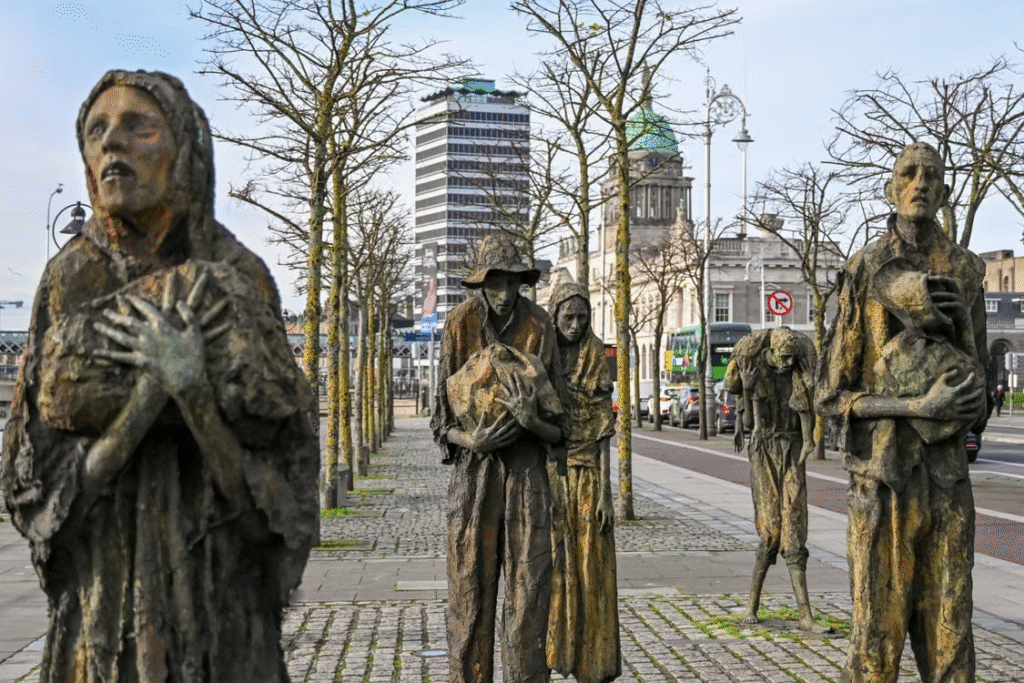
The Great Irish Famine, which began in 1845, transformed Ireland’s population and history. Repeated potato crop failures devastated communities that depended heavily on the crop for survival. Hunger, disease, poverty, and displacement forced countless families to leave their homes.
Between 1845 and 1855, approximately two million people emigrated from Ireland, many travelling to the United States and Canada.
However, reaching North America was far from straightforward.
Many emigrants travelled aboard vessels that became known as coffin ships because of their association with overcrowding, disease, inadequate sanitation, and high mortality rates.
Passengers often endured weeks at sea with limited food, poor ventilation, and insufficient medical attention.
For families researching their ancestors through genealogy services in Ireland, these journeys represent a significant turning point. Understanding the conditions of emigration can help explain why relatives left particular counties, where they travelled, and how Irish family histories became connected to communities overseas.
What Made the Jeanie Johnston Irish Famine Ship Different?
Built in Quebec, Canada, in 1847, the Jeanie Johnston was a three-masted sailing vessel associated with the Irish port of Tralee in County Kerry.
Unlike many emigrant ships of its time, the Jeanie Johnston became known for its unusually successful safety record.
Between 1848 and 1855, it completed 16 transatlantic emigrant voyages, carrying approximately 2,500 people to North America. Remarkably, historical accounts record no deaths among passengers or crew aboard the vessel during these crossings.
This achievement was particularly significant when outbreaks of infectious disease were common aboard emigrant vessels.
The ship’s reputation was closely connected to the leadership of Captain James Attridge and the medical care provided by Dr Richard Blennerhassett.
Their attention to the wellbeing of passengers helped distinguish the Jeanie Johnston from many other ships operating during the Famine era.
Captain James Attridge: Putting Passenger Safety First
Captain James Attridge played an essential role in establishing the Jeanie Johnston’s reputation.
At a time when some ship operators prioritised carrying as many passengers as possible, Attridge was associated with a more responsible approach to managing conditions aboard his vessel.
Maintaining order, ensuring passengers received appropriate provisions, and supporting sanitary conditions were important elements of a safer Atlantic crossing.
The journey remained challenging. Passengers still faced cramped accommodation, unpredictable weather, seasickness, and the emotional difficulty of leaving Ireland behind.
However, the Jeanie Johnston demonstrated that emigrant travel did not inevitably have to result in loss of life.
For visitors interested in Ireland historical tours, stories such as Captain Attridge’s provide a more personal understanding of the people who shaped Ireland’s maritime history.
Dr Richard Blennerhassett and His Remarkable Contribution
Another important figure in the Jeanie Johnston’s history was Dr Richard Blennerhassett, the ship’s surgeon.
Medical care was not consistently available aboard emigrant ships during the Famine years. Without adequate treatment, illnesses could spread quickly through crowded accommodation.
Dr Blennerhassett’s presence helped make medical attention an important part of the experience aboard the Jeanie Johnston.
He attended to passengers who became unwell and contributed to the ship’s efforts to maintain healthier conditions throughout its voyages.
One particularly memorable event occurred during an Atlantic crossing when a baby boy was born aboard the vessel.
The child, Nicholas Johnston Reilly, was named in recognition of the ship and its captain, adding another extraordinary chapter to the vessel’s history.
Such personal stories help bring historical events to life, revealing that behind emigration statistics were real families, individual experiences, and generations whose futures were shaped by these journeys.
Discovering the Jeanie Johnston in Dublin Today
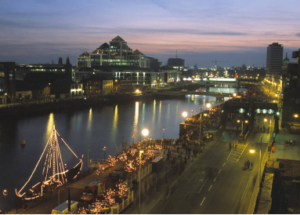
Today, visitors can explore a full-scale replica of the Jeanie Johnston at Custom House Quay in Dublin.
The original vessel was eventually lost at sea in 1858, although its crew survived after being rescued.
The modern replica serves as a floating museum, helping visitors understand what life was like for Irish emigrants travelling to North America during the nineteenth century.
Visitors can explore reconstructed passenger accommodation, learn about the ship’s voyages, and discover stories inspired by the experiences of those who travelled aboard.
For travellers planning Ireland cultural tours, the Jeanie Johnston offers an opportunity to connect with the country’s history beyond traditional landmarks.
It is also a meaningful stop for descendants of Irish emigrants who wish to understand the circumstances surrounding their ancestors’ departures.
How the Jeanie Johnston Connects to Irish Family History
The story of the Jeanie Johnston reflects a much larger history of Irish migration.
Families departed from ports across Ireland, leaving communities in counties such as Kerry, Cork, Clare, Galway, and Dublin, often with little certainty about whether they would ever return.
For descendants researching their roots, passenger records, historical newspapers, civil records, church registers, and local archives can provide valuable clues about these journeys.
Combining genealogical research with historical tours Ireland allows visitors to explore the locations connected to their ancestors’ lives.
From discovering an ancestral townland to visiting historic ports and family burial grounds, these experiences can transform names and dates into meaningful family stories.
The Jeanie Johnston remains a powerful reminder of the courage, uncertainty, and hope that accompanied Irish emigration.
Every Irish family has a story, and discovering yours can take you far beyond the pages of historical records.

At My Ireland Family Heritage, we bring genealogy research and heritage travel together under one roof. As a specialist genealogy research and tour company, our team includes qualified genealogists and tour guides who manage your experience in-house, from the initial family history investigation to your personalised journey through Ireland.
We offer genealogy services across the 32 counties of Ireland, alongside customised ancestral tours, cultural experiences, and self-drive itineraries. Whether your roots lead to Kerry, Cork, Dublin, Galway, Donegal, or Northern Ireland, we help you explore the places that shaped your family’s past.
Unlike services that outsource either the research or the travel experience, our integrated approach means you work with one dedicated company throughout your journey.
Your ancestors crossed oceans to begin new chapters. Now it’s your turn to discover where their stories began.
Contact My Ireland Family Heritage today to start researching your Irish ancestry and planning a personalised heritage experience.