
Fermanagh Genealogy Tours
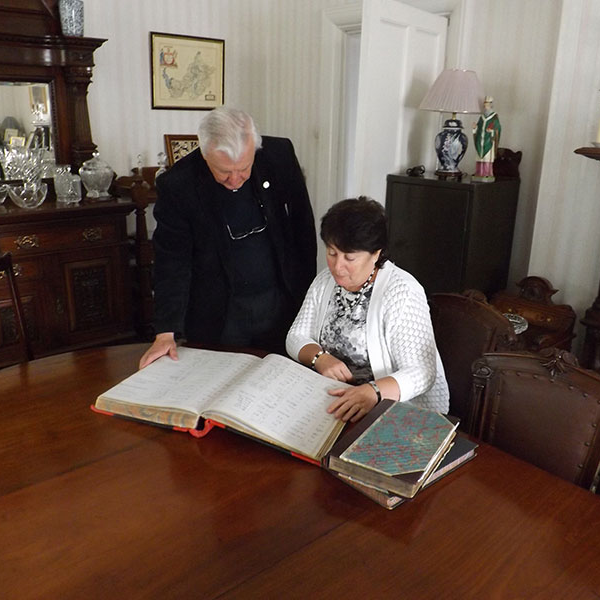
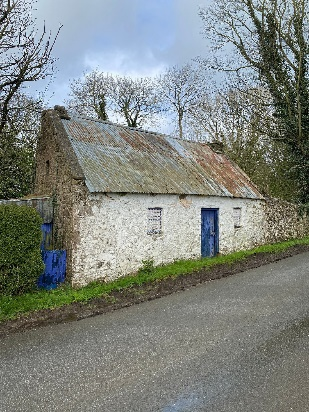
My Ireland Heritage find your Ancestors and exact house location from the 1700’s to the late 1800’s, and all available records in Ireland. We are an Irish family business dedicated to assisting you in your Irish Genealogy research for your roots and records of your family history of past generations in Fermanagh, as well as providing you with a once in a lifetime Irish Genealogy tour experience to visit your families original family house and Walk in the Footsteps of your Irish Ancestors.
Sean and the Team at My Ireland Heritage are a Government certified & approved Genealogy & Touring Company, and will personally guide you on the journey into your Irish ancestry to any County in Ireland.
Many companies are genealogy research only, many companies are touring companies only, we at My Ireland Family Heritage are proud to be able to encompass your research and tour together enabling us to work with you throughout the process to customize your tour with you and for you. To achieve a full genealogy tour experience consider adding one of our one-day historical tours.

Our Tours
Our Ancestral Townland Experience Tours
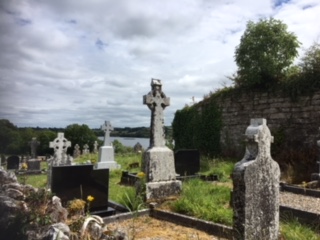
County Fermanagh is defined by water, Upper and Lower Lough Erne dominate the county, with old roads and parish boundaries often following the lakeshore rather than any straight line. For genealogy research, this geography matters: a family’s land might have sat on a peninsula or island now only reachable by a different route than in the 1800s, and parish churches were frequently sited for lakeside access rather than central convenience.
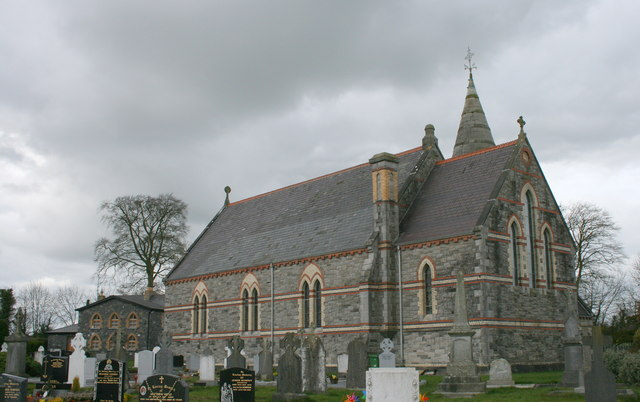
Fermanagh’s population was historically smaller and more dispersed than many other Ulster counties, and emigration thinned rural townlands significantly over the 19th and 20th centuries, particularly toward Canada and the United States. Its records include a strong Church of Ireland and Presbyterian presence alongside Catholic parishes, and we’ve learned through fieldwork exactly which lakeside communities used which church, since civil parish boundaries here can be misleading if taken at face value.
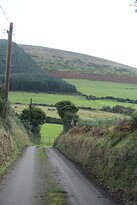
A tour through Fermanagh often involves travelling around the lough itself, through Enniskillen and out to the quieter shoreline townlands where so many family homesteads once stood. For descendants of Fermanagh emigrants, there’s something particularly powerful about seeing the lake and hills your ancestors would have looked out on every day, largely unchanged since they left.
- Fermanagh has 8 Baronies
- Fermanagh has 23 Civil Parishes
- Fermanagh has 3 Electoral Divisions
- Fermanagh has 1239 Townlands
- Fermanagh has 213 sub townlands
County Fermanagh is one of the six historic counties of Northern Ireland and also one of the thirty-two traditional counties of Ireland. The county covers an area of 1,691 km² (653 sq mi) and has a population of approximately 61,805. Enniskillen is the county town and largest in both size and population. Fermanagh is within the historic province of Ulster.
Fermanagh was a stronghold of the Maguire clan and Donn Carrach Maguire (died 1302) was the first of the chiefs of the Maguire dynasty. However, on the confiscation of lands Fermanagh was divided in similar manner to the other five counties among Scottish and English undertakers and native Irish. Chief families to benefit under the new settlement were the families of Cole, Blennerhasset, Butler, Hume, and Dunbar.
Fermanagh was made into a county by statute of Elizabeth I, but it was not until the time of the Plantation of Ulster that it was finally brought under civil government.
Family Dynasties 1500-1600 AD
- Irish – Maguire, O’Neill, McMahon
- Norman – None
- Scottish – None
- Viking – None
County Fermanagh – Things to do and may be possible to include within your Ancestral Townland Experience Tour
- Florence Court
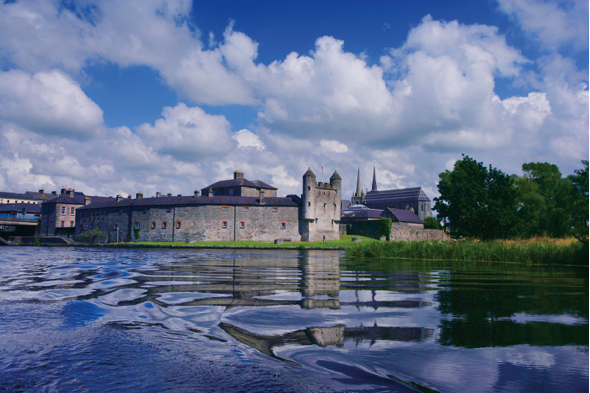
- Enniskillen Castle
- Belleek Pottery & Visitor Centre
- Castle Coole
- Railway Museum
- Sightseeing Tours
- Devenish Island
- Castle Archdale Country Park
- Lough Navar Forest Viewpoint
- Sheelin Antique Lace and Vintage Fashion
Frequently Asked Questions
Does Lough Erne make it harder to research family history in Fermanagh?
It adds a layer of complexity, since parish and townland boundaries often follow the shoreline, but it’s a factor we account for regularly and doesn’t prevent thorough research.
My ancestors may have lived on an island in Lough Erne, can you still research this?
Yes, several of the lough’s islands had settled communities with their own parish connections, and we can research and, where practical, include these in your tour.
Was emigration from Fermanagh mostly to Canada?
Canada was a common destination for many Fermanagh emigrants, particularly in the 19th century, though the United States and Australia also feature strongly depending on the family and period.