
For many people exploring their Irish roots, the question often arises: can family history be traced back before the Great Famine? While the 1840s mark a turning point in Irish history, the reality is that pre-Famine Irish genealogy is both possible and deeply rewarding, though it comes with unique challenges.
The destruction of records, changing administrative systems, and the passage of time have made early Irish research more complex. However, with the right approach and sources, it is still possible to uncover meaningful connections to ancestors who lived before one of Ireland’s most defining events.
Why Pre-Famine Research Is Challenging
Tracing ancestry before the famine presents difficulties that are not as common in later records. One of the most significant obstacles is the loss of documents, particularly during the 1922 Public Record Office fire in Dublin, which destroyed many census and legal records.
In addition, systematic civil registration of births, marriages, and deaths did not begin until the mid-19th century. This means researchers must rely on alternative sources when exploring pre-Famine Irish genealogy.
Another challenge is the widespread use of common surnames and the lack of detailed identifying information in early records. Without precise locations or family connections, it can be difficult to confirm whether a record relates to a specific individual.
The Importance of Land and Tax Records
Despite these challenges, a number of valuable records survive from the pre-Famine period. Land and tax documents are among the most important resources for early Irish research.
These records are central to pre-Famine Irish genealogy, helping researchers identify where families lived and how they interacted with the land.
In regions connected to County Cavan genealogy, for example, such documents can offer valuable insight into rural life and landholding patterns before the famine.
Estate Papers and Local Archives
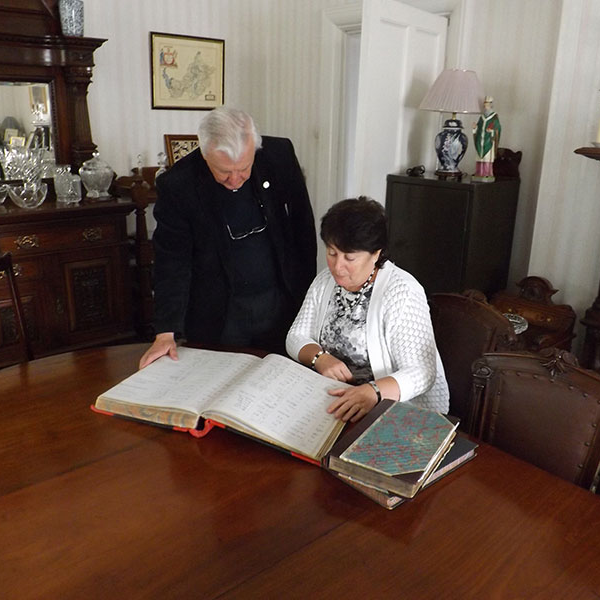
Estate records are another important resource for tracing early Irish ancestors. Many large estates kept detailed records of tenants, rents, and leases. These documents can include names, dates, and even personal details about families living on the land.
Estate papers are often held in local archives or private collections, making them less accessible but highly valuable. Accessing these materials may require specialised knowledge and local connections.
For those researching regions linked to County Donegal genealogy, estate records can provide a clearer picture of family life in remote or rural communities.
Parish Registers and Church Records
Church records are often the backbone of early Irish genealogy. Parish registers, particularly those of the Catholic Church, may include baptisms, marriages, and burials dating back to the 18th century or earlier.
However, the availability and quality of these records vary widely depending on the location. Some parishes maintained detailed registers, while others have gaps or missing years.
Combining parish data with other sources is essential for building accurate family histories. Through careful analysis and Irish genealogy research, it is often possible to connect individuals across generations, even with limited documentation.
Using Context to Strengthen Research
In pre-Famine research, context is just as important as records. Understanding the social, economic, and geographic conditions of the time can help fill in gaps and guide research efforts.
For example, knowing that certain surnames were concentrated in specific regions can help narrow the search. Exploring resources related to County Clare genealogy may reveal patterns of settlement, migration, and family connections that support documentary evidence.
Historical context also helps explain why families moved, how they lived, and what challenges they faced before the famine reshaped Irish society.
The Role of Professional Expertise
Given the complexities of early Irish research, many individuals choose to work with experts. Professionals specialising in genealogy services in Ireland have the experience and access needed to navigate fragmented records and uncover hidden connections.
They can identify relevant sources, interpret historical documents, and build accurate family trees based on evidence rather than assumptions. This approach is particularly important when dealing with pre-Famine Irish genealogy, where mistakes can easily occur without proper verification.
Is It Truly Possible?
While tracing pre-Famine ancestors requires patience and persistence, it is certainly possible. Success often depends on the availability of records, the uniqueness of the surname, and the level of detail already known about the family.
Even when complete family trees cannot be constructed, partial discoveries can still provide meaningful insights. Identifying a townland, confirming a family name in early records, or uncovering connections to a specific estate can bring history to life.
For many, the journey itself is just as valuable as the outcome. Exploring pre-Famine Irish genealogy offers a deeper understanding of Ireland’s past and the lives of those who came before.

Begin Tracing Your Pre-Famine Irish Family History Now
At My Ireland Family Heritage, we understand that tracing your roots before the famine requires expertise, patience, and careful research. Through our specialised Irish genealogy research, we help uncover the stories hidden within pre-Famine Irish genealogy and connect you with your earliest known ancestors.
We provide trusted genealogy services in Ireland, working with local archives, estate records, and parish documents to build accurate and meaningful family histories. We proudly offer our services across all 32 counties in Ireland, combining detailed research with personalised heritage touring experiences. Let us help you uncover your family’s story, even before the famine.