

County Tipperary is a place where family history can feel remarkably close. Old parish communities, market towns, rural townlands, historic churches and family burial grounds can all provide valuable clues about the generations who lived there before you. However, a successful ancestry-focused trip starts long before you arrive.
Good Tipperary family history research can help you identify the right locations, understand how your ancestors lived and plan a self-drive journey around places that genuinely connect with your family story. Rather than simply visiting well-known attractions, you can travel through the landscapes, villages and communities that formed part of your ancestors’ everyday lives.
Start With What Your Family Already Knows
Before searching Irish records, gather as much information as possible from your own family. Names, approximate birth dates, occupations, religious denominations, marriage details and stories about where relatives came from can provide valuable starting points.
Pay particular attention to place names. Knowing that an ancestor came from “Tipperary” is helpful, but County Tipperary covers a large area. Identifying a specific town, village, parish or, ideally, townland can dramatically improve your chances of locating meaningful records.
When tracing your Irish roots, also look closely at old letters, family Bibles, certificates, photographs, immigration documents, and gravestones in the country where your ancestors later settled. These sources can sometimes preserve an Irish place name that has been forgotten by later generations.
Explore Civil and Church Records
Civil registration records can provide important information about births, marriages and deaths. These records may reveal parents’ names, occupations, residences and other details that help distinguish one family from another.
Church records are equally important, particularly when researching generations that lived before comprehensive civil registration. Baptismal and marriage registers from Roman Catholic, Church of Ireland and other congregations may help establish family relationships and connect individuals with particular parishes.
Spelling deserves special attention. Irish surnames and place names may appear in several forms across historical records. A family surname might be written differently by a priest, registrar or census enumerator, so searching alternative spellings can uncover records that would otherwise be missed.
Use Census and Land-Based Sources
The surviving 1901 and 1911 Irish census records are especially useful for Tipperary family history research. They can show who was living in a household, their ages, relationships, occupations, religions and places of birth.
These details can help build a picture of family life while also identifying neighbours and relatives who lived nearby.
Earlier land and taxation records, including the Tithe Applotment Books, can also provide useful evidence of families connected with particular areas. Historical maps are another valuable resource, particularly once you have identified a townland. Comparing old maps with modern roads can help determine where homes, churches, schools and other community landmarks once stood.
Identify the Exact Ancestral Location
One of the most rewarding outcomes of genealogy research is discovering precisely where an ancestor lived.
Irish geography can initially seem complicated because records may refer to counties, civil parishes, Catholic parishes, baronies, poor law unions, and townlands. Understanding these geographical divisions before travelling can make your visit considerably more productive.
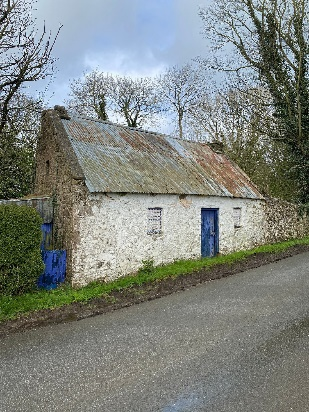
County Tipperary also contains numerous historic communities where neighbouring families remained connected for generations. Once you identify a townland, examining nearby surnames, churches, cemeteries and adjoining townlands may uncover additional branches of your family.
The goal is to move from a broad family tradition such as “our family came from Tipperary” towards a much more specific location that you can actually visit.
Research Local Archives, Libraries and Graveyards
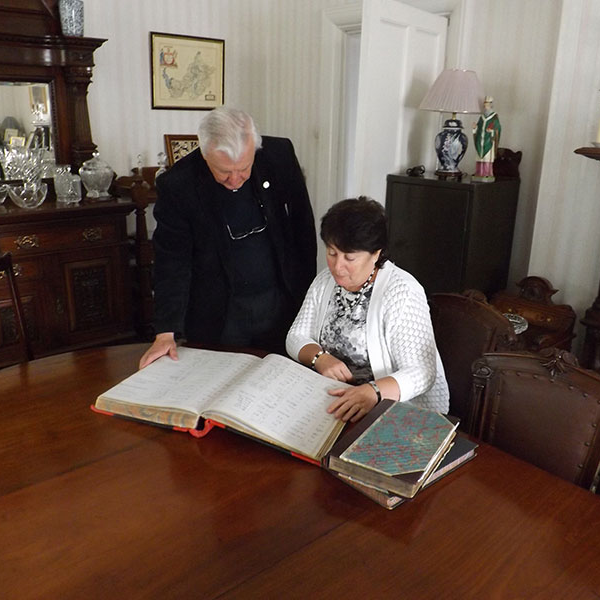
Local resources can add another dimension to your research. Libraries, heritage centres, historical societies, parish communities and graveyards may preserve information that helps place your ancestors within their local environment.
Before travelling, make a list of relevant churches, cemeteries, and heritage resources connected to the ancestral area. Opening hours and access arrangements can vary, so planning ahead helps you make better use of your time.
Cemetery research can be particularly meaningful. Even where an ancestor’s own headstone does not survive, neighbouring graves may contain familiar surnames or relatives from later generations.
Let Your Research Shape Your Self-Drive Route
Genealogy findings can transform a general holiday into a deeply personal journey.
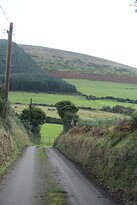
Rather than following a standard itinerary, your route might connect an ancestral townland with a parish church, cemetery, nearby market town, and historic landscape. You could drive roads your family may once have travelled and spend time understanding the surrounding countryside.
This personal approach is what separates ancestry travel from more conventional history tours of Ireland. While traditional Ireland cultural tours introduce travellers to national heritage and famous destinations, genealogy-led travel allows you to experience Irish history through your own family story.
A self-drive journey is especially useful because many ancestral locations are found outside major tourist centres. Having the freedom to stop in smaller villages, rural communities and local graveyards allows your research to guide the experience.
Look Beyond Names and Dates
Family history becomes far richer when you explore the circumstances surrounding your ancestors.
Ask what occupations were common in their area. Consider the local industries, farming traditions, religious communities and historical events that shaped everyday life. Research nearby schools, estates, churches and market towns.
These details may not necessarily identify another generation, but they help turn a genealogy chart into a human story. When you eventually arrive in Tipperary, you are not simply viewing names on documents. You are exploring the environment in which those people lived.
Strong Tipperary family history research gives you more than a list of ancestors. It can provide a roadmap for experiencing the places connected with your heritage and understanding your family within the wider history of Ireland.
If you are looking for professional genealogy research, look no further than My Ireland Family Heritage.
Our team combines detailed family history research with personalised travel experiences, including one-day family heritage tours across all 32 counties of Ireland, as well as comprehensive genealogy tours, family history tours, and cultural tours.
With a strong focus on helping visitors uncover meaningful ancestral connections, My Ireland Family Heritage can help turn your research into an unforgettable journey through the places your family once called home.
Reach out to us today to learn more about our family history tours.