
When it comes to tracing your roots, Irish county genealogy is far more than a simple search through names and dates. Each county in Ireland carries a distinct historical identity shaped by land ownership systems, industries, religion, and migration patterns. Understanding these regional differences is essential for uncovering the true story behind your ancestors.
Whether you’re beginning your journey into Irish ancestry research or expanding existing records, recognising how geography influenced lives can unlock details that standard searches often miss. From coastal fishing communities in the west to agricultural heartlands in the midlands, every county tells a different story—and that story directly impacts how records were created, preserved, or lost.
In this guide, we explore how regional history shapes genealogy in Ireland and why a county-by-county approach is key to meaningful discoveries.

The Role of Land and Ownership in Irish Genealogy
One of the most defining aspects of genealogy in Ireland is the historical land system. Unlike many other countries, Ireland’s land ownership structure was heavily influenced by British rule, particularly from the 17th century onwards.
Landlords, Tenants, and Records
In many counties, especially in the west, such as those associated with County Mayo genealogy, most people were tenant farmers rather than landowners. This meant fewer personal records and more reliance on landlord estate documents.
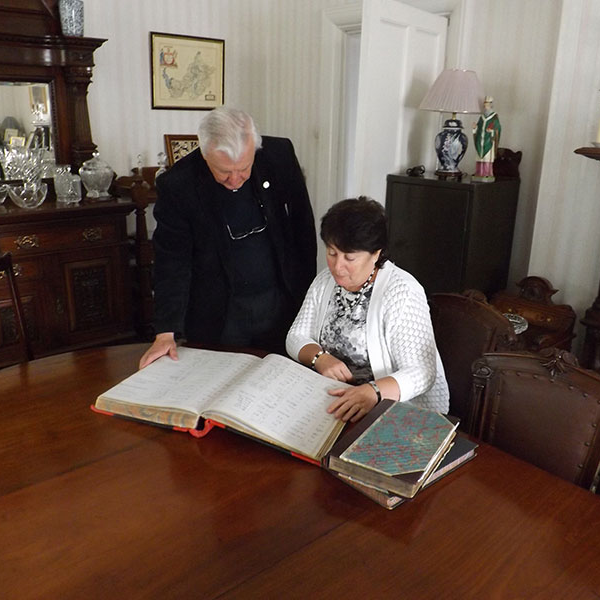
Estate records—rent rolls, leases, and tenant lists—often serve as crucial substitutes for missing census data. These are particularly useful when conducting Irish genealogy research in areas where official records were destroyed or never kept.
Regional Variations
In eastern counties like those relevant to County Meath genealogy, land was often more fertile and estates more structured, leading to better documentation.
In contrast, western counties relied heavily on oral traditions and informal agreements, leaving gaps in written records.
Understanding these differences helps you know where to look—and what to expect—when researching your lineage.
Religion and Parish Records Across Counties
Religion played a central role in Irish life, and parish records are often the backbone of genealogical research. However, availability and quality vary significantly by county.
Catholic vs Protestant Records
- In predominantly Catholic counties like those associated with Clare, Ireland genealogy, parish registers may begin later (often early 19th century).
- In areas with stronger Protestant populations, records—especially Church of Ireland—may date back further.
Northern vs Southern Counties
In Northern Ireland genealogy, records are often better preserved due to differences in administration and archival practices. Counties like those tied to County Monaghan genealogy and County Cavan genealogy can offer a mix of both Northern and Republic record styles, making them particularly interesting for researchers.
Migration Patterns: Following the Irish Diaspora
Migration is one of the most defining aspects of Irish history, especially during and after the Great Famine (1845–1852). However, migration trends varied widely by county.
High Emigration Counties
Counties like Mayo, Donegal, and Galway experienced significant population loss. When researching County Donegal genealogy resources or Mayo family genealogy, you’ll often find that:
- Entire families emigrated together
- Records may abruptly stop in Ireland and continue abroad
Localised Migration
In eastern counties, including those tied to County Meath genealogy, migration was sometimes more local—moving to nearby towns or cities rather than abroad. This creates a different research path, often within national boundaries.
County-Specific Challenges and Opportunities
Each of the 32 Irish counties presents its own set of challenges—and opportunities—for genealogists.
Donegal: Remote but Rich in Culture
Researching County Donegal genealogy can be challenging due to its remote location and historical isolation. However, strong cultural traditions and surviving local records can offer unique insights.
Using targeted Donegal genealogy resources can help uncover family connections that might not appear in broader databases.
Clare: Strong Parish Networks
With County Clare genealogy, parish records, and local histories are particularly valuable. Community ties remained strong, and this often translates into more consistent documentation.
Cavan and Monaghan: Border Complexities
Counties like those associated with County Cavan genealogy and County Monaghan genealogy straddle historical and political boundaries. This means records may be split across jurisdictions, requiring a more flexible research approach.
Tools and Resources for County-Based Research
To navigate these regional differences effectively, it’s essential to use the right tools. Today, many of the best genealogy sites in Ireland offer county-specific filters and archives.
What to Look For
- County-specific databases
- Parish-level search tools
- Estate and land record collections
Working with professional genealogy services in Ireland can also help, especially when dealing with fragmented or complex records.
Why a County-by-County Approach Works
A general search may give you names, but a county-focused approach gives you context. By understanding how history shaped each region, you can:
- Identify the most relevant records
- Avoid common research dead ends
- Build a richer, more accurate family narrative
Whether you’re exploring Northern Ireland genealogy or diving into Tipperary family history research, the key is to let the county guide your strategy.
Case Studies: How County History Changes the Outcome of Your Research
To fully appreciate the importance of Irish county genealogy, it helps to look at how research strategies differ depending on where your ancestors lived. Two families from neighbouring counties may appear similar on the surface, yet their records—and the stories behind them—can be entirely different.
A Western Story: Mayo and the Legacy of Emigration
When exploring Mayo family genealogy or broader County Mayo genealogy, researchers often encounter gaps in local records after the mid-19th century. This is largely due to mass emigration during and after the Great Famine.
In many cases, the key to success lies in tracing outward rather than inward. Passenger lists, overseas census records, and settlement documents become just as important as Irish sources. For families from Mayo, your story may be split between Ireland and countries such as the United States or Australia.
This is where a deeper understanding of Irish ancestry research proves invaluable—linking fragmented records into a cohesive narrative.
An Ulster Perspective: Industry and Documentation
In contrast, those researching Northern Ireland genealogy often benefit from more consistent record-keeping. Counties influenced by industrial growth, such as those involved in Northern Ireland genealogy research, produced employment and residential records that can supplement church and census data. Many records were destroyed during the Irish Civil War so working with My Ireland Family Heritage can help uncover certified facts to assist you on your quest into your family history.
Working with My Ireland Family Heritage as your genealogist in Northern Ireland can help uncover these less obvious sources, particularly when tracing ancestors connected to trades or urban life.
Practical Steps for County-Focused Irish Genealogy Research
Understanding regional history is only part of the journey. Applying that knowledge effectively is what leads to meaningful discoveries.
Start with What You Know
Begin with verified family information—names, approximate dates, and any known locations. Even a single county reference, such as County Meath genealogy, can significantly narrow your search.
Identify Key Record Types by County
Each county has its own strengths when it comes to records:
- For County Clare genealogy, parish registersand local histories are often rich sources
- For County Donegal genealogy, estate papers and local archives may hold the key
- For County Cavan genealogyand County Monaghan genealogy, be prepared to explore both Northern and Republic archives
Matching your research approach to the county’s historical context is essential.
Use Specialised Databases
Many of the best genealogy sites in Ireland allow you to filter by county, parish, or even townland. This level of detail is crucial when dealing with common surnames or incomplete records.
These platforms can also connect you with digitised materials that were once only accessible in person, making genealogy in Ireland more accessible than ever before.
The Importance of Local Knowledge in Irish Genealogy
While online tools and databases are incredibly useful, there is no substitute for local expertise. Understanding the nuances of a specific county can make all the difference.
Community and Oral Histories
In many parts of Ireland, particularly rural counties, oral traditions have preserved family histories that never made it into official records. This is especially true in regions tied to Tipperary family history research and Clare, Ireland genealogy.
Local historians and community archives can provide context that transforms basic data into a meaningful story.
On-the-Ground Research
Visiting ancestral locations can also reveal details that are not captured in written records. From gravestones to local landmarks, these physical connections bring your research to life.
This is why combining Irish genealogy research with heritage travel has become an increasingly popular approach.

Connecting Counties to the Bigger Picture
Although each county has its own identity, they are all part of Ireland’s broader historical narrative. Migration, industry, and cultural change often link regions together.
For example:
- Families from County Donegal genealogymay have connections to Scotland due to geographic proximity
- Those researching County Meath genealogymay uncover ties to Dublin’s urban development
- Individuals exploring County Galway genealogy from Brisbanemay trace direct migration routes to Australia
By viewing your research through both a local and national lens, you gain a deeper understanding of your family’s journey.
Turning Research into a Living Story
The ultimate goal of Irish county genealogy is not just to collect records, but to tell a story. Each document, location, and historical detail adds another layer to your understanding of the past.
When you combine:
- Regional history
- County-specific records
- Migration patterns
- Personal narratives
—You create a rich, multidimensional picture of your heritage.
This approach transforms genealogy from a simple search into a meaningful exploration of identity, culture, and connection.
Discover Your Irish Roots with Us
At My Ireland Family Heritage, we believe every family story deserves to be uncovered and celebrated. Through our expert genealogy services in Ireland, we guide you step by step, helping you navigate the complexities of Irish county genealogy with confidence and clarity.
We specialise in Irish ancestry research, offering personalised support that goes beyond online databases. Whether your roots lie in County Mayo genealogy, County Donegal genealogy, or Northern Ireland genealogy, we bring local knowledge and professional expertise to every search.
But we don’t stop at records. Our heritage touring experiences allow you to walk in your ancestors’ footsteps, visit ancestral towns, and connect with Ireland in a deeply personal way. From parish visits to historic landscapes, we help turn your research into a living journey.
We proudly offer our services across all 32 counties in Ireland, ensuring that no matter where your story begins, we are here to help you uncover it. Get in touch with us.
FAQs
- Why is Irish county genealogy important for family research?
Irish county genealogy helps narrow your search by focusing on regional records, traditions, and historical influences. Each county has unique documentation, migration patterns, and industries, which directly affect how and where your ancestors’ records are stored and preserved over time.
- What are the best resources for Irish genealogy research?
The best genealogy sites Ireland offers include county-specific archives, parish registers, and land valuation records. Combining these with local libraries, estate papers, and professional genealogy services in Ireland can significantly improve your research results and accuracy.
- How does Northern Ireland genealogy differ from the Republic?
Northern Ireland genealogy often benefits from more consistent record-keeping and industrial documentation. In contrast, some Republic counties rely more on parish and land records. Understanding these differences helps tailor your research strategy for better outcomes.
- What should I do if I cannot find records in a specific county?
If records are missing, explore alternative sources such as estate papers, church archives, and migration records. Counties like those in Donegal genealogy resources often require creative approaches, including tracing ancestors through overseas documentation.
- Can I visit locations connected to my Irish ancestors?
Yes, heritage travel is a valuable part of genealogy in Ireland. Visiting ancestral towns, churches, and landscapes provides context and emotional connection, helping you better understand your family’s history beyond written records.