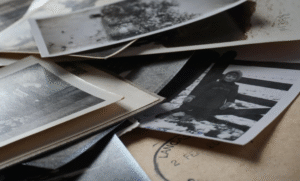
A grayscale photograph of an Irish family.

Following the River Home: Ireland’s Waterways and Family Migration

Across centuries, the rivers, lakes, and coastlines of Ireland have carried individuals, families, and entire communities toward new beginnings. Understanding Irish migration routes offers powerful insight into how ancestors lived, travelled, and ultimately left their homelands. Today, these same waterways guide heritage travellers back to the places where family stories first began.

Rivers as Lifelines of Early Movement

Before modern roads and railways, rivers shaped the social and economic geography of Ireland. Waterways such as the Boyne, Bann, and Shannon served as vital channels for trade, work, and relocation. They also formed early boundaries between the Celtic tribes in Ireland, influencing settlement patterns long before mass migration began.

For those tracing genealogy in Ireland, rivers often explain why families appear in surprising locations across time. A farmer from Meath might appear decades later in a Galway parish record; river transport frequently facilitated these internal movements.

From Inland Waterways to Ireland’s Port Towns

As economic pressures, land changes, and political upheaval reshaped rural life, many families drifted downstream toward coastal ports. These towns became launch points for global journeys, and they remain essential to heritage researchers today.

Travellers tracing ancestors from Ulster often explore the northern ports that connect with Northern Ireland genealogy research, especially for those seeking County Tyrone genealogy or families linked to maritime labour. Similarly, Limerick and Clare’s estuaries are central to those investigating County Clare genealogy resources, where river access shaped both local livelihoods and outward migration.

County Clues Hidden in Waterways

Understanding the counties linked to rivers can greatly enhance research accuracy. For example:

  • The River Boyne provides valuable context for County Meath genealogy, where families frequently moved to nearby mill towns.
  • The Shannon corridor holds insights for those studying County Cavan genealogy, as Cavan’s lakes formed historic migration pathways.
  • Western families who migrated toward agricultural or maritime work often appear in records related to County Mayo genealogy, revealing how waterways fed into port labour.
  • The River Barrow and its surrounding communities hold key leads for those undertaking Tipperary family history research, especially connected to milling and river trade.

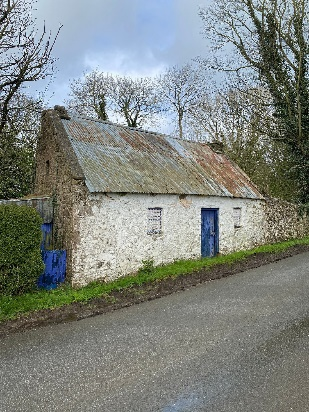
Photographs used for Irish genealogy research.

Walk The Riverbanks Where History, Movement, and Ancestry First Intertwined

At My Ireland Family Heritage, we bring your ancestral journeys to life through expert genealogy research in Ireland and personalised heritage tours across all 32 counties of Ireland.

Whether you’re exploring waterways linked to County Mayo genealogy, uncovering coastal records connected to Northern Ireland genealogy research, or planning an ancestral tour of Ireland, we craft meaningful experiences grounded in authentic research.

Contact us today and let us help you follow your ancestors’ migration routes home.

Scroll to Top

Customised Genealogy & Historical Tour

Review of My Ireland Heritage Tours Presented on Trip adviser Oct 2024 By • Family TomBarron2013 New York City, NY2

Once in a lifetime experience

Oct 2024 • Family

We highly recommend My Ireland Heritage for anyone who wants to learn and be guided to their Irish “roots” and much, much more. Sean Quinn and Ian Darragh of My Ireland Family Heritage have deep knowledge or the areas we wanted to visit in Meath, Sligo and Kilkenny. While we knew about one side of the family history back to 1690, there was nothing known about the other that arrived in the US in the 1870s.

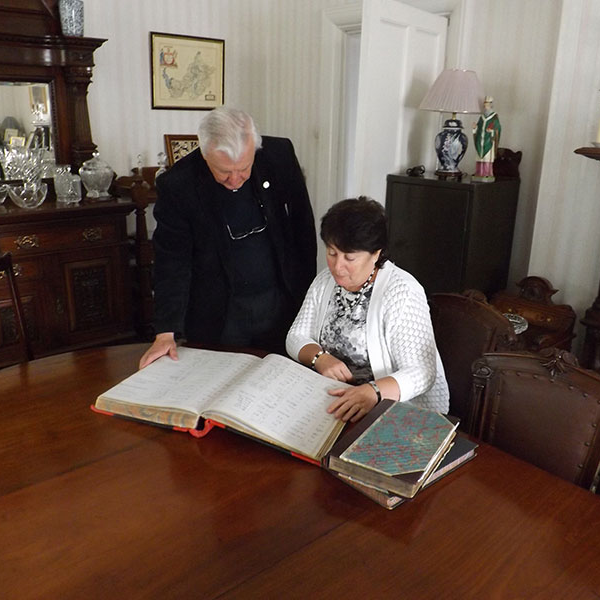
Ian, Sean, and Nicola did thorough research on our localities and locations from which our ancestors left for America in 1849 and later. In addition, Ian and Sean did separate day-long “recons” in advance of our time with them, seeking out local people and the specific properties with maps and whatever records still available. Their results were absolutely outstanding! In both our cases, they found and took us to our still-existing cottages and shops from the early 1820s.

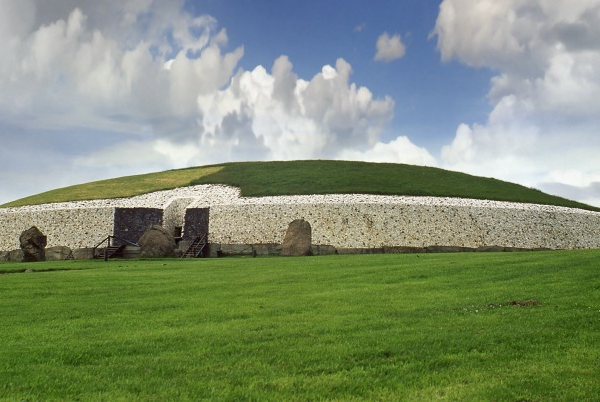
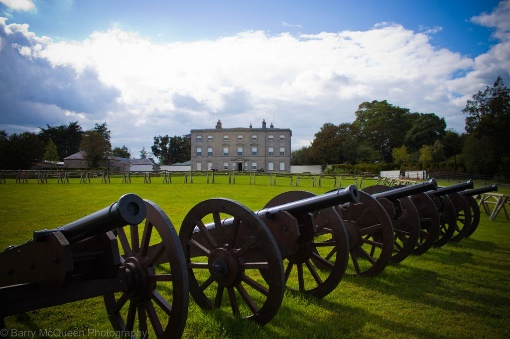
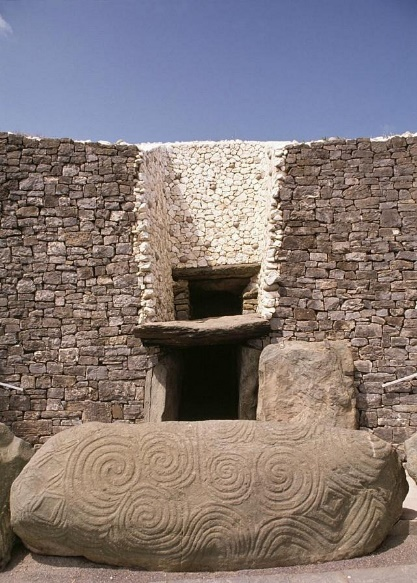
It was so enjoyable to be with Ian for three days and for a special day with Sean. Whether it was the Newgrange World Heritage sites 5,500 years old , the Battle of the Boyne 1690 , or the local cemeteries and churches of our ancestors. Ian was especially attentive to my wife throughout the travels after she twisted her ankle in a rain-soaked old cemetery.

Throughout the process of trip preparation over months to giving us the final, wonderful books of Meath and Sligo, Aisling was highly professional and responsive with all the many details. The bound books she prepared are treasures! Thanks to all for truly exceptional experiences.

Newgrange World Unesco Site 5500 years old
Battle of the Boyne 1690 AD
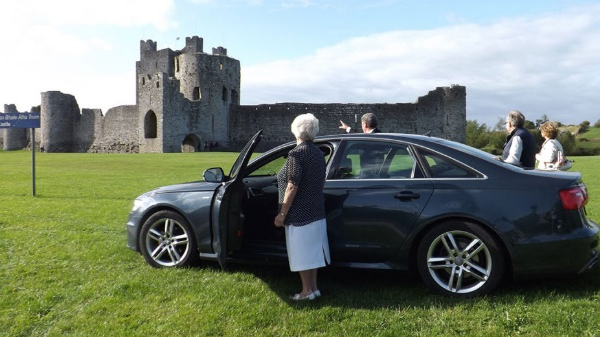
Customised Historical Tours Trim Castle
Entrance stone at Newgrange

Self Drive Product

Review of My Ireland Heritage Tours Presented on Trip adviser by Shelley L @ sjlively

Exceptional in every way!

Over the last few months of preparing for our trip, every single detail was meticulously attended, not only professionally, but helpfully, and in such a friendly manner, that I felt as if I knew Sean, Aisling and Ian before I even stepped off the plane.

The amount of work these wonderful people put into our personal history is mindboggling. My mother was an avid amateur genealogist, and had worked for decades to bring to light the trail our family took, but our resources are limited.

Sean knows exactly where to look, and was able to fill in so many gaps that had eluded us for generations. Some of the information he found, unbeknownst even to him, actually solidified the findings we had amassed over the years. Ours was a family in coal mining – I only found on our tour that they had originated from a mining area, and their arrival on the  border coincided exactly with the decline in the mining industry in County Wicklow.

I would have been overjoyed simply with the knowledge of why they left when they did, about 12 years before the famine. Breaking through our brick wall of great grandparents even farther back on the family tree was a dream come true, but to be able to set foot on not only the area they lived, and find that the house is still there was overwhelming. Seeing the family church and cemetery where our ancestors and extended family still rest is a truly moving experience.

The care taken by this company in each and every aspect of the journey cannot be overstated. Only about 2 weeks prior to my trip, Sean contacted me to let me know that he had also stumbled across some of my husband’s family name in the process and included them as well in his research. How often can anyone say that they not only got what they paid for, but more than they ever imagined? I can say that. They were even kind enough to answer a few follow-up questions after my return home, as I was so stunned on my tour with Ian that I didn’t think ask at the time.If you have the opportunity to make the trip to Ireland, contact My Ireland Family Heritage before you go.

If your family was there, Sean will go above and beyond to find them. Even without family, contact them anyway. Ian is a walking encyclopedia of history, and so fun to talk to. Aisling will make sure every “I” is dotted, and every “T” is crossed.  Thank you so much for the trip of a lifetime, and the opportunity to pass on everything we have discovered to future generations

The Consultation at Hotel / Office or by Phone opens all doors
Genealogy gets you off the Beaten Track to see the Real Ireland

Unique to Every Address with My Ireland Family Research