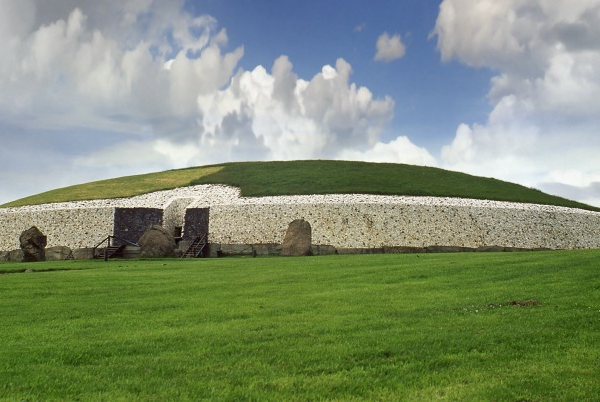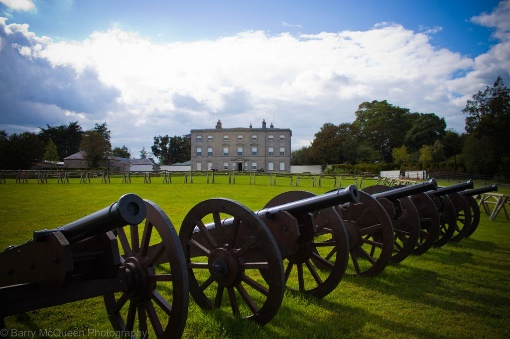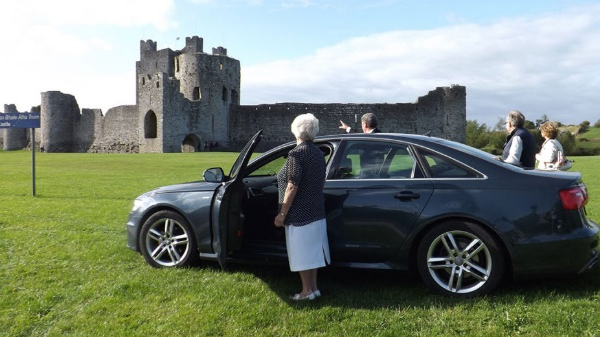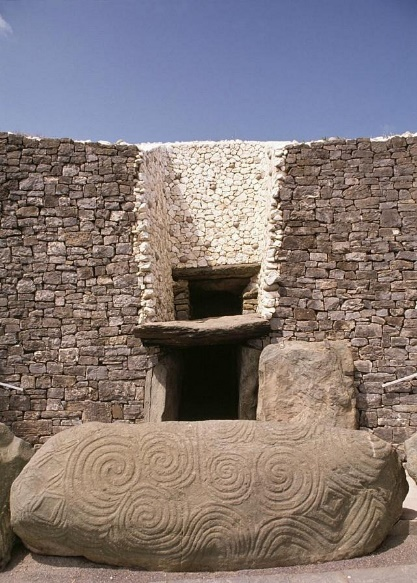


Tracing family history often begins with names and dates, but it becomes truly meaningful when those records lead to real landscapes. Irish genealogy records bridge the gap between archived documents and physical places, allowing descendants to walk the same roads, see the same fields, and stand before the stone walls their ancestors once knew.
Turning Paper Trails Into Physical Places
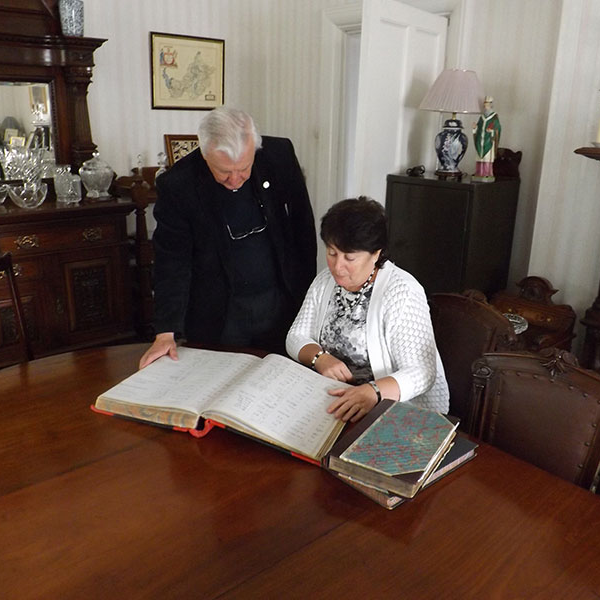
Census returns, parish registers, and other essential records provide more than biographical details. When interpreted correctly, they reveal townlands, neighboring families, and land boundaries. These clues allow researchers to pinpoint where an ancestor lived, worked, and worshipped. What begins as a line in a ledger can ultimately guide visitors to a farmhouse ruin, a village crossroads, or a family burial plot.
The Role of Census and Parish Records
Irish census fragments and parish registers form the backbone of genealogical discovery. They identify household structures, occupations, and movements over time. Combined with ancestry research, these records help reconstruct daily life and social connections. Parish boundaries, in particular, often determine which churchyard or chapel your ancestors attended, turning abstract family trees into mapped communities.
Land Records and the Landscape of Memory
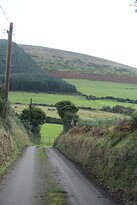
Estate maps and land records are especially powerful tools. They link individuals directly to plots of land, many of which are still identifiable today. Stone walls, field lines, and laneways frequently remain unchanged, offering tangible proof of continuity. These insights often shape tailored Ireland history tours that focus on ancestral landscapes rather than general sightseeing.
Context Through History
Understanding why families lived where they did requires historical context. Events such as the Irish potato famine emigration reshaped communities, forcing families from marginal land or crowded townlands. Visiting former workhouse sites or emigration points adds emotional depth to research, helping descendants understand not just where ancestors lived, but why they left.
From Records to Guided Heritage Journeys
Genealogical findings become most powerful when paired with guided travel. Custom itineraries connect records to locations, transforming research into immersive experiences. Many visitors combine documentation with Irish ancestry and genealogy tours, allowing them to explore ancestral farms, local archives, and nearby landmarks in a meaningful sequence.
Why Place Matters in Family History
Standing in the physical spaces tied to family records creates a sense of belonging that documents alone cannot provide. It reinforces identity, continuity, and connection across generations. Carefully researched routes often overlap with historical tours in Ireland, enriching the journey with broader cultural understanding while keeping personal heritage at the centre.
Bringing Records to Life
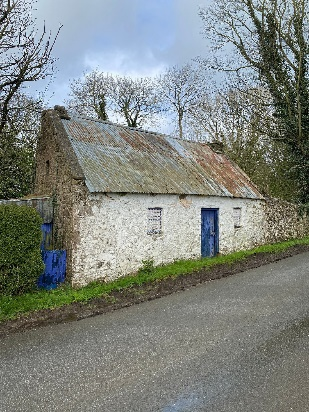
Genealogy is not just about the past; it is about presence. When records guide visitors to stone walls, village ruins, and graveyards, history becomes personal and lived. These moments turn research into remembrance and travel into connection.

Trust My Ireland Family Heritage for Accurate Irish Genealogy Research
At My Ireland Family Heritage, we transform Irish genealogy records into unforgettable journeys across all 32 counties in Ireland. We combine expert genealogy research in Ireland and personalised family tours of Ireland to connect records with real places.
Through carefully planned Ireland history tours, we help families walk ancestral land, visit historic communities, and experience Ireland with purpose, insight, and lasting meaning.
Get in touch with us to start today.