

Planning Irish heritage tours in 2026 is becoming a priority for descendants eager to turn digital research into a real journey across the landscapes their families once called home. With more archives being digitised, new cultural events scheduled for 2026, and expanding support for personalised heritage travel, this is the perfect moment to begin shaping a trip built around your ancestry.
Whether your Irish roots trace back to rural farmland, old port towns, or ancient clan territories, the key to an unforgettable journey is careful, research-driven preparation.
1. Begin with Solid Genealogy Foundations
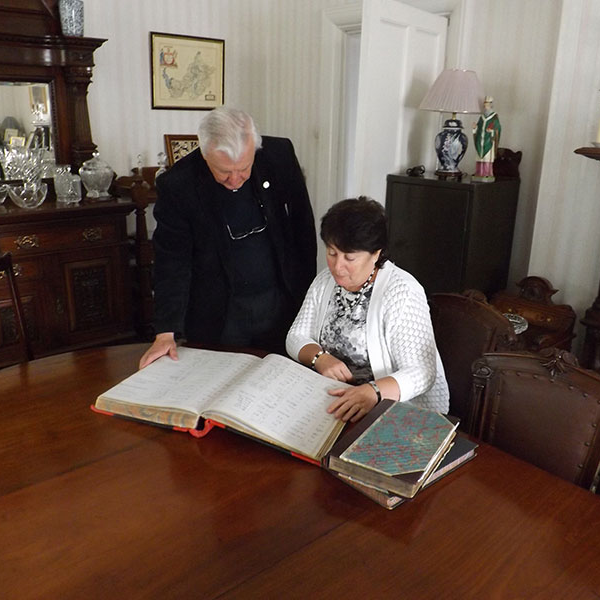
Start by gathering every piece of information available at home—birth certificates, marriage records, letters, photographs, or oral stories. These details guide your search as you collaborate with a genealogy research service in Ireland, which will use census returns, parish registers, and land valuations to help refine your ancestral locations.
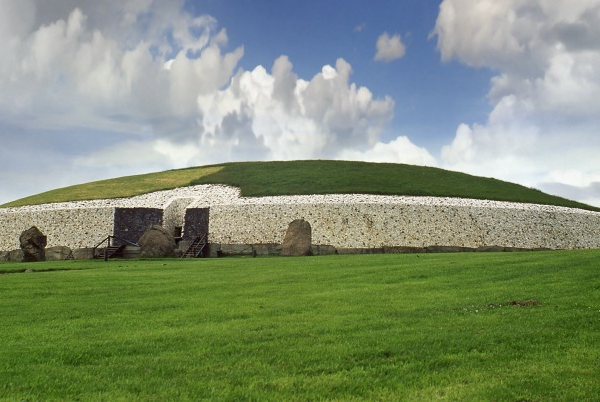
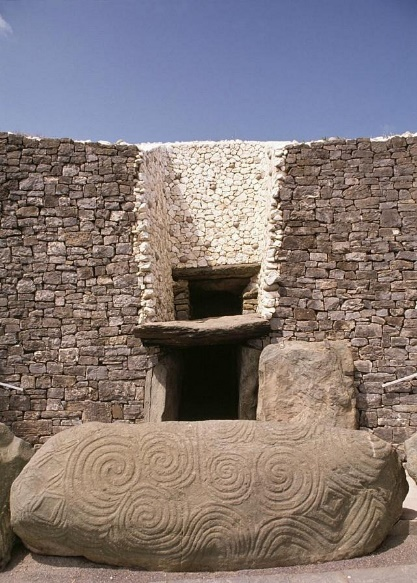
If your ancestors came from the Boyne Valley region, exploring County Meath genealogy records can point you towards specific townlands and historical parish boundaries. Meanwhile, those with origins in the northwest often benefit from reviewing Donegal genealogy resources, which provide insight into unique local naming patterns and coastal settlement histories.
2. Identify the Counties That Shaped Your Family Story
Once key names and dates are established, narrow your focus to the counties and parishes tied to your ancestry. Tracing rural farming families might lead you deep into County Cavan genealogy, where estate maps and Griffith’s Valuation entries often reveal old homestead locations.
If your lineage has Ulster connections, investigating County Tyrone genealogy can open doors to church registers, migration histories, and Presbyterian community settlements. For those with roots along Ireland’s western coastline, County Mayo genealogy and local Mayo family genealogy collections are essential for uncovering townlands that still mirror the landscapes your ancestors would have known.
3. Use Regional Clues to Build a Personalised Travel Route
Heritage travel becomes meaningful when your itinerary mirrors your family’s journey. At My Ireland Family Heritage, we begin with local archives or heritage centres, then follow rural lanes, coastal walkways, or ancient monastic routes that align with our findings.
If our research touches on the traditions of Ireland’s early peoples, exploring themes linked to the Celtic tribes in Ireland can help deepen your understanding of cultural identity and regional heritage. Conversely, for descendants with immigration-era ties, we can explore emigration points—where family histories began to shift overseas.
4. Connect Research with On-the-Ground Experiences
The most powerful genealogical journeys combine factual discovery with lived experience. Walking through ancestral graveyards, stepping inside parish churches, and exploring museums make records feel alive. For some families, this may also involve retracing diaspora connections which link overseas communities back to Irish parishes.

Turn Research into Real-Life Discoveries with My Ireland Family Heritage
At My Ireland Family Heritage, we turn research into deeply personal journeys across all 32 counties of Ireland. Our team offers expert genealogy research in Ireland, guiding you through discoveries shaped by insights from a vast archive of exclusive records and local connections.
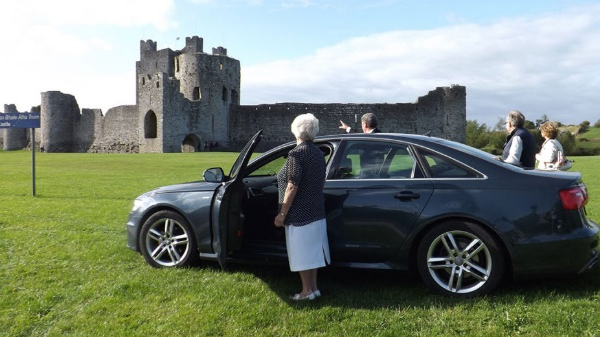
Whether you’re following parish clues, exploring historical landscapes with a tailored self-drive itinerary, or retracing emigrant footsteps, our heritage touring services bring your family story to life. With tailored itineraries, access to trusted genealogy services in Ireland, and award-winning guidance, we ensure your 2026 adventure is meaningful, authentic, and unforgettable.
Get in touch with us today.