


Emigration during the Great Famine was one of the most significant events in Irish history, altering the course of countless family lineages.
Between 1845 and 1852, the devastating potato blight led to mass starvation, economic collapse, and an unprecedented wave of migration. For many families, this period marked the beginning of life in faraway lands such as the United States, Canada, and Australia. Today, tracing those who departed during the famine years offers a deeply personal connection to resilience, survival, and heritage.
The Scale of the Exodus
The Great Famine saw over a million people emigrate, often leaving behind everything they knew. Passenger lists from this era reveal names tied to rural communities, especially in counties hit hardest by crop failure.
For example, Mayo family genealogy research often uncovers records of entire households sailing to North America, while County Meath Ireland genealogy archives may show smaller, skilled family units seeking work in growing industrial cities abroad.
Why People Left
While starvation was the main driver, emigration also stemmed from eviction, high rents, and socio-political unrest. In some cases, assisted emigration schemes funded passage for tenants, while in others, families pooled resources to send one member abroad in hopes of financial support from remittances.
Genealogy research in Ireland can reveal whether your ancestors fled hardship immediately or managed to endure before eventually leaving in later years.
Tracing Famine-Era Ancestors
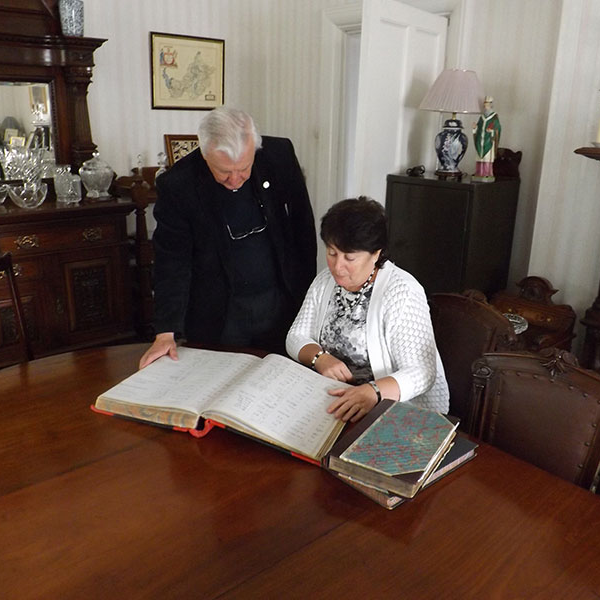
Finding records from the 1840s requires patience and expertise. Parish registers, land valuation surveys, and shipping manifests are invaluable tools. For those with roots in Ulster, Northern Ireland genealogy research may uncover links to emigrants who boarded ships in Belfast or Derry.
Professional genealogists can piece together fragmented documents, helping you trace an ancestor’s journey from their home parish to their port of departure and beyond. This kind of work transforms abstract history into a vivid personal narrative.
Sites of Memory
Heritage tours can bring famine history to life, allowing descendants to visit memorials, deserted villages, and famine workhouses. These sites serve as poignant reminders of the endurance and sacrifice behind each emigration story.
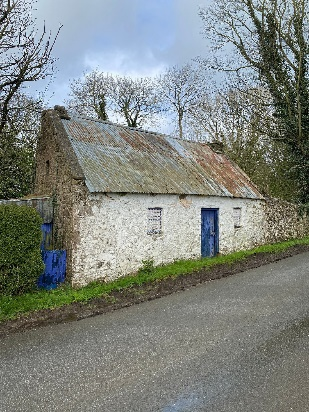
From the abandoned stone cottages of County Galway to the solemn National Famine Museum in Roscommon, these locations offer a tangible link to the struggles your ancestors endured.
Why This Era Still Matters
The famine shaped not only Ireland’s population but also its global diaspora. Millions of descendants today—especially in North America and Australia—owe their presence to this difficult chapter in history. Learning about your family’s role in it is both an act of remembrance and a step toward preserving cultural identity.

At My Ireland Family Heritage, we help descendants uncover the stories of their families’ emigration during The Great Famine. Our genealogy research in Ireland can connect you to the people and places tied to your ancestry, from County Meath, Ireland genealogy archives to Mayo family genealogy records.
With our Ireland genealogy research, we trace connections across the island, bringing your ancestor’s famine-era journey into focus. Through our personalised historical tours of Ireland, you can stand where their story began and walk the roads they once travelled. We proudly serve clients researching ancestry across all 32 counties in Ireland.
Contact us to get started.