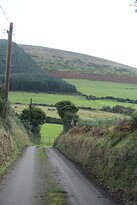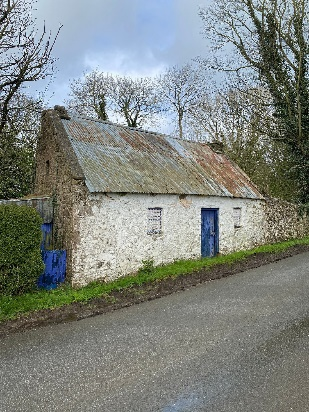

There is a difference between knowing where your Irish ancestors came from and actually standing in the place where they once lived. Genealogy research can close the historical gap on paper, connecting names to dates and places across the generations. But an Irish genealogy ancestry tour closes a different kind of gap entirely. It transforms the abstract into the physical, turning a line in a census record or a parish register into a laneway, a field, a ruined cottage, or a graveyard where your family name is still visible on a headstone.
For the growing number of visitors who want to do more than sightsee in Ireland, a professionally guided genealogy tour offers an experience that no standard itinerary can approach.
Why Irish Records Are Genuinely Difficult
The challenge of tracing Irish roots is well known to anyone who has attempted it independently. Ireland’s historical record is genuinely complicated. The destruction of the Public Record Office in 1922 during the Civil War resulted in the loss of centuries of census and civil registration data that had taken generations to accumulate. Prior to 1864, many records that do survive are incomplete, scattered across county repositories, church archives, and private collections that are not consistently indexed or available online.
Additionally, the family history tours that deliver meaningful results are those led by professional genealogists who know precisely where these records are held, how to interpret them correctly, and how to work around the gaps that Irish history has created over the centuries.
How a Professional Tour Begins Before You Arrive
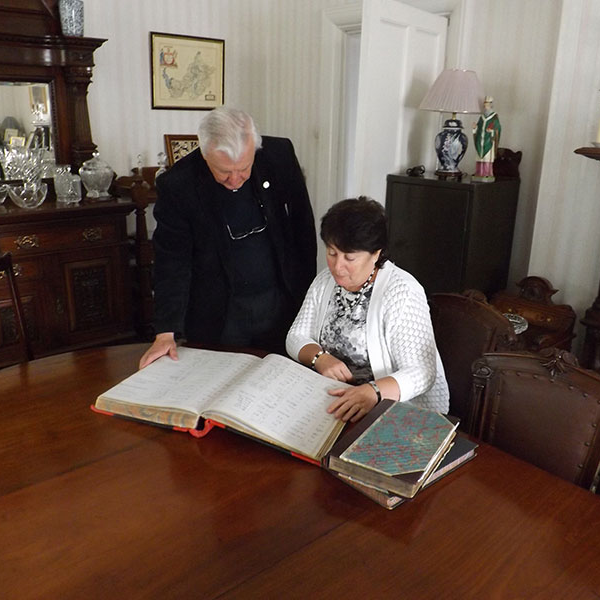
A professional genealogy tour typically begins well before the travel itself. The research phase involves collecting whatever information the visitor can provide, such as surname, county of origin, and approximate emigration date, and using that foundation to search across the full range of available sources. This includes civil registration records, church baptism and marriage registers, land valuation surveys, military records, passenger lists, and gravestone inscriptions, many of which are not available through standard online genealogy sites.
Genealogy research in Ireland at this depth frequently surfaces information that visitors have been unable to find through years of independent searching, including the specific townland where their ancestors lived rather than simply the county name, which is as far as most online searches will take you.
Finding the Townland That Changes Everything
The townland is the key unit of Irish rural geography, and it is often the detail that makes a genealogy tour genuinely moving rather than simply informative. Ireland has over sixty thousand townlands, each with its own name and its own distinct history stretching back through the centuries. Finding the correct townland for a specific family, confirming it against documentary evidence, and then physically visiting that location is what separates a true ancestral experience from a general history tour.
Whether the connection lies in County Mayo, County Donegal, County Clare, or County Wexford genealogy, the process is the same: systematic research, verification against primary sources, and a visit that gives the visitor something genuinely concrete and personal to bring home.
Breaking Through Brick Walls
Many visitors arrive in Ireland having already spent years tracing their Irish roots through online databases, and they frequently encounter the same brick walls. Records that do not match, townlands that cannot be identified, surnames that were anglicised or phonetically recorded in ways that obscure the original Gaelic form entirely.
This is precisely where a professional genealogist adds irreplaceable value. Genealogy in Ireland requires navigating a landscape of records fragmented across multiple repositories, political jurisdictions, and archival systems that do not always communicate with one another. A certified guide who has spent years working within that landscape can move through it in ways that an independent researcher simply cannot replicate from home.
The Historical Context That Makes It Real
The historical context that a good guide brings to a genealogy tour also deepens the experience considerably. Understanding why ancestors left Ireland, whether driven by the devastating impact of the Irish potato famine immigration of the 1840s and 1850s, by economic hardship in subsequent decades, or by political circumstances in the early twentieth century, adds genuine meaning to every location visited.
The ruined cottage in a Connaught townland means something different when a guide can explain the specific conditions of the 1840s in that county and the names of the landlords and relief officers whose decisions shaped what happened to individual families. The emigrant ship record becomes more vivid when a visitor understands what a journey across the Atlantic truly meant for a family leaving with almost nothing.
We Have Already Started Looking for Your Family
At My Ireland Family Heritage, our Irish genealogy ancestry tours are built on the foundation of professional research, certified guides, and a genuine commitment to helping visitors find the connections they have spent years searching for.
Led by Fáilte Ireland-certified genealogist and guide Seán Quinn and his experienced team, we search over forty million Irish local and national records to locate your ancestral townland, family home, church, and graveyard before you ever set foot in Ireland. From County Meath genealogy to Donegal genealogy resources and County Monaghan genealogy, we cover all 32 counties with the same depth and care.
Contact us today to begin the research and plan the ancestry tour of a lifetime.