

When people begin tracing Irish ancestry, they often start with a broad idea: “My family was Irish.” While meaningful, that statement alone can feel frustratingly vague. Ireland’s history, records, and identities are deeply rooted in place. Discovering your Irish ancestral county is often the single breakthrough that turns a scattered family myth into a clear, compelling story.
Identifying one county does more than narrow a map. It transforms your research, shapes how you travel, and creates an emotional connection that reaches far beyond dates and documents. That one place becomes the lens through which your family’s Irish past finally comes into focus.
Why County Matters More Than You Think
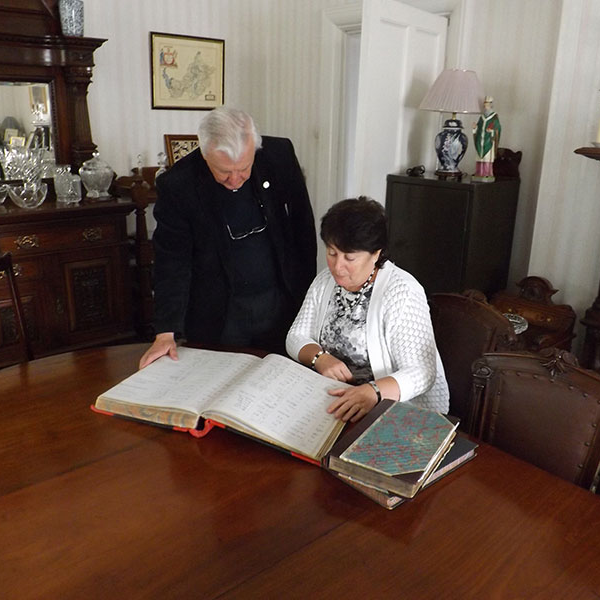
Ireland is divided into 32 counties, each with its own history, traditions, records, and migration patterns. Parish boundaries, land records, and civil registrations are organised by county, not by country.
Without knowing the county, Irish genealogy research can feel like searching for a needle in a haystack. With it, research becomes targeted and efficient. Suddenly, baptism registers, estate papers, and census fragments begin to align.
This is why professional genealogy in Ireland almost always starts with one core question: Which county did your family come from?
Turning Vague Ancestry Into Focused Research
Once your county is identified, research shifts from guesswork to strategy. For example, families researching County Mayo genealogy may focus on famine-era emigration and poor law unions, while those exploring County Meath genealogy often encounter estate records tied to Anglo-Irish landlords.
Similarly, Donegal family history presents a very different research experience due to its strong Ulster Scots influence and complex land divisions. Each county demands a tailored approach grounded in local context.
Knowing the county allows genealogists to:
- Search the correct parish registers
- Understand local naming patterns
- Identify historic townlands
- Access county-specific archives
This level of precision is what turns fragmented clues into documented family lines.
The Emotional Power of Place
Finding your Irish ancestral county does more than improve research accuracy—it creates belonging. A surname on a ship’s manifest feels distant until you can stand in the townland it came from.
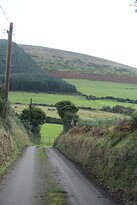
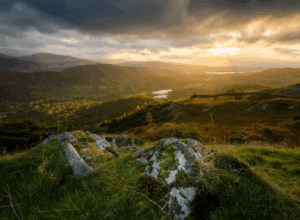
People often describe an emotional shift when they learn their family’s county. Ireland stops being an abstract homeland and becomes your place. Whether it’s a windswept Donegal coastline or rolling farmland in Mayo, the landscape suddenly feels familiar.
This connection is especially powerful for those tracing their Irish roots after generations abroad. The county becomes the bridge between past and present.
Meaningful Heritage Travel Starts With One County
Many people dream of visiting Ireland, but without a clear ancestral location, trips can feel like sightseeing rather than homecoming. When you know your county, travel becomes purposeful.
Instead of rushing between landmarks, you can:
- Visit ancestral parishes and graveyards
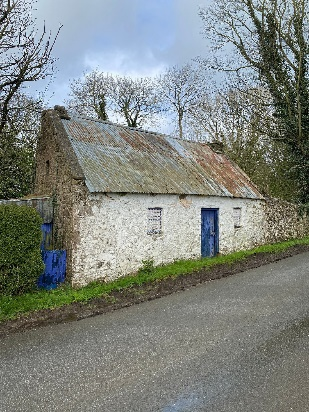
- Walk family townlands
- Meet local historians
- Explore county archives
Whether the journey leads to County Wexford genealogy sites tied to early Irish emigration or rural churches connected to County Clare genealogy, county-based travel creates unforgettable experiences rooted in personal history.
Counties Hold Distinct Histories and Identities
Every Irish county has a unique story shaped by ancient settlement, medieval conflict, and modern migration. Understanding this context deepens your family narrative.
Research into Celtic tribes in Ireland reveals how early kingdoms influenced surnames and territorial boundaries that still matter today. Meanwhile, families with Ulster roots often need specialised Northern Ireland genealogy research due to record differences and historical divisions.
A family from County Monaghan genealogy may encounter different religious records than one from Connacht. Recognising these distinctions allows your story to reflect real historical forces rather than generic assumptions.
From Records to Real People
Once research narrows to a county, ancestors stop being names on charts and become people shaped by local events—famine, land reform, rebellion, or emigration waves.
This is where Irish genealogy becomes storytelling. You begin to understand why your ancestors left, how they lived, and what they carried with them. County context provides the social and economic backdrop that turns family trees into living histories.
One County, A Lifetime of Meaning
Discovering your Irish ancestral county is not the end of your journey—it’s the beginning. That single place anchors your research, guides your travel, and strengthens your emotional bond with Ireland.
It transforms curiosity into clarity and ancestry into identity. Whether your roots lie in Donegal, Mayo, Meath, or beyond, knowing the county changes everything.
Begin Your Journey With Us
At My Ireland Family Heritage, we believe one county can unlock an entire family story. We work with you to uncover your Irish ancestral county and bring your heritage to life through expert Irish genealogy research and personalised heritage touring.
We proudly offer genealogy services in Ireland across all 32 counties, including specialist Northern Ireland genealogy support. From parish research to immersive travel experiences, our genealogy services in Ireland are designed to connect you deeply with your past.
Let us help you trace your roots, walk ancestral land, and understand the story behind the names. Your Irish journey starts with one county—and we’re here to guide you every step of the way.
Contact us to learn more.