


Planning an Ireland self-drive tour offers heritage travellers a rare opportunity to explore ancestral landscapes at their own pace. For those tracing family roots, driving through Ireland’s rural heartlands allows direct access to townlands, graveyards, and homesteads often missed on standard itineraries. With careful preparation and expert route design, a self-drive heritage journey becomes both manageable and deeply meaningful.
Why Self-Drive Suits Heritage Travel
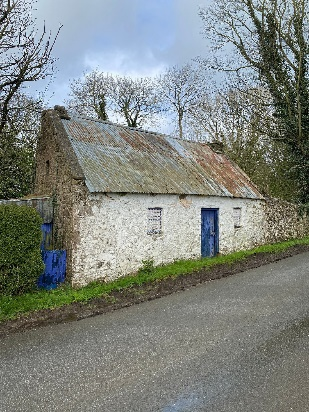
Many ancestral locations sit far from major cities, tucked along boreens and country lanes. A self-drive approach provides flexibility to linger where family history feels strongest. It also supports meaningful engagement with sites connected to genealogy research in Ireland, allowing visitors to align historical records with physical places on the ground.
Unlike general Ireland history tours, heritage-focused itineraries prioritise ancestral relevance over speed. Each stop has personal context, whether it is a parish church, rural burial ground, or famine-era landscape linked to the Irish potato famine.
Navigating Rural Roads with Confidence
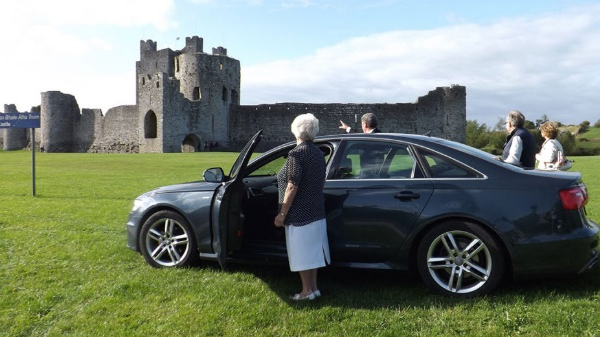
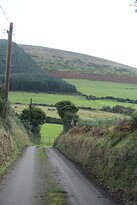
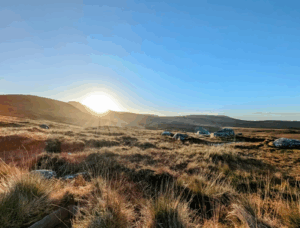
Ireland’s rural roads can be narrow and winding, but they reward careful drivers with remarkable scenery and access to places untouched by mass tourism. Familiarity with local driving customs is key. Slower speeds, courtesy to oncoming traffic, and patience with farm vehicles are essential.
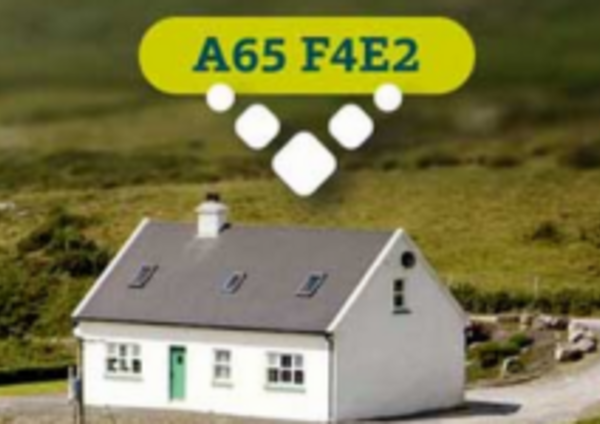
Using GPS alone is not enough. Townland names do not always align with modern mapping. Professional planning rooted in ancestry research ensures destinations are clearly identified before departure with exact GPS coordinates, avoiding frustration and unnecessary detours.
Planning Routes Around Ancestral Sites
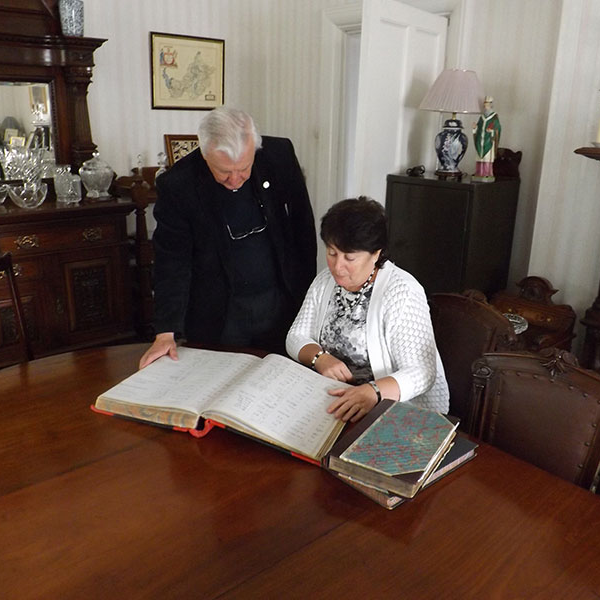
Successful self-drive heritage journeys begin with records, not road maps. Census data, parish registers, and land records help pinpoint meaningful locations. From there, routes can be designed to connect these places logically, often weaving through areas rich in cultural and local history.
Balancing driving distances with time on site is crucial. Visiting a famine workhouse or rural graveyard often requires reflection, not rushing. Understanding Irish famine workhouse facts adds context to these visits and deepens emotional connection.
Practical Tips for Driving Like a Local
Driving on the left takes adjustment, but smaller vehicles make narrow roads easier to navigate. Early starts allow for quieter roads and unplanned discoveries. Local cafés, village pubs, and heritage centres offer insight not found in guidebooks and often point travellers towards lesser-known family landmarks.
Weather planning matters as well. Rural Ireland changes quickly with rain and light conditions. Building flexibility into a self-drive itinerary ensures safety and enjoyment throughout the journey.
Blending Heritage with Enjoyment
A well-designed self-drive heritage trip balances research with relaxation. Scenic coastal routes, historic towns, and moments of leisure help prevent emotional fatigue. While the focus may be family history, experiencing broader Ireland cultural tours enriches understanding of the society ancestors once knew.
Heritage travel is not simply about reaching destinations. It is about understanding how geography, hardship, and community shaped family lives across generations.
At My Ireland Family Heritage, we specialise in designing self-drive heritage journeys that connect records to real places across all 32 counties in Ireland.
Our team combines Irish ancestry and genealogy tours, in-depth genealogy research in Ireland, and personalised family tours of Ireland to create meaningful experiences rooted in your story.
From research to route design, we ensure your Ireland self-drive tour reflects both history and heritage. Let us guide you through Ireland with purpose, clarity, and expert local knowledge.
Contact us today.