
County Clare is a compelling place to explore family history. From coastal villages and rural parishes to old churchyards and historic towns, the county offers countless opportunities to connect genealogical research with the landscapes where previous generations lived.
For travellers interested in Clare Ireland genealogy, a self-drive journey can be particularly rewarding. Instead of following a fixed itinerary, you can build a route around family records, ancestral addresses, burial grounds, parish churches and stories passed down through generations. With some careful research before your visit, a holiday in Clare can become a much more personal exploration of your Irish heritage.
Start Your Clare Ireland Genealogy Research Before You Travel

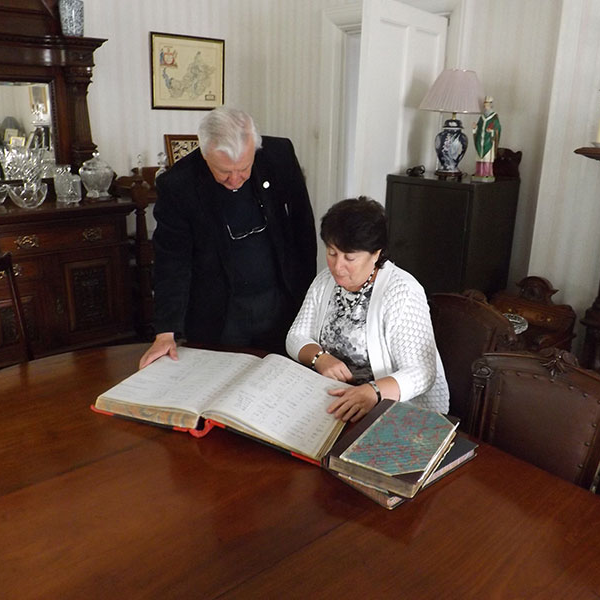
The most meaningful family history trips usually begin well before you arrive in Ireland. Start by gathering as much information as possible from birth, marriage and death certificates, family documents, photographs, letters and conversations with older relatives.
Names alone may not be enough. Try to identify specific townlands, parishes, villages and approximate dates associated with your ancestors. Ireland has thousands of townlands, and locating the correct one can make a major difference when tracing your Irish roots.
Useful sources for Clare research may include civil registration records, parish registers, census returns, historic maps, cemetery records and local archives. Immigration, naturalisation and passenger records from the country where your ancestors later settled may also reveal an Irish birthplace or next of kin.
When possible, compare several sources rather than relying on one document. Names were often recorded with different spellings, while ages and place names could vary between records.
Turn Family Records Into a Self-Drive Route

Once you have identified several places connected to your ancestry, begin plotting them on a map.
A self-drive tour gives you the flexibility to spend more time in locations with the strongest family connections. You might begin in a larger Clare town before continuing towards smaller villages, townlands and rural areas associated with your ancestors.
Your route could include:
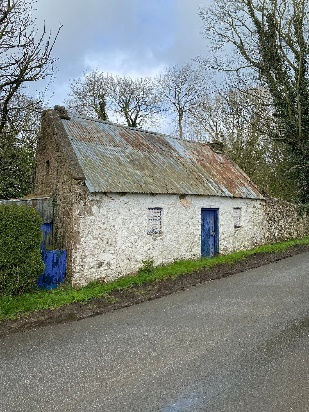
- The townland where a family once lived
- A parish church connected with baptisms or marriages
- A cemetery where relatives may be buried
- A historic village mentioned in family records
- A former school, estate or workplace
- Local heritage centresand libraries
- Landmarks linked to stories preserved within your family
Unlike standard history tours of Ireland, a genealogical self-drive journey is shaped by your own family history. That makes even an ordinary country road, church or hillside meaningful when you know that your ancestors once lived nearby.
Explore Clare’s Villages and Townlands
Townlands are particularly important in Irish genealogy. They are small geographical divisions that frequently appear in historical records and can help narrow your search from an entire county to a very specific location.
For anyone researching Clare Ireland genealogy, finding the correct townland can provide a valuable starting point for an ancestral visit.
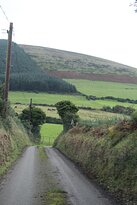
Once there, look beyond modern street signs. Historic maps can help you understand how the area looked during your ancestors’ lifetime. Old roads, churches, bridges, farm boundaries and settlement patterns may reveal connections that are less obvious today.
Speaking with local residents can sometimes provide additional context too, particularly in smaller communities where surnames and family histories have remained connected to the area for generations.
Visit Churches, Graveyards and Burial Grounds
Churches and cemeteries can become some of the most memorable stops when tracing your Irish roots.
Parish churches may help you understand the community your ancestors belonged to, while burial grounds can reveal names, dates and relationships that support existing research. Even where headstones are damaged or no longer readable, simply visiting the place where generations of a family lived and were buried can be significant.
Before visiting rural graveyards, research access conditions and locations carefully. Some older burial grounds may be reached by narrow roads or footpaths, so a flexible schedule is useful.
Photograph inscriptions and surrounding landmarks where permitted. These details can be valuable once you return home and continue your research.
Combine Genealogy With Clare’s Cultural Heritage
Family history does not exist separately from local history. Understanding what life was like in County Clare during your ancestors’ time can make names and dates feel far more meaningful.
Consider visiting museums, heritage sites, historic churches, traditional villages and landscapes associated with farming, fishing and emigration. These stops add context to your research and turn a genealogy journey into one of the most personal Ireland cultural tours imaginable.
Clare also makes an excellent base for exploring the wider heritage of the Republic of Ireland. Depending on your family history, you may decide to extend your self-drive route into neighbouring counties while keeping Clare at the centre of the journey.
Leave Room for Unexpected Discoveries
Genealogy travel rarely follows a perfect schedule. A cemetery may take longer to explore than expected, a local archive might uncover a new family connection, or a conversation may point you towards a village that was not originally on your itinerary.
That is one of the biggest advantages of travelling independently.
Build extra time into your route rather than trying to see too many locations in one day. For many travellers, the most memorable discoveries happen because they had enough flexibility to follow new information.
Professional research completed before your trip can also help you avoid spending valuable travel time searching for basic records and instead focus on visiting meaningful locations.
Make Your Clare Family History Journey Personal
Exploring Clare Ireland genealogy can transform an ordinary trip through the west of Ireland into a deeply personal journey. With careful research, a flexible self-drive route and time to explore ancestral villages, churches, burial grounds and local landmarks, you can experience family history in the places where it actually happened.
Rather than simply seeing Ireland, you can begin to understand how your family’s story fits into its landscape, communities and cultural heritage.
If you’re looking for professional genealogy research, look no further than My Ireland Family Heritage. Our team helps travellers uncover meaningful family connections before turning that research into unforgettable heritage experiences.
My Ireland Family Heritage offers one-day family heritage tours across all 32 counties of Ireland, alongside comprehensive genealogy tours, family history tours, and cultural tours. For travellers who prefer greater independence, personalised self-drive research and route planning can also help you explore ancestral locations at your own pace.
Whether your goal is tracing your Irish roots, exploring County Clare or building a wider journey through Ireland, professional research can help ensure every stop has a genuine connection to your family’s past. Drop us a message today to learn more.