

Genealogy often begins with names, dates, marriages and places. Yet these details only tell part of an ancestor’s story. When tracing your Irish roots, understanding the historical events that shaped everyday life can help you see why families moved, disappeared from local records, entered workhouses or eventually left Ireland altogether.
The Great Famine, which lasted from 1845 to 1852, was one of the most disruptive periods in Irish history. Starvation, disease and mass emigration transformed communities across the country. For family historians, learning key Irish famine workhouse facts, exploring famine-era records and visiting historically significant locations can provide valuable context for an ancestor’s experiences.
Why the Great Famine Matters to Genealogy
Finding an ancestor on a record tells you where they were at a particular moment. Historical context can help explain why they were there.
A family that appears in one Irish parish before the Famine but disappears afterwards may have moved elsewhere in Ireland, emigrated or suffered deaths during the crisis. An ancestor who later appears in England, America, Canada, or Australia may have left Ireland because their family could no longer sustain itself at home.
This is particularly important because many nineteenth-century Irish census records have not survived. The majority of the original 1821, 1831, 1841, and 1851 census returns were destroyed in 1922, while later nineteenth-century returns were also lost. Researchers therefore often have to combine surviving records with local and historical evidence to reconstruct a family’s circumstances.
Understanding the Famine turns a missing name or sudden migration into a question that can be researched within a much wider historical story.
Irish Famine Workhouse Facts That Can Guide Your Research

Workhouses are among the most important institutions to understand when researching poorer Irish families during the nineteenth century.
The Irish Poor Law Act of 1838 initially divided Ireland into 130 Poor Law Unions, each centred around a workhouse. The system was originally intended to accommodate roughly one per cent of the population. By March 1851, however, nearly four per cent of Ireland’s population was in workhouses as the Famine overwhelmed existing arrangements.
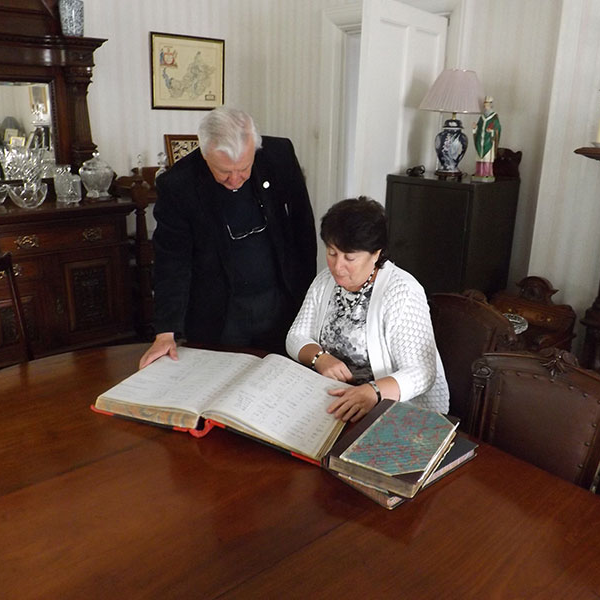
One of the most useful Irish famine workhouse facts for genealogists is that workhouses generated administrative records. Surviving material can include admission and discharge registers, Board of Guardians records, correspondence and other Poor Law documents. These sources may help establish that an ancestor was living within a particular Poor Law Union or receiving institutional assistance.
The surviving buildings can also make the experience more tangible. The Irish Workhouse Centre at Portumna, County Galway, occupies a former workhouse and explores the lives of people who sought assistance within the system from the nineteenth century onwards.
Look Beyond Individual Records to Community Evidence
Sometimes an ancestor will not appear by name in a surviving famine-era collection. That does not mean there is nothing more to discover.
The National Archives of Ireland holds the Distress Papers and Relief Commission records, which contain reports, letters, petitions and correspondence relating to communities affected by the Famine. Researchers can use geographical indexes to investigate particular areas even when an ancestor’s name is absent.
This approach is particularly useful when researching a known townland, parish or county.
For example, someone undertaking Clare Ireland genealogy might investigate what was happening in the locality where their ancestors lived rather than searching only for their surname. Information about relief measures, poverty, and local conditions can help build a fuller picture of the circumstances surrounding a family’s decisions.
Migration May Be Part of the Family Story
Emigration became one of the defining consequences of the Great Famine. Dublin’s Docklands, along with other Irish ports, became departure points for people seeking lives elsewhere.
When tracing your Irish roots, an apparent end to the Irish paper trail may therefore be the beginning of another stage of research. Family letters, passports, overseas census records, church records and other documents may reveal when an ancestor left Ireland and where they settled.
Knowing an approximate migration date is especially useful because it allows researchers to examine what was happening in the family’s home community around the same period. The National Archives recommends establishing details such as a surname, parish or townland and approximate period before beginning deeper family-history research.
Visit the Irish Famine Memorial in Dublin
Historical research can become even more meaningful when it is connected to physical places.
On Custom House Quay in Dublin stands the Famine Memorial, a group of bronze sculptures created by Rowan Gillespie and presented to the city in 1997. The figures commemorate people forced to emigrate during the nineteenth-century Famine. The location is particularly significant because the Perseverance departed from Custom House Quay in March 1846 carrying emigrants to New York.
For travellers interested in history tours or Ireland cultural tours, visiting places such as the memorial can add an emotional and geographical dimension to genealogy research. Instead of viewing emigration simply as a date on a family tree, you can stand near a departure point and begin to understand what leaving Ireland may have meant.
Historical context helps transform genealogy from a collection of records into the story of real people living through extraordinary circumstances.
Workhouse records, relief documents, migration evidence, local history and surviving heritage sites can all contribute to that story. Understanding Irish famine workhouse facts may reveal why an ancestor sought relief, while local research can explain why another family moved to a different county or departed Ireland completely.
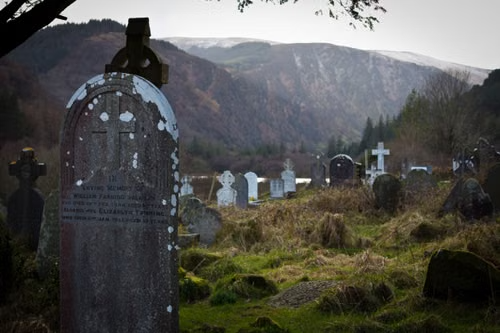
For families with roots in the Republic of Ireland, exploring ancestral villages, churches, burial grounds, workhouse sites and local landscapes can make those discoveries even more personal. Research elsewhere on the island can also be incorporated where family evidence leads there, while self-drive options can be particularly practical for areas such as Donegal where ancestral locations may be widely dispersed.
If you’re looking for professional genealogy research, look no further than My Ireland Family Heritage. Our services help connect documentary research with the places where your ancestors actually lived, worked and built their lives.
My Ireland Family Heritage provides genealogy research and personalised family heritage experiences across Ireland’s 32 counties. One-day family heritage tours are available in many areas, alongside comprehensive genealogy tours, family history tours, and cultural tours. For regions where distances make a single-day itinerary less practical, including Donegal and some routes in Kerry and Cork, tailored self-drive or extended options can help you explore your heritage at a more comfortable pace.
Whether you are tracing your Irish roots, researching Clare Ireland genealogy, or hoping to add personal meaning to history tours of Ireland, My Ireland Family Heritage can help turn names and dates into a deeper understanding of your family’s Irish story.
Connect with us today to learn more.