
Ireland’s castles are more than stone structures rising from green landscapes—they are enduring records of power, resilience, and identity. From windswept coastal fortresses to inland strongholds tied to ancient clans, Ireland’s castles tell stories that stretch across centuries. Today, these sites form the backbone of immersive history tours of Ireland, offering travelers a deeper connection to the land, its people, and their lineage.
For those exploring roots through Irish genealogy ancestry tours or going on meaningful family history tours, castles provide a powerful context.
They guide your path to specific townlands, revealing how your forebears lived, defended their land, and shaped local heritage.
The Origins of Ireland’s Castles: Norman Influence and Gaelic Legacy
The story of Ireland’s castles begins in earnest during the 12th century, following the arrival of the Anglo-Normans. These settlers introduced new architectural styles, including motte-and-bailey structures and, later, more durable stone keeps. Built with defense and territorial control in mind, these early castles marked a shift in how land was occupied and protected. Over time, however, these imported designs did not remain unchanged. They gradually blended with Gaelic building traditions, resulting in a distinctly Irish castle style that reflected both cultures.
As Gaelic clans adapted these structures, castles evolved beyond purely defensive sites. Tower houses became more common, designed to suit local needs while maintaining strategic advantages. Many were constructed using locally sourced stone and positioned to overlook key areas within a townland. This blending of Norman structure with Gaelic practicality is still visible today, offering valuable insight for those exploring history tours of Ireland.
Location played a role in castle placement. Many were built near rivers, fertile agricultural land, or important trade routes, ensuring both protection and sustainability for surrounding communities. For those going on ancestry travel tours or Irish genealogy ancestry tours, these locations often align closely with ancestral townlands, helping visitors visualize how their forebears lived, worked, and interacted with the land.
Importantly, castles were not solely military strongholds. They functioned as centers of governance, social life, and economic activity. They often served as the heart of a clan’s homestead, where leadership decisions were made, and daily life unfolded. This layered history makes castles essential stops on family history tours.
Bunratty Castle: A Living Chronicle of Medieval Life
Located in County Clare, Bunratty Castle stands as one of Ireland’s most complete and well-preserved medieval fortresses. Originally constructed in the 15th century by the MacNamara family and later held by the O’Brien clan, the castle reflects a layered history shaped by both Gaelic traditions and Norman influence, offering insight into Ireland’s complex past.
Inside, the castle has been thoughtfully restored to mirror life in medieval Ireland. Visitors can walk through richly furnished halls, ascend narrow spiral staircases, and observe detailed period interiors that bring daily routines into sharper focus. For those embarking on Irish genealogy ancestry tours or family history tours, Bunratty provides a powerful, immersive link to the environments where ancestors may have lived, worked, and gathered within their own townland.
Beyond the castle walls, Bunratty Folk Park recreates a traditional village setting, complete with thatched cottages, shops, and farmsteads. This broader experience adds depth to history tours of Ireland, especially for those seeking ancestry travel tours that prioritize storytelling, context, and lived experience over architecture alone.
Kilkenny Castle: Power, Politics, and Transformation
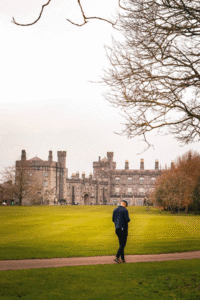
Kilkenny Castle, situated in the heart of Kilkenny, reflects centuries of political change. Built in 1195 by the Anglo-Norman leader Richard de Clare, known as Strongbow, the castle became a central seat of power for the Butler family for nearly 600 years.
Over time, Kilkenny Castle evolved from a defensive fortress into a refined residence, mirroring shifts in Irish society. Its transformation highlights how castles adapted to changing needs—from warfare to governance to domestic life.
For travelers engaged in family history tours, Kilkenny Castle offers insight into how influential families shaped entire regions.
Blarney Castle: Myth, Legacy, and Cultural Identity
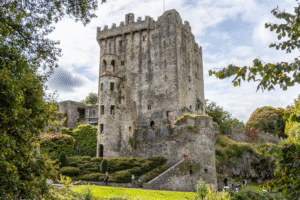
Blarney Castle in County Cork is one of Ireland’s most recognized historic landmarks, closely tied to the country’s storytelling traditions and cultural identity. Built in the 15th century by the influential McCarthy clan, the castle is best known for the legendary Blarney Stone, believed to grant eloquence to those who kiss it.
Beyond the famous stone, Blarney Castle offers a deeper perspective on Ireland’s layered past. Its stone towers, hidden chambers, and carefully maintained gardens reflect centuries of political change, local power, and evolving identity.
For visitors taking part in Irish genealogy ancestry tours, Blarney Castle becomes more than a landmark. It represents how stories, whether rooted in fact or legend, shape an understanding of place and belonging. Walking the castle grounds allows individuals to reflect on the lives, traditions, and landscapes that may have influenced their own lineage.
As part of family history tours, locations like Blarney reinforce the importance of storytelling in tracing heritage. The narratives associated with Irish castles often echo themes of resilience, negotiation, and cultural continuity. These elements remain central to understanding Ireland today, making Blarney Castle a valuable stop for anyone seeking a deeper connection to their ancestral past.
Dunluce Castle: Drama on the Edge of the Atlantic
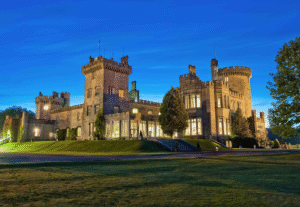
Perched dramatically on a rugged cliff along Northern Ireland’s coastline, Dunluce Castle stands as one of the most striking places in Ireland. Once the seat of power for the MacDonnell clan, its position high above the Atlantic Ocean offered both protection and constant exposure to the elements. The surrounding area is raw and powerful, reflecting the realities faced by those who lived and defended this coastal stronghold centuries ago.
The castle’s history is closely tied to both resilience and loss. One of its most well-known stories recalls how part of the structure collapsed into the sea during a fierce storm, a reminder of how unpredictable life could be along Ireland’s western edges. These events are not just dramatic anecdotes, but real indicators of how environmental forces shaped settlement patterns, daily life, and long-term survival in nearby townlands.
Today, the ruins of Dunluce Castle offer more than a visual experience. They provide a deeper understanding of how families adapted to challenging conditions over generations. For those planning a history tour of Ireland, the site illustrates the relationship between geography and heritage in a way that feels immediate and tangible.
For visitors exploring family history tours or Irish genealogy tours, Dunluce Castle adds important context. It highlights how coastal environments influenced migration, livelihoods, and the formation of community ties.
Ashford Castle: From Fortress to Estate
Ashford Castle in County Mayo offers a different perspective on Ireland’s castle history. Originally built in the 13th century by the de Burgo family, it later became an estate associated with the Guinness family.
Unlike many castles that remain in ruins, Ashford has been continuously adapted, reflecting changing social and economic conditions. Its evolution from fortress to estate highlights the shifting role of castles in Irish society.
For those on ancestry travel tours, Ashford Castle provides insight into how land ownership and estate life shaped local communities. It also illustrates how castles were integrated into broader landscapes, influencing nearby townlands and homesteads.
Cahir Castle: Defense and Design in Harmony
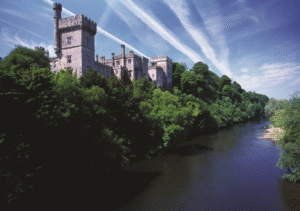
Cahir Castle, located in County Tipperary, is one of Ireland’s largest and best-preserved castles. Built in the 13th century by the Butler family, it was designed with advanced defensive features, including thick walls, a river boundary, and strategic towers.
Unlike many castles that were heavily damaged or abandoned, Cahir retains much of its original structure. This makes it an essential stop on history tours of Ireland, particularly for those interested in military architecture.
For visitors exploring lineage through Irish genealogy ancestry tours, Cahir offers a clear picture of how castles functioned as both protective strongholds and administrative centers within a townland.
Ross Castle: Lakeside Heritage and Clan Life
Ross Castle, situated on the edge of Lough Leane in County Kerry, is closely associated with the O’Donoghue clan. Built in the 15th century, it reflects the traditional tower house style common across Ireland.
Its lakeside setting adds a sense of tranquility, contrasting with its defensive purpose. Ross Castle is often included in family history tours, as it represents the type of structure many Irish clans used as their central homestead.
Exploring Ross Castle allows visitors to connect with the rhythms of clan life—how families lived, governed, and interacted with their environment. This connection is particularly meaningful for those tracing ancestry tied to nearby townlands.
Trim Castle: Ireland’s Largest Norman Fortress
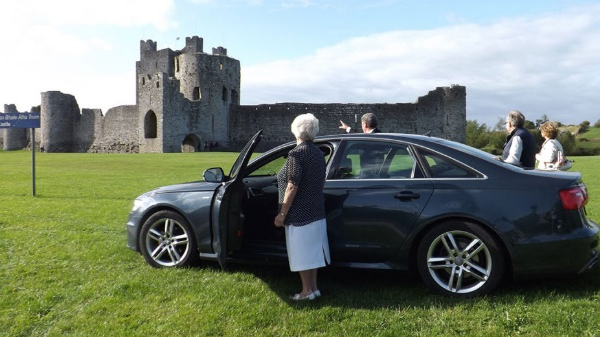
Trim Castle in County Meath is the largest Anglo-Norman castle in Ireland. Built in the late 12th century by Hugh de Lacy, it served as a major administrative center and symbol of Norman authority.
Its massive stone walls and expansive grounds reflect the scale of Norman ambition in Ireland. Trim Castle is a cornerstone of many history tours of Ireland, offering insight into the early stages of colonization and cultural integration.
For those on ancestry travel tours, Trim provides context for understanding how external influences shaped Irish society. It also highlights the complexity of heritage, where multiple cultural threads intertwine within a single townland.
The Role of Castles in Irish Genealogy and Heritage Travel
Castles are not isolated monuments—they are deeply connected to the people who lived around them.
By visiting castles tied to specific regions, travelers can:
- Identify historical influences on their family’s townland
- Understand the social structures that shaped daily life
This makes castles a central feature of Irish genealogy ancestry tours, where storytelling and place-based exploration come together.
Experiencing Ireland’s Castles Through Guided Tours
While independent travel offers flexibility, guided experiences provide depth and context. Certified tour guides and qualified genealogists can bring castle histories to life, connecting them directly to your personal story.
Through curated history tours of Ireland, visitors gain access to:
- Detailed historical narratives
- Local insights tied to specific townlands
- Personalized routes based on family heritage
These experiences are especially valuable for those seeking meaningful ancestry travel tours, where each stop contributes to a broader understanding of identity.
Why Castles Continue to Matter Today
Ireland’s castles remain powerful symbols of continuity. They represent not just the past, but the ongoing relationship between people and place. Whether restored or in ruins, each castle carries stories that resonate across generations.
For modern travelers, especially those on family history tours, castles offer more than visual appeal—they provide emotional connection. Standing within their walls, you are not just observing history; you are stepping into it.
A Journey That Connects You to Your Own Story
Exploring Ireland’s castles is ultimately about connection—connection to land, to history, and to your own lineage. Each castle visited adds another layer to your understanding of where you come from.
Whether you are tracing roots through Irish genealogy tours or simply seeking a deeper travel experience, these iconic structures serve as gateways to Ireland’s rich cultural heritage.
If you’re ready to turn history into a personal journey, My Ireland Family Heritage offers a truly unique experience. Our genealogy research services and tours combine in-depth ancestry tracing with immersive travel across Ireland’s most meaningful locations.
Our team of qualified genealogists and certified tour guides designs personalized history tours across the 32 counties of Ireland that take you directly to your ancestral townland, helping you connect with your heritage in a way that is both authentic and unforgettable.
We are the only company in Ireland offering this complete experience—where research and travel come together seamlessly.
Connect with us today to learn more.
FAQs
- What are the most famous castles to visit in Ireland?
Some of the most famous castles in Ireland include Bunratty Castle, Kilkenny Castle, Blarney Castle, Trim Castle, Ashford Castle, and Dunluce Castle. Each offers a unique perspective on Ireland’s history, architecture, and cultural heritage.
- Why are castles important in Irish genealogy tours?
Castles often served as centers of governance, protection, and community life within historic townlands. Visiting these sites during Irish genealogy ancestry tours helps travelers better understand the environments where their ancestors lived and how local history shaped family heritage.
- Can you visit castles across all regions of Ireland?
Yes. Historic castles can be found throughout both the Republic of Ireland and Northern Ireland, offering opportunities to explore heritage sites across all 32 counties.
- Are guided castle tours better than self-guided visits?
Guided tours can provide deeper historical context, local insights, and genealogy connections that are often missed during independent travel. Certified guides and genealogists can help connect castle history to specific families, clans, and ancestral townlands.
- What is the best time of year to explore Ireland’s castles?
Spring and early autumn are often considered ideal times to explore Ireland’s castles due to milder weather, fewer crowds, and scenic landscapes. However, castles remain popular destinations year-round for history and ancestry travelers.