

For many families in America, Canada, and Australia, tracing Irish ancestry starts with a simple question: Where in Ireland did our family come from? What begins as curiosity often grows into a meaningful journey through records, stories, and landscapes connected to generations past.
Irish genealogy research can feel overwhelming at first, especially when records are incomplete or family details have changed over time. However, taking the right first steps can make the process more manageable and rewarding.
Start With Family Records and Oral History

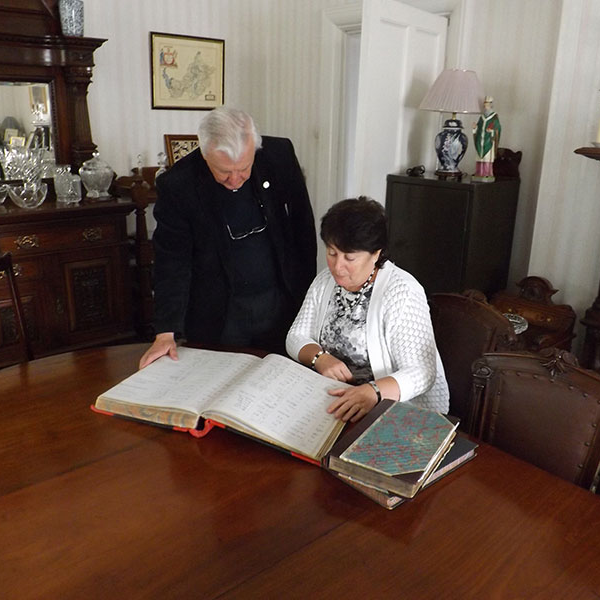
Before expanding your search into Irish archives and historical databases, it is important to begin with the information already available within your family. Speaking with older relatives and gathering family documents can uncover valuable details that serve as the foundation of successful Irish genealogy research. Many family stories, traditions, and records contain clues that may not appear in official documents.
Look for birth certificates, marriage records, death certificates, military papers, church documents, immigration records, family letters, diaries, and old photographs. These items often reveal names, dates, relationships, occupations, and locations that can help guide future research.
Pay close attention to:
- Family surnames and spelling variations
- Approximate dates of birth, marriage, and emigration
- Religious background and church affiliations
- Occupations and trades
- Mentions of counties, parishes, or townlands in Ireland
- Family stories about migration, settlement, or life in Ireland
Even seemingly minor details can become significant pieces of evidence later in the research process. A reference to a nearby parish, a family nickname, or an old address may provide the key to identifying the correct ancestral line. Building a strong foundation with family records and oral history helps ensure that future research is accurate and meaningful.
Identify the Irish County and Townland
One of the most important milestones in tracing Irish ancestry is identifying the specific county and townland where your ancestors lived. Ireland has many common surnames that appear throughout the country, making location-based research essential. Without knowing the correct place of origin, it can be difficult to distinguish one family from another.
Researchers often find clues in overseas records such as passenger lists, census returns, naturalisation documents, death certificates, military records, and church registers. These sources may mention a birthplace, county, or parish that can help narrow the search.
Once a county and townland have been identified, a wealth of additional resources becomes available. Researchers can begin exploring parish registers, land records, local histories, cemetery records, and other documents connected to that specific area. These records often reveal generations of family connections and provide a clearer picture of how ancestors lived and worked.
For many families, identifying a townland is the moment when genealogy research becomes tangible. Family stories begin connecting with real places, landscapes, and communities, transforming names on a family tree into people with a genuine historical presence.
Understand the Immigration Story

Tracing Irish ancestry is not only about discovering names and dates. It is also about understanding the circumstances that shaped your family’s journey. Many Irish families emigrated during periods of significant hardship, including the Great Famine, economic challenges, political unrest, and limited opportunities at home.
Learning about the historical context surrounding your ancestors’ departure from Ireland can provide valuable insight into their experiences and decisions. Understanding when they left, where they settled, and how they established new lives abroad adds depth and meaning to your research.
Migration patterns varied greatly depending on the destination. Some Irish emigrants settled in major cities such as Boston, New York, Toronto, Melbourne, or Sydney, while others established roots in rural communities throughout Canada, Australia, the United States, and beyond. Each migration story offers unique clues that can support genealogical research and help explain family connections across generations.
Exploring the immigration journey also allows descendants to appreciate the resilience and determination of those who left Ireland in search of a better future. This broader historical perspective often becomes one of the most rewarding aspects of family history research.
Turn Research Into a Heritage Journey
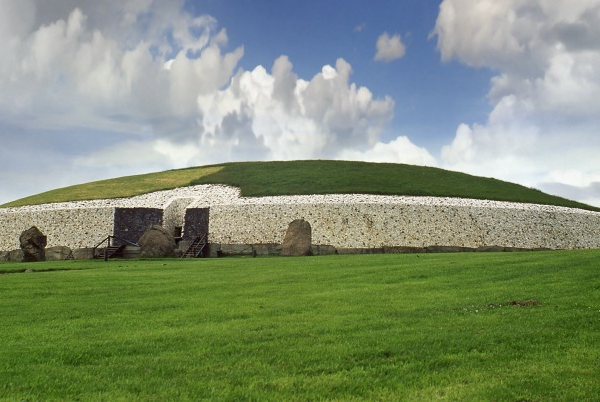
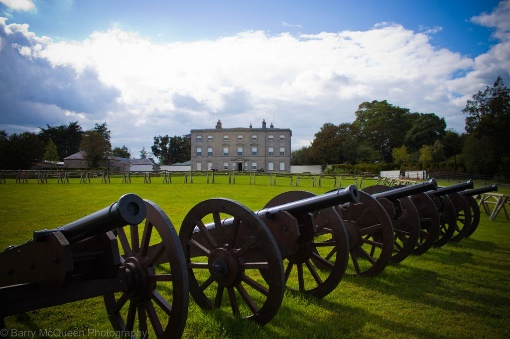
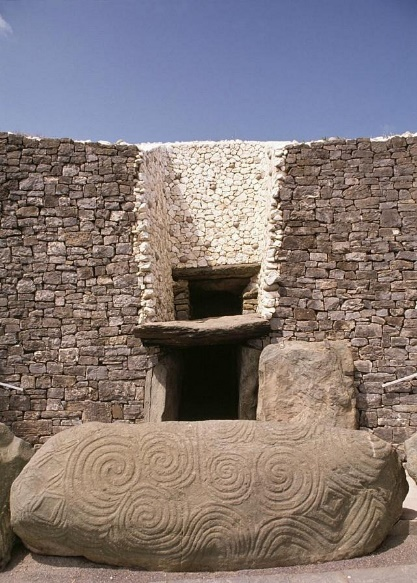
For many overseas descendants, genealogy research eventually inspires a visit to Ireland. Standing in the places where ancestors once lived can create a powerful and emotional connection to family heritage. Visiting ancestral counties, churches, cemeteries, and historic landmarks allows travellers to experience their family story in a deeply personal way.
Today, many visitors combine genealogy research with immersive heritage experiences through history tours of Ireland and personalised family history tours. These experiences are designed to help descendants connect their research with the landscapes, communities, and traditions that shaped their ancestors’ lives.
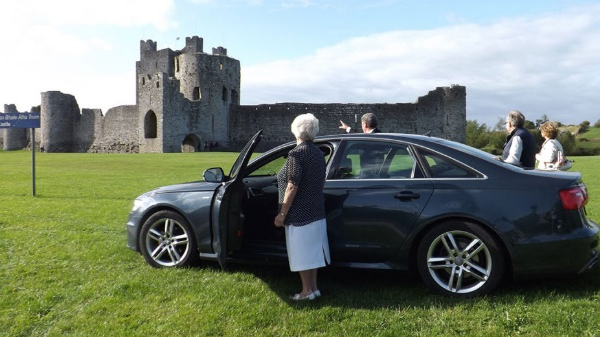
Professionally organised family history tours often include visits to ancestral townlands, local archives, historic churches, cemeteries, and cultural sites connected to specific family lines. They provide opportunities to explore Ireland beyond the typical tourist routes while gaining a deeper understanding of family heritage.
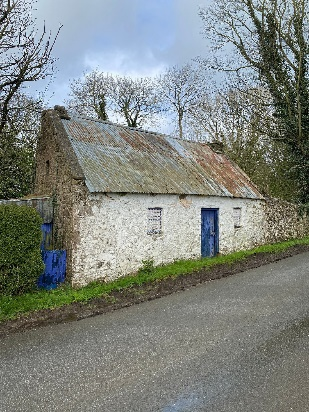
For many travellers, these journeys become far more than holidays. They offer a chance to reconnect with identity, heritage, and generations that came before them. Walking through ancestral lands and visiting an ancestral homestead can bring years of research to life in a truly memorable way.
Why Professional Guidance Matters
Irish genealogy research can be both rewarding and complex. Records vary by county, historical documents may be incomplete, and surnames often changed spelling over time. Identifying the correct townland and interpreting historical records frequently requires specialised knowledge and experience.
Professional genealogists understand how to go through Irish archives, analyse historical sources, and connect records that may initially appear unrelated. Their expertise can save significant time while uncovering details that might otherwise remain hidden.
For those planning heritage travel, experienced genealogists and tour guides can also help transform research findings into meaningful travel experiences. By building itineraries around verified family connections rather than assumptions, visitors gain a more authentic understanding of their Irish roots.
Whether you are just beginning your search or preparing for a heritage journey, professional guidance can help ensure that your family story is researched accurately and experienced in a way that honours the generations who came before you.
Begin Your Irish Heritage Journey With Confidence
My Ireland Family Heritage is a one-stop shop for genealogy research and tours, helping overseas descendants reconnect with their Irish roots through detailed research and personalised heritage experiences.
Our qualified genealogists and tour guides create tailored Irish genealogy ancestry tours and family history tours designed around your family story.
We are the only company in Ireland offering this unique combination of professional genealogy research and immersive heritage travel experiences across the 32 counties of Ireland. Connect with us to get started.