

Long before modern chemical factories transformed industrial production, families living along Ireland’s rugged coastline earned a living from something the Atlantic Ocean provided in abundance: seaweed.
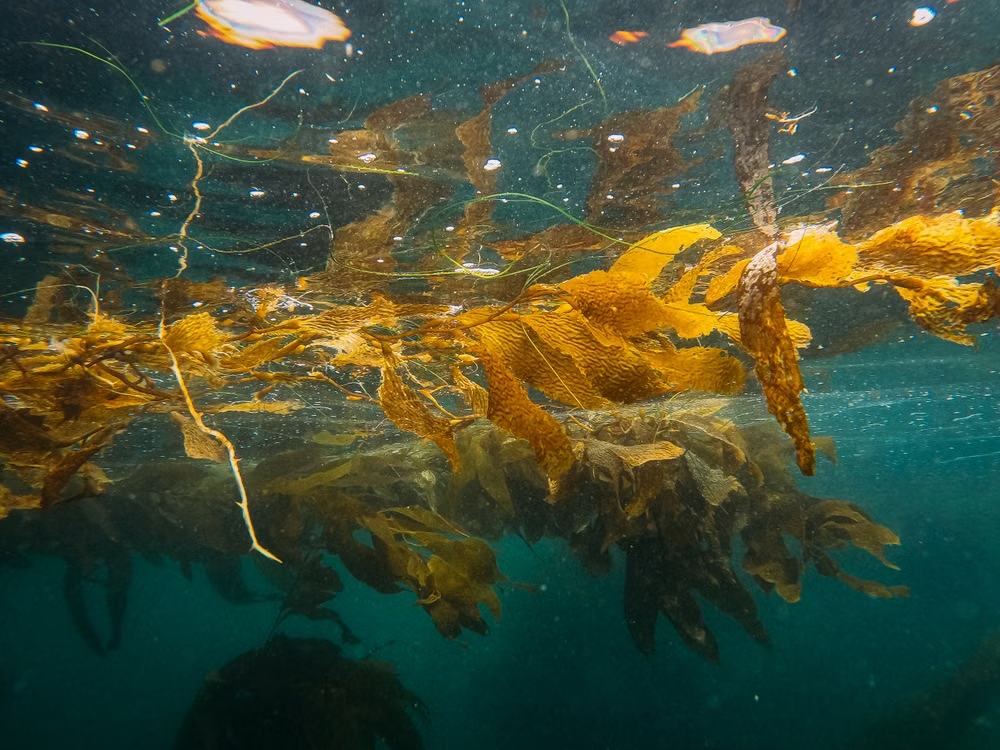
What washed ashore with the tides became an important source of income for generations of coastal communities. Families collected, dried, and burned seaweed to produce kelp ash, a valuable material used in manufacturing glass, soap, and other products.
The Irish kelp industry history tells a fascinating story of resourcefulness, hard work, and economic survival. For many households, kelp production was more than a seasonal occupation. It provided money to pay rent, purchase necessities, and support families living on land that was often difficult to farm.
Today, the remains of old kelp-burning sites and historical accounts offer an intriguing glimpse into an industry that once shaped everyday life along Ireland’s shores.
How Did Ireland’s Kelp Industry Begin?
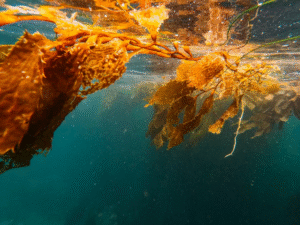
Kelp production became commercially important in Ireland during the eighteenth century, particularly as demand increased for alkaline substances used in industrial manufacturing.
Before modern chemical processes became widespread, manufacturers relied on plant ashes to obtain useful chemical compounds. Seaweed was especially valuable because burning it produced ash containing salts that could be processed for industrial purposes.
Ireland’s extensive coastline made seaweed a readily available resource. Communities along the western and northern coasts, including parts of Galway, Mayo, Sligo, Donegal, and Antrim, participated in kelp production.
For families with limited agricultural opportunities, the industry provided an additional means of earning money.
Understanding Irish kelp industry history reveals how closely coastal livelihoods were connected to international trade, even in remote communities far from Ireland’s major commercial centres.
From Seaweed to Ash: The Demanding Work Behind Kelp Production
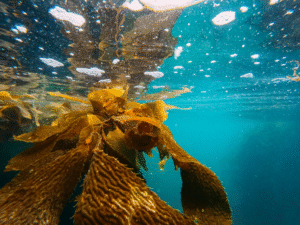
Producing kelp ash required considerable physical effort, patience, and knowledge of the coastline.
The process typically involved several stages:
1. Gathering Seaweed Along the Shore
Families collected seaweed exposed by low tides, washed ashore after storms, or harvested from accessible coastal waters.
Men, women, and children could all contribute to gathering and transporting the heavy, wet material.
2. Drying the Seaweed
Freshly collected seaweed contained substantial moisture, making it unsuitable for immediate burning.
Workers spread it across rocks, beaches, or suitable open ground to dry. Weather conditions played a major role, and persistent rainfall could delay production.
3. Burning the Dried Seaweed
Once sufficiently dry, the seaweed was burned in specially prepared pits or kilns.
The burning process required careful attention to produce a consolidated mass of kelp ash rather than simply allowing the material to disappear into loose ash.
4. Selling the Finished Kelp
The resulting material was sold to merchants who supplied manufacturers requiring alkalis and other chemical ingredients.
Although the process appears straightforward, producing commercially useful kelp demanded significant labour.
For families working long hours along exposed Atlantic shores, every successful batch represented an opportunity to earn much-needed income.
The Ash That Helped Irish Families Pay Their Rent
One of the most compelling aspects of Irish kelp industry history is its connection to household survival.
During the eighteenth and early nineteenth centuries, many coastal families depended on small agricultural holdings, fishing, seasonal employment, and whatever additional income they could secure.
Kelp production offered an important supplementary income.
In some coastal communities, money earned from kelp sales helped tenants meet rent obligations to landlords. It could also contribute towards purchasing food, clothing, farming supplies, and household essentials.
However, the benefits were not always distributed equally.
Merchants and landowners sometimes controlled access to markets or coastal resources, while the families performing the labour received comparatively modest returns.
Nevertheless, kelp remained economically significant because it allowed households to turn a locally available natural resource into something with commercial value.
For descendants researching their Irish ancestors, understanding these occupations can provide valuable context about how earlier generations survived.
Professional genealogy services in Ireland can help connect family histories with the economic circumstances and coastal industries that shaped their ancestors’ lives.
Why Did Ireland’s Kelp Industry Decline?
Despite its importance, Ireland’s kelp industry faced growing challenges during the nineteenth century.
Advances in industrial chemistry gradually changed how manufacturers obtained the substances previously supplied through seaweed ash.
The development and expansion of chemical manufacturing processes, including the Leblanc process for producing soda ash, introduced alternative sources of industrial alkalis.
As these methods became more commercially competitive, demand for traditional kelp ash declined.
Cheaper alternatives and changing manufacturing practices made labour-intensive coastal production increasingly difficult to sustain.
For communities that had relied on kelp earnings, the decline meant losing an important source of supplementary income.
The consequences were particularly serious in areas where farming opportunities were limited and households already depended on several seasonal occupations.
Although seaweed continued to have agricultural and other commercial uses, the traditional kelp-burning industry gradually lost its former economic importance.
Discovering Kelp Industry History Through Irish Genealogy
Historical occupations can reveal remarkable details about family life that names and dates alone cannot explain.
An ancestor described as a labourer, fisherman, or smallholder may also have participated in seasonal kelp harvesting.
Exploring Irish kelp industry history alongside family records can help researchers better understand the daily responsibilities and economic pressures experienced by coastal ancestors.
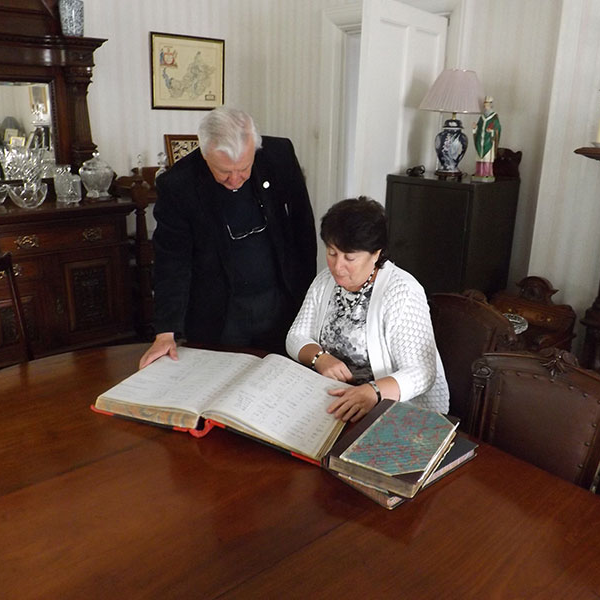
Useful sources may include historical newspapers, estate records, local histories, maps, parish records, and accounts of maritime communities.
These materials can help establish where kelp production occurred and how it influenced local employment.
For people interested in Ireland historical tours, visiting coastal communities associated with traditional industries can bring historical research into a more meaningful geographical context.
Similarly, Ireland cultural tours offer opportunities to explore the landscapes, traditions, and working environments that influenced generations of Irish families.
Those researching coastal ancestry may also benefit from historical tours Ireland experiences that connect documented family stories with relevant heritage locations.
For destinations such as Donegal, Kerry, and parts of Cork, a carefully planned self-drive journey can provide additional flexibility to explore dispersed coastal settlements and ancestral locations.
Ireland’s kelp industry may have faded, but its legacy remains part of the country’s rich coastal heritage.
The families who gathered seaweed, tended burning pits, and sold kelp ash contributed to an important chapter of Ireland’s economic and social history.
Their experiences remind us that family heritage extends beyond birth certificates and family trees. It also includes the occupations, landscapes, and everyday struggles that shaped previous generations.
At My Ireland Family Heritage, we bring genealogy research and heritage travel together under one roof.
As a one-stop shop for genealogy research and tours, our team includes qualified genealogists and tour guides who manage the entire experience in-house, from investigating your ancestral connections to helping you explore the places associated with your family history.
Our integrated approach means you work with one dedicated company rather than coordinating separate genealogy researchers and tour providers.
We offer genealogy services across the 32 counties of Ireland, alongside personalised heritage experiences, guided tours, and self-drive itineraries suited to your ancestral journey.
Whether your roots lead to a coastal village in Galway, a farming community in Cork, or a historic settlement elsewhere in Ireland, we can help you discover the stories behind your family name.
Your ancestors’ stories deserve to be discovered. Contact My Ireland Family Heritage today and begin a personalised journey into your Irish roots.