


Rural burial grounds across Ireland hold remarkable clues for anyone exploring their roots. Irish graveyard discoveries often reveal more than names and dates. They uncover migration stories, social status, family connections, and deeply personal moments that never made it into official records. For heritage travellers, these resting places become powerful starting points for understanding ancestors in their true local context.
Inscriptions That Tell Untold Stories
Many Irish headstones include details absent from civil records, such as townlands, occupations, or nicknames. In areas shaped by the Irish potato famine, inscriptions sometimes reference those who died abroad, connecting families split across continents. These details help bridge gaps when paper trails fall silent, especially for families tracing pre-1900 lineages.
Symbols Etched in Stone
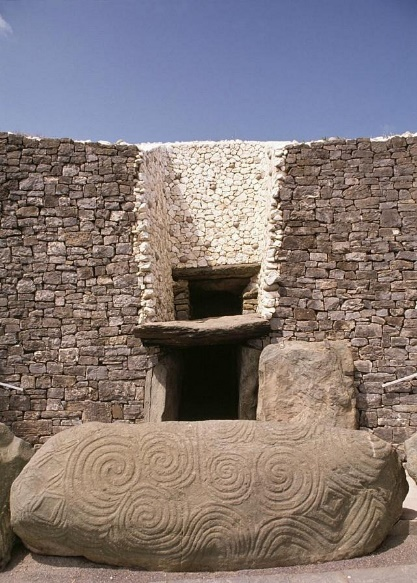
Grave markers often feature carved symbols that reflect faith, trade, or social standing. Crosses, shamrocks, clasped hands, and tools offer insight into community roles and beliefs. When studied alongside ancestry research, these symbols help genealogists confirm family links and better understand the environment ancestors lived and worked within.
Family Groupings and Plot Clues
Irish graveyards frequently reveal multi-generational plots, even when individual records are missing. Proximity between graves can identify extended families, in-laws, and previously unknown relatives. This spatial evidence strengthens conclusions drawn from parish registers and census returns, transforming names into visible family networks.
Famine-Era Markers and Memorials
Mass graves, unmarked plots, and simple stones often point to periods of hardship. Understanding Irish famine workhouse facts allows researchers to interpret why certain burials lack detail or why children’s graves appear in clusters. These discoveries add emotional depth to family histories and place ancestors within wider national events.
From Headstones to Heritage Routes
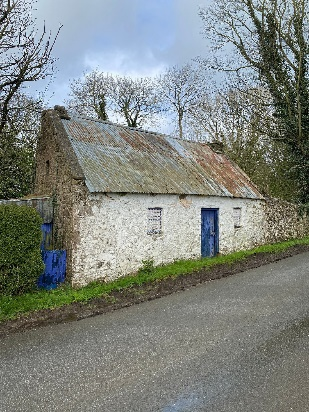
Graveyard findings rarely stand alone. They connect directly to homesteads, churches, and villages still visible today. When combined with Ireland’s history tours, these sites create meaningful heritage routes that allow visitors to stand where their ancestors lived, worshipped, and were laid to rest.
Why Graveyards Matter in Genealogy
Irish graveyards act as living archives, especially for families affected by loss, migration, or incomplete documentation. Each discovery provides context that transforms research into a personal narrative. For descendants visiting Ireland, these moments often become the most memorable part of their journey.
Bringing Discoveries to Life Through Heritage Travel
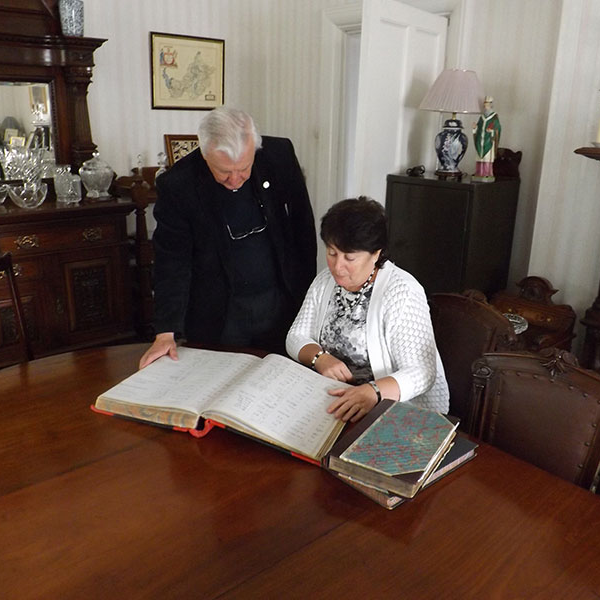
Graveyard research is most powerful when paired with expert guidance and local knowledge. By interpreting inscriptions, symbols, and burial patterns, heritage specialists turn quiet burial grounds into vivid chapters of family history.

At My Ireland Family Heritage, we transform Irish graveyard discoveries into meaningful journeys across Ireland. We combine genealogy research in Ireland with immersive Irish ancestry and genealogy tours, helping families connect records to real places.
Our team designs personalised family tours of Ireland that include graveyard visits, ancestral homesteads, and historic communities. We proudly provide our services across all 32 counties in Ireland, ensuring each journey reflects authentic local history.
Get in touch with us and let us guide you from stone inscriptions to unforgettable heritage experiences.