


For many descendants of Irish emigrants, understanding Irish Famine ancestry begins with records but becomes truly meaningful when those records lead to real places. The Great Famine reshaped Ireland and scattered families across the world. Visiting the locations connected to this period offers historical clarity, emotional resonance, and a deeper appreciation of ancestral resilience.
The Great Famine and Forced Migration
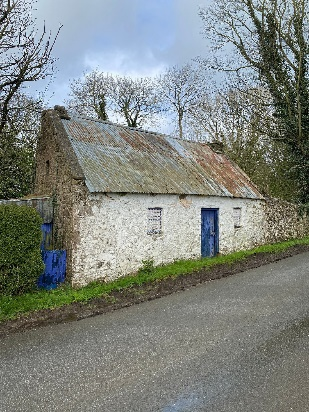
Between 1845 and 1852, crop failure, poverty, and political conditions triggered mass displacement. This period of Irish potato famine migration resulted in millions leaving their homes, often under desperate conditions. Entire communities vanished from rural townlands as families sought survival abroad. Understanding this context helps descendants recognise why records abruptly end and why emigration occurred so suddenly.
Workhouses: Where Survival Was Measured Daily
Workhouses were central to famine-era relief efforts, though conditions were harsh. Learning Irish famine workhouse facts provides insight into the realities ancestors faced before emigration or death. Many surviving registers reveal family separations, illness, and transfers to ports. Visiting restored workhouse sites allows descendants to visualise these experiences while connecting documented names to physical spaces.
Ports of Departure and Emigrant Landscapes
Ireland’s coastal ports became gateways to uncertain futures. Locations such as Cork, Galway, and Limerick processed thousands of famine emigrants. These sites are integral stops on meaningful historical tours in Ireland, helping visitors understand the logistics and emotional weight of departure. Standing where ancestors boarded ships often becomes one of the most powerful moments of a heritage journey.
Memorials and National Remembrance
The famine’s legacy is honoured across Ireland through memorials and interpretive sites. The Irish famine memorial in Dublin symbolises collective loss and remembrance, offering context beyond individual family stories. These memorials frame genealogy within national history, reminding visitors that personal ancestry is part of a much larger human story.
From Records to Routes: Connecting Research to Place
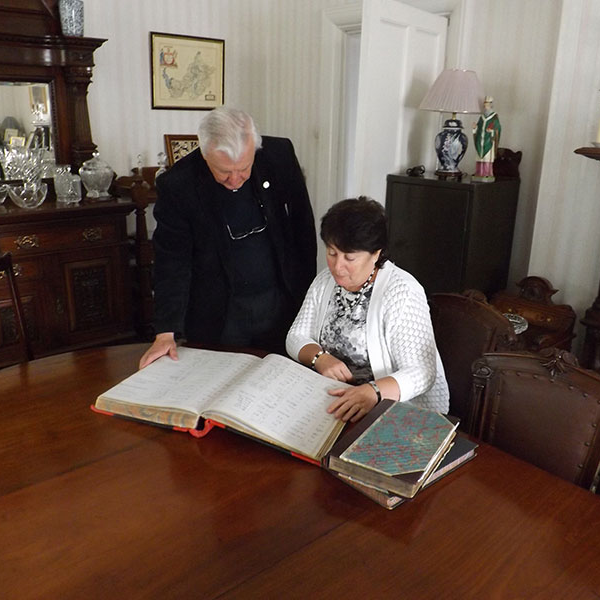
Archival research reveals who left and when, but geography explains how and why. Combining genealogy research in Ireland with guided site visits transforms lists of names into lived experiences. Workhouses, ports, burial grounds, and abandoned villages form connected landscapes that reflect ancestral choices shaped by hardship.
Walking the Paths Your Ancestors Knew
Modern heritage travel bridges academic research with emotional discovery. Carefully planned Ireland history tours allow descendants to move through famine-era environments while learning how social structures, land systems, and relief policies affected daily life. These journeys help visitors understand not only where ancestors lived, but how they endured.
Why These Journeys Matter Today
Famine-era travel deepens empathy and identity. It contextualises migration stories often passed down without explanation and replaces uncertainty with understanding. For descendants worldwide, visiting famine landscapes offers clarity, connection, and respect for the sacrifices that shaped future generations.

A Guided Path Forward
At My Ireland Family Heritage, we help families trace Irish Famine ancestry through expert ancestry research, detailed route planning, and immersive Irish ancestry and genealogy tours.
Our tailored experiences link records to real places across all 32 counties in Ireland, combining historical accuracy with meaningful travel. We design journeys that honour hardship while celebrating survival, guiding visitors through ports, workhouses, memorials, and ancestral landscapes.
With our support, families transform historical loss into understanding, connection, and lasting remembrance through carefully curated family tours of Ireland that reflect both personal heritage and Ireland’s defining history.
Get in touch with us to start today.