
Researching Irish ancestry can begin with a surname, an old family story or a place name passed down through generations. If your family has connections to counties such as Armagh, Down or Tyrone, Northern Ireland genealogy research can help turn those fragments into a clearer picture of where your ancestors lived and how their lives fitted into the wider history of Ireland.
However, Irish family history rarely fits neatly within modern borders. Families moved between counties, emigrated overseas and maintained connections across the island. That means successful research should look beyond Northern Ireland when necessary and consider records and locations throughout all 32 counties.
For anyone interested in tracing your Irish roots, good preparation is the key to turning names and dates into a meaningful family story.
Start With What Your Family Already Knows

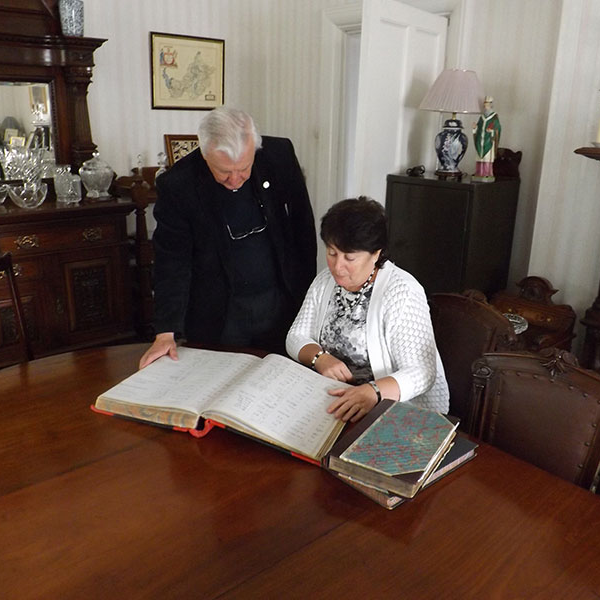
Before searching archives, gather as much information as possible from home. Speak with older relatives, examine family Bibles, certificates, photographs, letters, newspaper cuttings and immigration documents.
Try to establish:
- Full names and possible spelling variations
- Approximate birth, marriage and death dates
- Religious denomination
- Occupations
- Names of spouses, parents and siblings
- Counties, parishes, towns or townlands associated with the family
A county is useful, but a parish or townland can make research significantly more focused. Someone who knows only that an ancestor came from County Armagh, for example, may have a large number of possibilities to investigate. Identifying a smaller locality can make it easier to distinguish between people with similar names.
Understand the Geography Behind Northern Ireland Genealogy Research
Modern Northern Ireland consists of six historic counties: Antrim, Armagh, Down, Fermanagh, Londonderry/Derry and Tyrone. When conducting Northern Ireland genealogy research, however, researchers should also pay attention to older geographical divisions such as civil parishes, townlands and registration districts.
These locations are often more useful genealogically than modern towns or administrative boundaries.
County Armagh, for instance, may be the starting point, but records could eventually identify a particular parish, church or townland. Once that happens, the research becomes much more personal. Instead of simply knowing an ancestor was “from Armagh”, you may be able to identify the community in which the family actually lived.
Explore Civil, Census and Church Records

Could your family story lead you to Armagh or another corner of Northern Ireland? Explore the essential starting points for genealogy research and discover how historical clues can guide both your research and future travels.
Civil registration and church records are central to Irish family history research. The General Register Office for Northern Ireland holds civil birth, death and marriage records relating to Northern Ireland, while the Public Record Office of Northern Ireland, or PRONI, preserves a wide range of historical resources including church registers, wills, estate records and other family-history material.
The 1901 and 1911 censuses are particularly valuable because both cover the entire island of Ireland and can provide details such as age, occupation, religion, family relationships and place of residence. They can also help researchers study neighbours and the wider communities in which ancestors lived.
Be prepared to experiment with surname spellings. Names were not always recorded consistently, and official Irish genealogy guidance recommends trying variations when searching historical church records.
Look Beyond the Six Northern Counties
Even if your research begins in Northern Ireland, it should not automatically end there.
The majority of Ireland’s counties are in the Republic of Ireland, and many families had connections that crossed today’s border. Marriage, employment, migration and extended family relationships may lead research into places such as Dublin, Galway, Clare, Cork, Kerry, Mayo or other counties.
Someone researching a family branch in Armagh, for example, might discover that an earlier generation came from another part of Ireland or that relatives later settled elsewhere.
The Republic also offers extensive genealogical resources. IrishGenealogy.ie provides access to searchable civil and church records, while the National Archives of Ireland offers census collections and other sources useful for building family histories.
Expanding Your Search: Clare Ireland Genealogy and Other Counties
Research can sometimes uncover an unexpected connection far from the place where your search began. A family thought to be entirely associated with Northern Ireland might have earlier links to another county.
For those pursuing Clare Ireland genealogy, for example, identifying the correct parish, townland and family relationships before travelling can make a future visit much more worthwhile. The same principle applies throughout the Republic.
Rather than choosing destinations first, let the records determine where you go.
Turn Genealogy Research Into a Meaningful Visit
One of the most rewarding stages of family history research comes when documentary evidence can be connected with a real place.
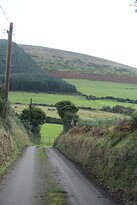
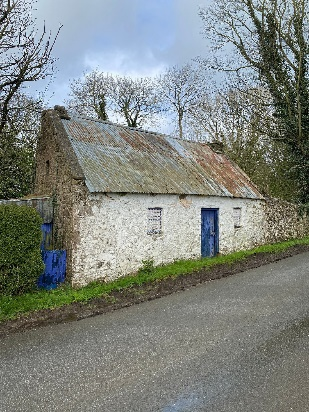
Research may reveal an ancestral townland, church, cemetery, former family property or village. Visiting these locations can transform genealogy from something viewed on a screen into a tangible experience.
This is where carefully researched history tours of Ireland can offer much more than general sightseeing. Instead of following a standard tourist itinerary, your journey can be shaped around places genuinely connected to your family history.
There is also value in combining genealogy with broader Ireland cultural tours. Understanding local history, landscapes, traditions and communities provides context for the lives your ancestors may have experienced.
Some destinations require different travel planning. In areas such as Donegal, for example, a self-drive itinerary can provide greater flexibility for reaching dispersed ancestral locations. Longer journeys may also be more practical for parts of Kerry and Cork where family-history sites are spread across wider distances.
Research First, Travel Second
The most productive heritage journey usually begins long before arriving in Ireland. Establishing names, dates, relationships and locations beforehand gives your visit a clear purpose and reduces the risk of spending valuable travel time searching in the wrong area.
Whether your ancestry leads to Armagh, Clare, Cork, Dublin or several counties across the island, professional research can help connect individual records into a coherent family story.
If you’re looking for professional genealogy research, look no further than My Ireland Family Heritage. Our research can help uncover the people and places behind your Irish ancestry before you begin planning your journey.
My Ireland Family Heritage offers one-day family heritage tours across the 32 counties of Ireland, alongside comprehensive genealogy tours, family history tours and cultural tours tailored around your discoveries. For destinations where longer distances make a traditional one-day tour less practical, including Donegal, self-drive options can provide greater freedom to explore.
Start tracing your Irish roots with careful research, then experience the towns, landscapes and communities that helped shape your family’s story. Reach out to our team today to learn more.