
When tracing family history in Ireland, small details often reveal the most meaningful insights. One such detail is proximity to the local parish church. Through Irish parish records, it becomes possible to understand not only where ancestors lived, but how they structured their daily lives around faith, community, and survival.
For many Irish families, especially in rural areas, the distance to church was not simply a matter of convenience. It influenced routines, relationships, and even long-term settlement patterns.
The Central Role of the Parish in Daily Life
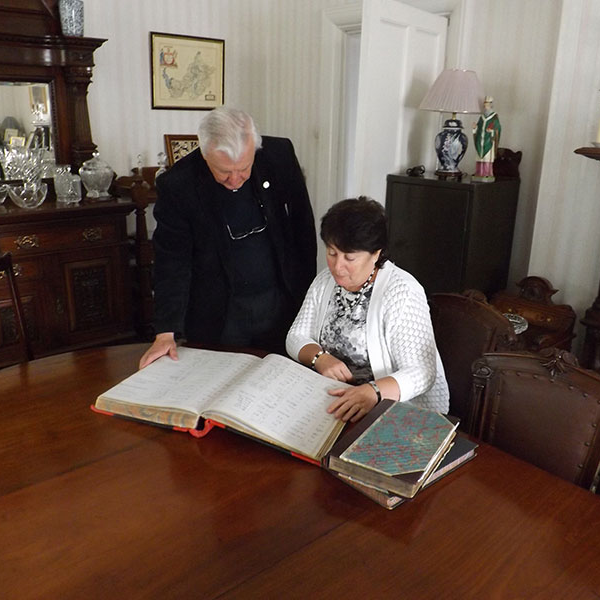
In Ireland, the parish was more than a place of worship. It served as the heart of the community, where baptisms, marriages, and burials were recorded. These records now form a cornerstone of Irish parish records, offering invaluable insights into family connections.
Because most families travelled on foot, they typically attended the nearest church. This means that parish records often reflect the immediate geographic area where a family lived. By identifying the parish tied to your ancestors, it becomes easier to narrow down their place of residence.
This is particularly useful when combined with genealogy in Ireland, where parish boundaries often align closely with local communities.
Walking Distance as a Clue to Residence
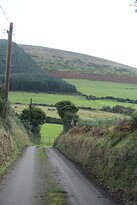
In rural Ireland, walking was the primary mode of transport well into the twentieth century. Families generally attended a church within a reasonable walking distance, often no more than a few miles from home.
This makes parish records a powerful tool for locating ancestral homes. If a family consistently appears in one parish, it suggests they lived nearby. When records show a shift to another parish, it may indicate relocation.
In regions studied through County Mayo genealogy, for example, families often remained within the same parish for generations, reflecting stable settlement patterns. This consistency allows researchers to build a clearer picture of ancestral life.
Understanding Community Boundaries
Parish boundaries often defined the limits of a community. Families living on the edge of a parish might attend a different church depending on terrain, roads, or personal preference.
This nuance is important in Irish parish records, as it explains why some families appear in multiple parishes over time. It does not always indicate migration, but rather proximity to parish borders.
For example, research in County Armagh genealogy highlights how natural features such as rivers or hills influenced parish attendance. These factors shaped daily routines and community interactions.
Social and Economic Insights
The distance to church can also reveal aspects of a family’s social and economic status. Those living closer to the parish centre may have resided in more established or accessible areas, while those farther away might have lived in more remote or marginal lands.
In County Clare genealogy, for instance, families in isolated areas often faced longer journeys to church, reflecting both geographic and economic challenges. These distances can provide context for understanding hardship, resilience, and community ties.
Such insights go beyond names and dates, offering a more complete view of ancestral life.
Seasonal Challenges and Daily Routines
Walking to church was not always straightforward. Weather conditions, particularly in rural Ireland, could make travel difficult. Rain, mud, and uneven terrain often turned a simple journey into a demanding task.
Despite these challenges, regular attendance remained important. This commitment underscores the central role of faith and community in daily life.
Through Irish parish records, researchers can begin to imagine these routines. A baptism recorded shortly after birth, for example, may indicate proximity to the church, while delays could suggest a longer or more difficult journey.
Marriage Patterns and Parish Proximity
Parish records also shed light on marriage patterns. Couples often married within their own parish or a neighbouring one, reflecting social networks shaped by proximity.
When analysing Northern Ireland genealogy, for example, it is common to see marriages between individuals from adjacent parishes. This suggests that walking distance influenced not only worship but also relationships and family formation.
Understanding these patterns helps researchers trace connections between families and communities.
Migration Within and Beyond Parishes
Changes in parish records can indicate movement. A sudden appearance in a new parish may reflect relocation due to marriage, work, or economic necessity.
Insights from Irish famine workhouse facts show how the Great Famine disrupted traditional settlement patterns. Families were often forced to move, and parish records can capture these transitions.
By tracking these changes, researchers can better understand the forces that shaped their ancestors’ lives.
Linking Parish Records with Other Sources
While Irish parish records are invaluable, they are most effective when used alongside other sources. Land records, census data, and local histories can provide additional context.
For those tracing my Irish roots, combining parish data with these records helps confirm locations and build a more accurate family narrative. It allows researchers to move beyond assumptions and develop a well-supported understanding of their heritage.
This approach is particularly important in areas with common surnames, where parish proximity can help distinguish between different family lines.
Why Distance Matters in Genealogy
Distance is more than a physical measurement. It reflects relationships, routines, and realities of life in historical Ireland. By considering how far ancestors travelled to church, researchers gain insights into their environment and choices.
This perspective enhances the value of Irish parish records, turning them into more than just lists of names. They become a window into the lived experiences of past generations.
Understanding these dynamics is essential for anyone seeking a deeper connection to their Irish heritage.
Start Exploring Irish Parish Records to Bring Family History to Life
Understanding ancestral life through Irish parish records requires careful research and local expertise.
At My Ireland Family Heritage, we combine detailed Irish ancestry research, trusted genealogy services in Ireland, immersive history tours of Ireland, and personalised family history tours to bring your story to life.
We proudly offer our services across all 32 counties in Ireland, helping families uncover where ancestors lived, how they travelled, and the communities that shaped their lives.