
When beginning genealogical research, many people assume that sharing a surname means sharing a common lineage. However, in Ireland, this assumption often leads to confusion. Through Irish surname research, it becomes clear that two families with the same name can have entirely different origins, histories, and life experiences.
Understanding why this happens is essential for anyone seeking to uncover accurate and meaningful family connections.
The Origins of Irish Surnames
Irish surnames are among the oldest in Europe, often derived from Gaelic clan systems. Names typically originated from a common ancestor, occupation, or geographic location. Prefixes such as “O’” and “Mac” indicated lineage, meaning “descendant of” or “son of.”
While this system initially connected families through shared ancestry, over time, surnames spread far beyond their original clans. This expansion complicates Irish surname research, as identical names may no longer point to a single family line.
In many cases, the same surname developed independently in different regions, creating separate family histories under one shared name.
Regional Separation and Identity
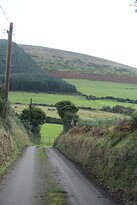
Geography plays a significant role in understanding Irish surnames. Families with the same surname often lived in entirely different counties, with no direct connection between them.
For example, research in County Cavan genealogy may reveal one branch of a surname rooted in agricultural life, while records in another county show a completely different social and economic background. These regional differences shaped unique identities, traditions, and life experiences.
Exploring genealogy in Ireland requires careful attention to location. Without it, it becomes easy to merge unrelated family lines simply because they share a surname.
The Impact of Anglicisation
During British rule, many Irish surnames were anglicised, meaning they were altered to fit English spelling and pronunciation. This process led to multiple Gaelic names being standardised into similar or identical forms.
As a result, different original surnames were transformed into the same English version. This is a key challenge in Irish surname research, as it masks distinct family origins beneath a shared spelling.
For instance, two families with the same modern surname may have entirely different Gaelic roots. Without examining historical records and original forms, these differences can remain hidden.
Migration and Displacement
Migration within Ireland also contributed to the spread of surnames. Families often moved due to economic pressures, land changes, or social factors. Over time, surnames became established in new areas, further complicating their origins.
The effects of the Great Famine intensified this movement. Many families relocated internally before eventually emigrating abroad. Insights from Irish potato famine immigration records show how surnames dispersed across regions and countries.
As a result, two families with the same surname in different locations may have arrived there through entirely separate migration paths.
The Role of Land and Social Status
Land ownership and economic conditions also shaped family histories. Even when surnames matched, differences in landholding could indicate distinct social standings and lifestyles.
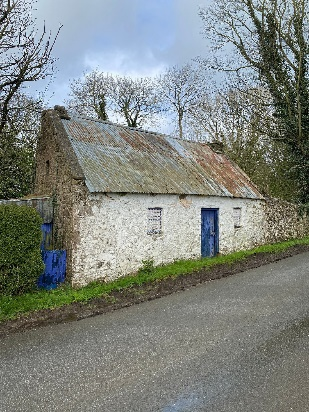
In studies of County Monaghan genealogy, for example, some families with the same surname appear as small tenant farmers, while others held larger, more stable farms. These differences influenced daily life, opportunities, and long-term outcomes.
Such contrasts reinforce the idea that a shared surname does not equate to a shared story. Each family’s experience was shaped by unique circumstances.
Variations in Record Keeping
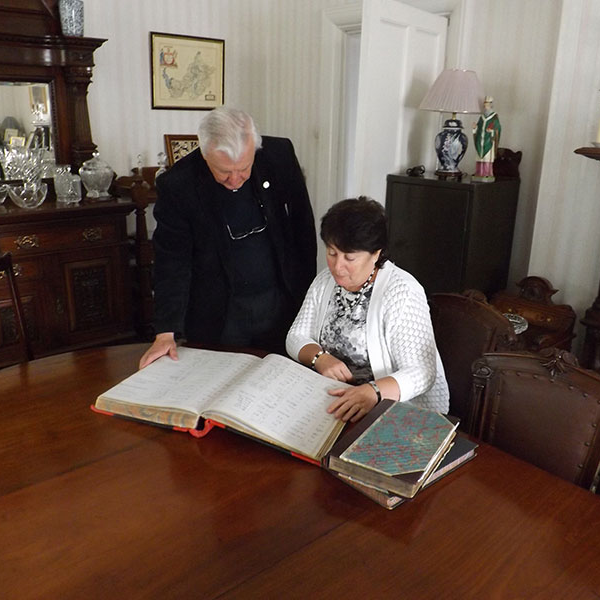
Historical records in Ireland are often incomplete or inconsistent. This adds another layer of complexity to surname research. Spellings may vary across documents, and some records may be missing entirely.
This is especially true when exploring Northern Ireland genealogy, where historical events and administrative changes affected record preservation. As a result, tracing a surname requires careful cross-referencing and verification.
Relying solely on a name without supporting evidence can lead to inaccurate conclusions and mistaken identities.
Cultural and Clan Distinctions
Even within the same surname, cultural differences could exist. Clans and family groups developed their own customs, alliances, and histories. These distinctions were often tied to specific regions and communities.
Understanding these nuances is essential in Irish surname research. It allows researchers to distinguish between families who share a name but not a cultural or historical background.
By examining local traditions and historical context, it becomes possible to uncover the unique identity of each family line.
Why Surnames Alone Are Not Enough
While surnames provide a useful starting point, they are only one piece of the puzzle. Accurate genealogy requires a combination of records, context, and analysis.
This includes land records, parish registers, and migration documents. Together, these sources help build a complete and accurate picture of a family’s history.
Whether exploring genealogy services in Ireland or conducting independent research, it is essential to approach surnames with caution. Assumptions based solely on shared names can lead to incorrect conclusions.
Building a Complete Family Narrative
The true value of genealogy lies in understanding the full story behind a name. This involves connecting individuals to places, events, and experiences that shaped their lives.
Through detailed research, it becomes possible to uncover the differences that set families apart, even when they share a surname. These differences are what make each family history unique and meaningful.
By embracing this complexity, researchers can move beyond surface-level connections and discover the rich diversity within Irish heritage.
Start Your Journey into Accurate Irish Surname Research Today
Uncovering the truth behind a shared surname requires expertise, precision, and a deep understanding of Irish history.
At My Ireland Family Heritage, we specialise in accurate Irish surname research, combining detailed Irish genealogy research, immersive ancestry travel tours, and personalised family history tours. We proudly provide genealogy research and heritage touring services across all 32 counties in Ireland.
Let us help you separate fact from assumption and discover the unique story behind your family name. Get in touch with us.