
For many people exploring their roots, a surname is often the first clue in uncovering family history. Understanding Irish surname origins can open the door to deeper insights about ancestry, including Irish clan connections, regional ties, and historical identity. While a name may seem simple on the surface, it often carries centuries of meaning shaped by Ireland’s rich and complex past.
By decoding surnames, individuals can begin to trace their lineage more accurately and connect with the communities their ancestors once called home.
The Meaning Behind Irish Surnames
Irish surnames are among the oldest hereditary surnames in Europe, with many dating back over a thousand years. Traditionally, these names were derived from a person’s father, occupation, physical traits, or even personality.
Prefixes such as “Ó” and “Mac” are key indicators of lineage. “Ó” means “descendant of,” while “Mac” translates to “son of.” These elements are essential in understanding Irish surname origins, as they connect individuals to specific family lines and ancestral figures.
Over time, many of these names were anglicised, particularly during periods of British rule. This often led to variations in spelling, making modern Irish ancestry research more complex but also more fascinating.

Clan Connections and Family Identity
In early Irish society, surnames were closely linked to clans or extended family groups. These clans often held territories and maintained strong cultural identities tied to specific regions.
Understanding clan associations can provide valuable direction for genealogical research. For example, a surname might indicate connections to a particular region, such as Munster or Connacht. This helps researchers narrow their search and focus on relevant historical records.
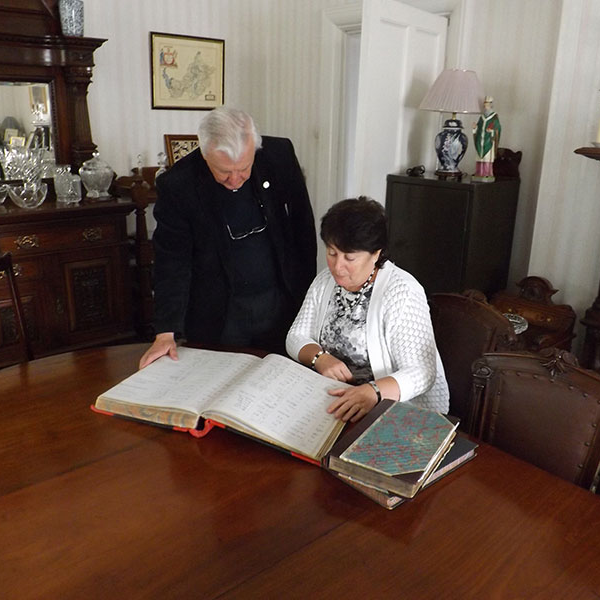
Many individuals turn to genealogy services in Ireland to explore these connections in detail, as professional research can uncover links that are not immediately visible through basic records.
Regional Ties and Migration Patterns
Irish surnames are often deeply connected to geography. Certain names are strongly associated with specific counties, reflecting where families lived for generations.
For instance, surnames linked to western regions may guide researchers towards sources related to County Mayo genealogy, while others might point towards coastal or northern counties. These regional clues are essential in building an accurate family tree.
Exploring genealogy in Ireland involves examining parish records, land documents, and historical archives that are often organised by location. Understanding the regional roots of a surname can make this process far more efficient.

Challenges in Tracing Irish Surnames
While surnames provide valuable clues, they can also present challenges. Variations in spelling, incomplete records, and historical disruptions such as the loss of census data have made research more difficult.
Additionally, some surnames are very common, making it harder to distinguish between different family lines. In these cases, combining surname research with other details such as locations, occupations, and family connections becomes essential.
Using Surnames to Guide Genealogical Research
A surname should be seen as a starting point rather than a final answer. When combined with historical context, migration patterns, and documented records, it becomes a powerful tool for uncovering the past.
Professional researchers often use surnames alongside parish registers, land records, and civil documentation to build comprehensive family trees. This approach allows for a deeper understanding of lineage and helps avoid common research pitfalls.
Through Irish genealogy research, individuals can move beyond basic name searches and uncover the stories behind their ancestors’ lives, including their roles within communities and the challenges they faced.
The Cultural Significance of Irish Names
Irish surnames are more than identifiers. They are symbols of heritage, resilience, and identity. Despite centuries of change, many families have retained connections to their ancestral names, preserving a link to Ireland’s history.
For descendants living abroad, reconnecting with these names offers a sense of belonging and cultural pride. It also provides an opportunity to explore Ireland not just as a place, but as a living part of personal identity.
Understanding Irish surname origins allows individuals to rediscover these connections and gain a deeper appreciation for their heritage.

Unlock The Past Hidden Within Your Irish Surname Today
At My Ireland Family Heritage, we believe that every surname holds a story waiting to be uncovered. Through our expert Irish genealogy research, we help you explore the true meaning behind Irish surname origins and connect with your ancestral past.
Our experienced team provides trusted genealogy services in Ireland, guiding you through records, archives, and historical insights to build a clearer picture of your family history. Whether your journey leads to County Meath genealogy, County Cavan genealogy, or requires the expertise of a genealogist in Northern Ireland, we are here to support you.
We proudly offer our services across all 32 counties in Ireland, combining detailed research with personalised heritage touring experiences.