

When we examine Irish migration patterns, we uncover far more than simple stories of departure. Migration was rarely a sudden or impulsive act. Instead, it was often a carefully planned survival strategy, shaped by economic hardship, land pressures, and the need to protect future generations.
For many Irish families, leaving home was not about abandoning their roots—it was about preserving them. Through thoughtful planning and coordination, families created systems that allowed them to survive both at home and abroad.
The Pressures That Forced Families to Act
Ireland’s rural population faced constant challenges, particularly in the 18th and 19th centuries. Limited land, rising rents, and dependence on agriculture made survival increasingly difficult.
As families grew, landholdings were often subdivided into smaller and less viable plots. This made it nearly impossible for all children to remain at home and sustain themselves.
In regions studied through Roscommon genealogy research, for example, families frequently faced harsh environmental conditions alongside economic strain. These pressures made migration not just an option, but a necessity.
Staggered Migration: A Calculated Approach
One of the most fascinating aspects of Irish migration patterns is the concept of staggered emigration. Rather than entire families leaving at once, individuals would migrate in stages.
Typically, a younger family member—often a son or daughter—would go first. Their role was to:
- Find work
- Establish a stable income
- Send money home
- Help fund the passage of other relatives
This approach reduced financial risk. If the first migrant succeeded, others could follow with greater security. If not, the family still retained its base at home.
The Role of Remittances
Money sent home, known as remittances, played a critical role in sustaining families who remained in Ireland. These funds were used to:
- Pay rent or debts
- Support younger siblings
- Improve living conditions
- Finance further migration
In many cases, remittances became the backbone of rural survival. Families relied on them to bridge the gap between limited local resources and growing needs.
This dynamic is often revealed through Irish ancestry research, where records show repeated connections between emigrants and those who stayed behind.
Migration Chains and Community Networks
Staggered migration often evolved into chain migration. Once one family member settled abroad, they created a pathway for others—not just relatives, but neighbours as well.
Entire communities from specific areas in Ireland ended up in the same cities overseas. This is particularly evident in studies of County Cavan genealogy, where clusters of families migrated to shared destinations.
These networks provided:
- Job opportunities
- Housing support
- Social familiarity
- Cultural continuity
Migration, therefore, was not an isolated experience. It was deeply communal and interconnected.
Gender Roles in Migration Decisions
While men often migrated first, women played an equally important role in Irish migration patterns. In many cases, young women emigrated to work in domestic service, particularly in cities like New York or Boston.
Their earnings were crucial to family survival. Women frequently sent money home and contributed to funding the migration of siblings.
Research in areas connected to County Armagh genealogy shows that female migration was not only common but strategically significant. It highlights how entire families worked together, regardless of gender, to navigate hardship.
The Emotional Cost of Strategic Migration
While staggered migration reduced financial risk, it came with a heavy emotional toll. Families were often separated for years, sometimes permanently.
Parents watched children leave without knowing if they would ever return. Siblings grew up apart, connected only through letters and shared memories.
Understanding this emotional dimension is essential when studying Irish migration patterns. These were not just economic decisions—they were deeply human ones, filled with hope, fear, and resilience.
Land, Inheritance, and Who Stayed Behind
Migration decisions were also influenced by inheritance practices. Typically, one child—often the eldest son—would inherit the family farm, while others were expected to seek opportunities elsewhere.
This system ensured that land remained intact rather than being endlessly divided. However, it also meant that migration was built into the family structure.
In many cases, those who stayed behind depended heavily on those who left, reinforcing the interconnected nature of family survival strategies.
The Long-Term Impact on Irish Identity
The effects of these migration strategies are still visible today. Irish communities around the world—from the United States to Australia—are the result of these carefully planned movements.
By studying Irish migration patterns, we gain insight into how Irish identity evolved beyond the island itself. Migration did not erase cultural ties; it expanded them.
Families maintained connections across oceans, creating a global network of shared heritage.
Tracing Migration Through Records
For those researching their ancestry, understanding migration strategies can unlock new discoveries. Key records include:
- Passenger lists
- Census data abroad
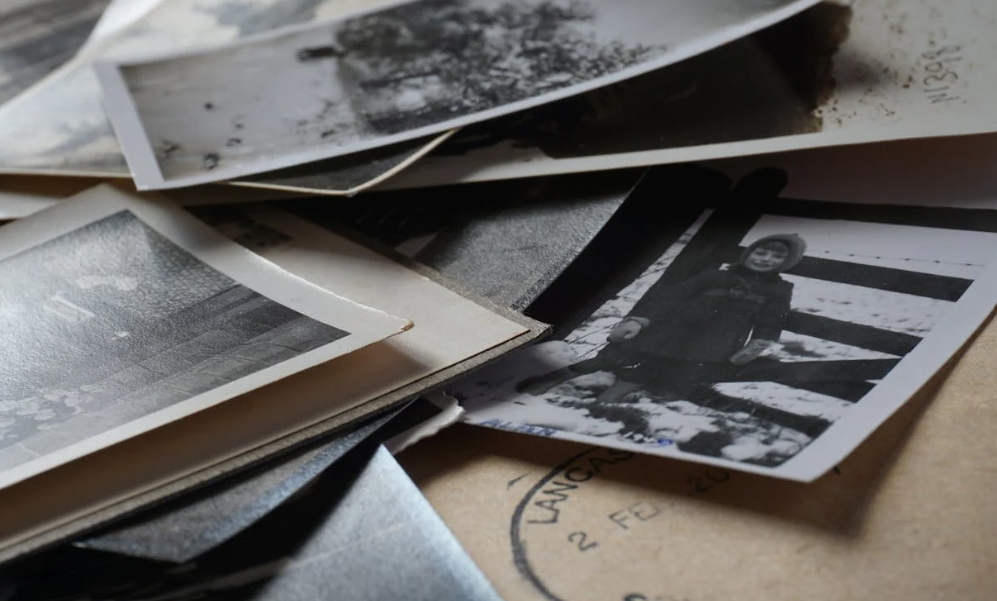
- Letters and family documents
- Remittance records
Combining these with Irish sources allows for a fuller picture of how and why families moved.
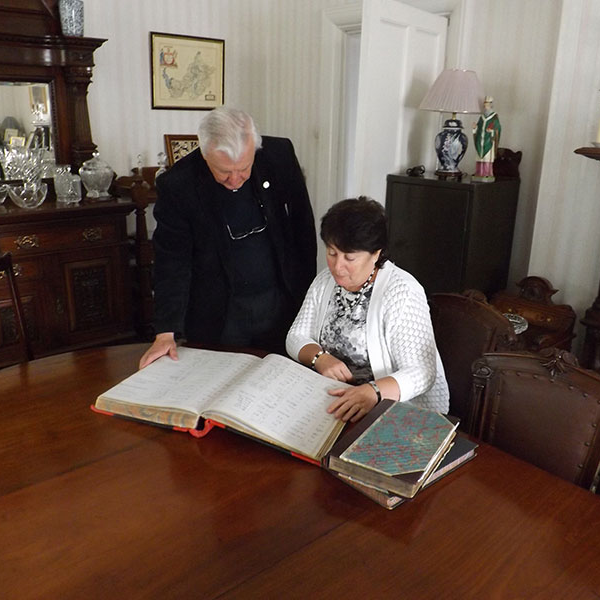
Experts in Irish genealogy research and broader research fields can help interpret these patterns, ensuring that your family’s story is accurately reconstructed.
Begin Your Journey with Us
At My Ireland Family Heritage, we help you uncover the deeper meaning behind your family’s migration story. Through our expertise in Irish ancestry research, family history tours, and ancestry travel tours, we connect historical records with real-world experiences.
We don’t just trace names—we reveal journeys, decisions, and the strategies that shaped your family’s path. Whether your ancestors left from rural communities or urban centres, we bring their story to life.
Working across all 32 counties in Ireland, we guide you every step of the way—from research to meaningful travel experiences—so you can truly understand where you come from and why your family’s journey matters.
Get in touch with us today.