

When exploring your roots, Irish townland research opens a door that many travellers never realise exists. While cities and famous landmarks attract attention, the true heartbeat of Ireland lies in its smallest geographical units—townlands. These ancient divisions, often unchanged for centuries, provide an incredibly precise way to locate where your ancestors lived, worked, and built their lives.
Unlike modern addresses, townlands reflect a time when communities were deeply connected to the land. Understanding them is key to uncovering not just where your ancestors were from, but how they lived day to day.
What Exactly Is a Townland?
A townland is the smallest administrative division of land in Ireland, often dating back to Gaelic times. There are over 60,000 townlands across the island, each with its own unique name and history.
These names often describe physical features, ownership, or historical events. For example, a townland name might refer to a hill, a fort, or even a local family that once held influence there. This makes Irish townland research incredibly valuable, as it connects geography with personal history.
When you identify a townland tied to your ancestors, you move beyond general locations and step into a highly specific, meaningful place.
Why Tourist Trails Miss the Real Story
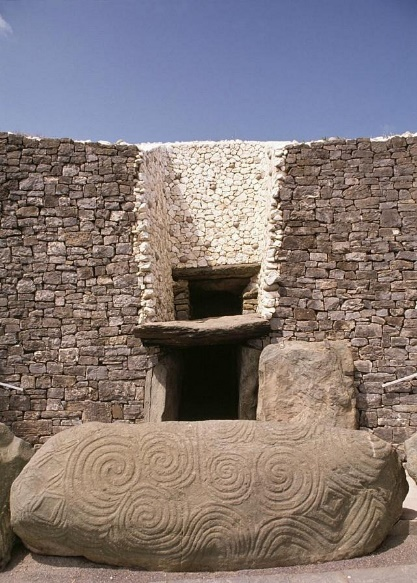
Many visitors to Ireland follow well-known routes—Dublin, Galway, the Cliffs of Moher—but these locations rarely tell individual family stories. While beautiful, they represent a shared national heritage rather than a personal one.
Your family’s story is far more likely to be rooted in a quiet rural townland, perhaps miles away from major attractions. This is where genealogy in Ireland becomes transformative. It shifts your journey from sightseeing to storytelling.
By focusing on townlands, you uncover the Ireland your ancestors actually knew—fields they worked, roads they walked, and communities they belonged to.
Connecting Townlands to Family Identity
One of the most fascinating aspects of Irish townland research is how it reveals identity beyond surnames. Two families with the same name might have lived in entirely different townlands, with no relation at all.
This is especially important when conducting Irish ancestry research, where common surnames can lead to confusion. A townland acts as a precise anchor, distinguishing one family line from another.
For example, tracing roots through County Meath genealogy may lead you to several families with the same surname. However, identifying the exact townland ensures you are following the correct lineage.

Daily Life in a Townland
Townlands were not just administrative units—they shaped daily life. Families often lived within walking distance of neighbours, farmland, and parish churches. Social life, work, and survival were all deeply localised.
Understanding this helps bring your ancestors’ lives into focus. You begin to see:
- How far they travelled for work or worship
- Who their neighbours might have been
- What natural resourceswere available
Townlands and Migration Stories
Many Irish families left their townlands during periods of hardship, particularly during the famine years. However, even when they emigrated, they carried the identity of their townland with them.
This is why Irish townland research is so important for those tracing diaspora roots. It helps reconnect modern descendants with the exact place their ancestors left behind.
In areas studied through Irish genealogy research, townlands often provide the missing link between records abroad and origins at home.
How to Locate Your Ancestral Townland
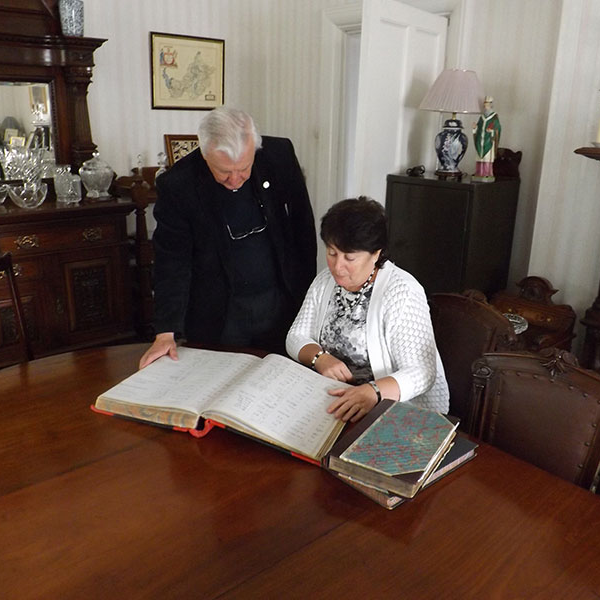
Finding your ancestral townland requires a combination of records and careful analysis. Key sources include:
- Parish records
- Census data
- Land and estate records
These documents often list townland names alongside family members, allowing you to pinpoint locations with remarkable accuracy.
Working with professionals experienced in genealogy services in Ireland can significantly speed up this process and ensure accuracy, especially when dealing with variations in spelling or incomplete records.

Visiting Your Townland: A Different Kind of Travel
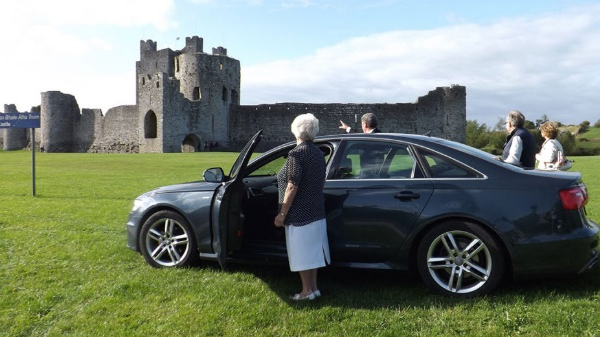
Once you’ve identified your ancestral townland, visiting it becomes a deeply personal experience. Unlike typical tours, this journey is about connection rather than sightseeing.
You may find:
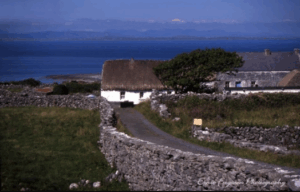
- Original stone walls still mark boundaries
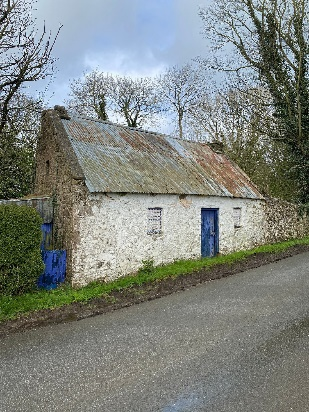
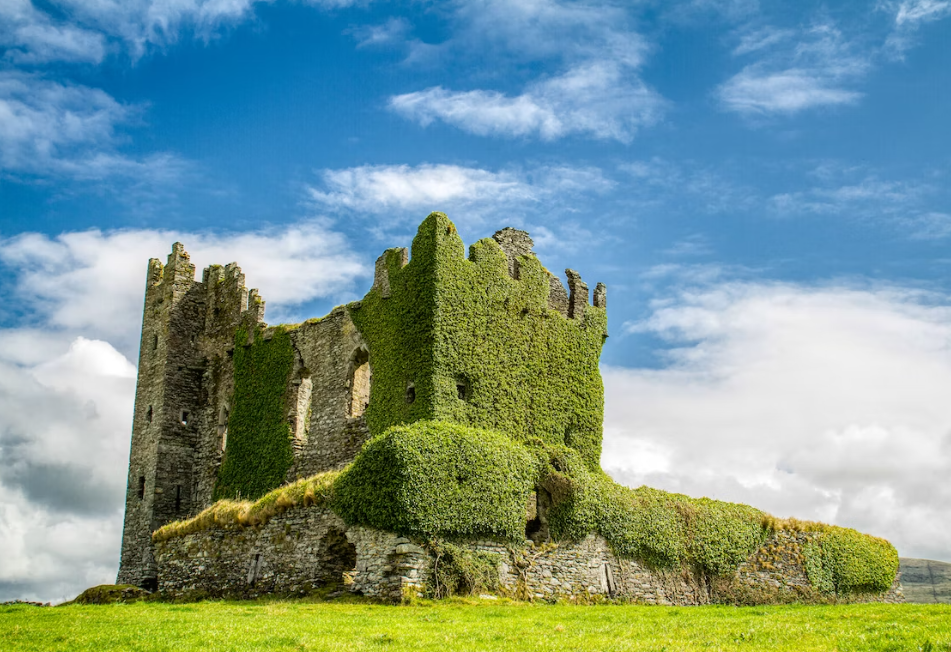
- Old cottages or their ruins
- Landscapes that have changed very little over generations
This is where ancestry travel tours become especially meaningful. Instead of following a general itinerary, you are walking in the exact footsteps of your ancestors.
Why Authentic Heritage Lies Off the Beaten Path
The most meaningful heritage experiences rarely happen in crowded tourist spots. They happen in quiet fields, narrow lanes, and small communities where history feels tangible.
Irish townland research allows you to access these spaces with purpose and understanding. It transforms Ireland from a destination into a deeply personal landscape.
By stepping off the tourist trail, you gain something far more valuable than photographs—you gain perspective, identity, and connection.

Turn Your Family History into a Journey—Begin Your Irish Townland Research Today
At My Ireland Family Heritage, we believe that every family story deserves to be rediscovered in the place it began. Through our expertise in genealogy services in Ireland with Irish ancestry research, family history tours, and ancestry travel tours, we help you uncover and experience your heritage in a deeply personal way.
We guide you from records to real locations, ensuring your journey is both accurate and meaningful. Our team works across all 32 counties in Ireland, helping you reconnect with your roots no matter where your ancestors came from.
Let us help you turn your research into a living experience—one that goes beyond tourist trails and brings your family history to life.
Contact us now.