

For many people tracing Irish roots, the story often leads back to one defining period in history: the Great Famine. Understanding this era is essential for anyone exploring Irish famine genealogy because famine-era migration permanently changed Irish families, communities, and identities across the world.
Between 1845 and 1852, millions of Irish people left their ancestral townlands in search of survival. Some settled in the United States, Canada, Australia, and Britain, while others moved between counties within Ireland. These migrations created family branches that stretched across continents, making Irish ancestry research both emotional and complex today.
Why the Great Famine Matters in Irish Genealogy

The Lasting Impact of the Great Famine on Irish Family History
The Great Famine remains one of the most significant events in Irish history, leaving a profound mark on families, communities, and the country itself. While the population decline caused by the famine is well documented, its impact extended far beyond numbers. The famine reshaped family structures, altered inheritance patterns, influenced surnames, and permanently changed the lives of countless people. For descendants researching Irish family history today, understanding the effects of this period can provide valuable insight into the journeys their ancestors experienced and the challenges they faced.
For those involved in Irish famine genealogy, one of the greatest difficulties is tracing relatives who disappeared from local records following emigration. During the famine years and the decades that followed, many families were forced to leave Ireland in search of survival and opportunity. These departures often happened quickly, leaving little time to gather official paperwork or preserve detailed family records.
Many emigrants carried only the most essential belongings and relied heavily on family stories passed down through generations. As a result, researchers frequently encounter gaps in records, making it difficult to follow a family’s movements after they left Ireland. In some cases, entire family groups emigrated together. In others, a single family member travelled first, found employment abroad, and later helped parents, siblings, or other relatives make the journey.
This pattern of migration explains why descendants researching Irish ancestry today often discover branches of their family spread across countries such as the United States, Canada, Australia, New Zealand, and the United Kingdom. What may begin as a search for one ancestor can often lead to the discovery of previously unknown relatives living on different continents.
Reconnecting Families to Their Ancestral Townlands
Despite the challenges associated with famine-era research, modern genealogy resources have made it possible for many descendants to reconnect with the places their ancestors once called home. Through careful investigation of historical records, researchers can often identify the specific townland connected to a family and begin building a clearer picture of their lives before emigration.
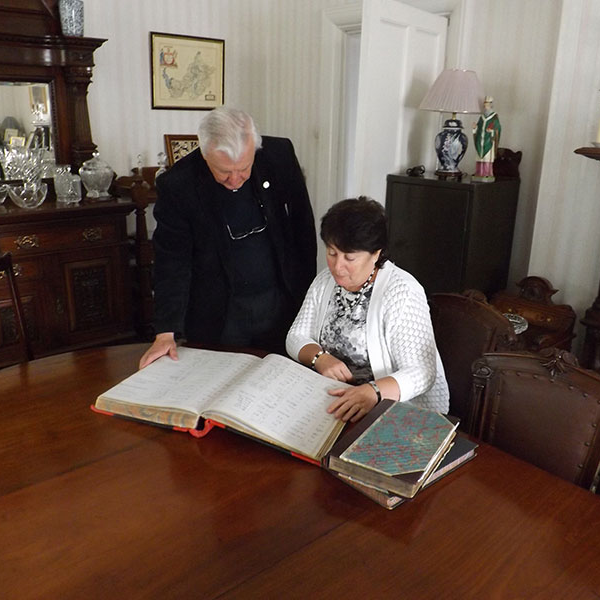
Parish registers, civil records, census substitutes, land records, ship manifests, and immigration documents all contribute important pieces of information. When combined with local historical knowledge, these sources can reveal where families lived, worked, worshipped, and established their homesteads before circumstances forced them to leave.
Identifying an ancestral townland is often a major breakthrough in Irish genealogy research. Ireland contains many recurring surnames, making geographical connections essential for distinguishing one family from another. Once a location has been confirmed, descendants can explore the area’s history and better understand the environment their ancestors experienced during one of Ireland’s most difficult periods.
For many people, discovering an ancestral townland becomes the starting point for a deeply personal heritage journey. Rather than viewing their family history through documents alone, they gain the opportunity to connect directly with the landscapes, communities, and traditions that shaped previous generations.
How Heritage Travel Brings Irish History to Life
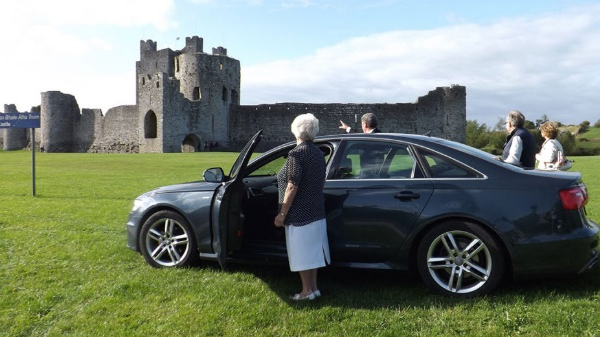
Genealogy research becomes even more meaningful when combined with heritage travel. Today, many descendants choose to visit Ireland through specialised history tours of Ireland and Irish genealogy ancestry tours designed to bring family stories to life.
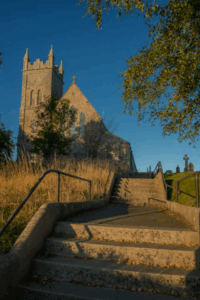
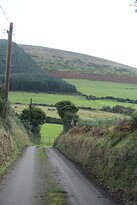
These experiences allow travellers to move beyond names, dates, and records by exploring the places connected to their ancestors. Walking rural roads, visiting historic churches, viewing ancestral homesteads, and exploring local archives can create a powerful connection to the past that cannot be replicated through research alone.
Many ancestry travel tours incorporate both genealogical research and guided exploration, helping visitors understand not only where their ancestors lived but also how historical events affected their daily lives. Certified tour guides provide valuable historical context while helping families navigate locations that may hold personal significance.
Travellers are often surprised by how strongly many Irish communities continue to preserve and honour famine history. Throughout the country, visitors can find famine memorials, heritage centres, preserved villages, historical exhibitions, and local museums that document the experiences of those who endured this challenging period.
These sites help descendants understand the social and economic pressures that influenced migration decisions and provide a greater appreciation for the resilience displayed by previous generations. By seeing these places firsthand, visitors gain a more complete understanding of the sacrifices their ancestors made and the courage required to begin new lives abroad.
The Emotional Impact of Irish Ancestry Research

Researching famine-era ancestors is often an emotional experience. Family historians frequently uncover stories of hardship, perseverance, separation, and determination that have shaped generations of descendants.
Some researchers discover letters sent home by emigrants describing their new lives overseas. Others locate passenger lists that reveal when family members departed Ireland or identify the exact ports where they began their journeys. In some cases, genealogy research even leads to the discovery of living relatives previously unknown to the family.
These findings often transform family history from a collection of records into a deeply personal narrative. Understanding the challenges faced by ancestors during the famine years can foster a stronger sense of identity and appreciation for the opportunities created by their sacrifices.
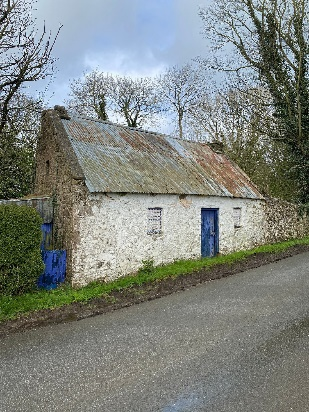
Many descendants describe a profound emotional connection when standing in the places their ancestors once knew. Visiting an ancestral townland, seeing the remains of a family homestead, or attending a local church connected to previous generations can bring family stories into sharper focus and create memories that last a lifetime.
Through carefully planned family history tours and Irish genealogy ancestry tours, descendants can preserve these important stories for future generations. By combining historical research with meaningful travel experiences, families can honour the resilience, courage, and determination of those who left Ireland during one of the most challenging chapters in the nation’s history.
Ultimately, Irish famine genealogy is about far more than tracing names on a family tree. It is about understanding the lives behind those names, reconnecting with ancestral places, and celebrating the enduring legacy of families whose stories continue to shape generations around the world.
Begin Your Irish Heritage Journey
If you are ready to explore your roots through expert Irish famine genealogy research and immersive heritage travel, My Ireland Family Heritage offers a complete experience tailored to your family story. From detailed genealogy research to personalised history tours across the 32 counties of Ireland, our qualified genealogists and certified tour guides help families reconnect with ancestral townlands, historical records, and living heritage. My Ireland Family Heritage is the only company in Ireland providing this unique combination of genealogy expertise and heritage tours under one roof. Connect with us today to learn more.