


The story of Ireland’s global diaspora is one of resilience, loss, and transformation. Understanding the Irish emigration causes that drove millions to leave their homeland reveals how deeply history has shaped Irish communities across the world. From famine and land struggles to economic hardship and political uncertainty, the forces behind this mass movement were complex and long-lasting.
Today, descendants of Irish emigrants can be found across the United States, Canada, Australia, and beyond. Their stories trace back to a period when leaving Ireland was not simply a choice but often a necessity.
The Great Famine and Its Devastating Impact
No discussion of Irish emigration is complete without addressing the Great Famine of the 1840s. Caused by potato blight, the famine destroyed the primary food source for a large portion of the population. Over one million people died, while another million fled the country.
For many families, emigration was the only way to survive. Ships bound for North America became symbols of hope, even though the journeys were often dangerous and overcrowded. The famine stands as one of the most significant Irish emigration causes, fundamentally altering Ireland’s population and its future.

Land Reform and Tenant Struggles
Beyond famine, land ownership played a major role in driving people away. Much of Ireland’s land was owned by Anglo-Irish landlords, while local farmers worked as tenants with limited rights. High rents and the constant threat of eviction created instability for rural families.
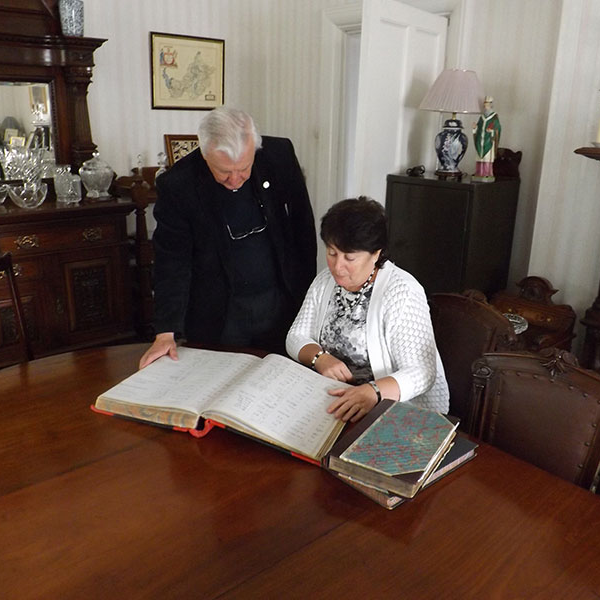
Even after the famine, land reforms were slow to bring relief. Many tenants found it impossible to build secure livelihoods. As a result, emigration continued as people sought land ownership and independence abroad. These conditions are often uncovered during Irish ancestry research, as families trace the circumstances that led their ancestors to leave.
Economic Hardship and Limited Opportunities
Ireland’s economy in the 19th and early 20th centuries offered few opportunities, particularly in rural areas. Industrial development lagged behind other parts of Europe, leaving many without stable employment.
Young people, in particular, faced limited prospects. Emigration became a rite of passage, with individuals leaving to find work and send money home. This economic migration extended well beyond the famine years and remained one of the enduring Irish emigration causes well into the 20th century.
Modern genealogy services in Ireland often reveal patterns of repeated migration within families, with multiple generations leaving for similar reasons.

Political and Social Pressures
Political unrest and social tensions also contributed to emigration. British rule in Ireland created divisions and unrest, particularly during periods of rebellion and reform movements. For some, leaving Ireland meant escaping political instability or seeking greater personal freedom.
Religious and cultural factors also played a role. In certain cases, individuals emigrated to join communities where they could practise their beliefs more freely or integrate into established Irish networks abroad.
These stories are frequently uncovered through genealogy in Ireland, where historical records provide insight into the personal motivations behind emigration.
Chain Migration and the Growth of Diaspora Communities
Once Irish communities began forming abroad, a pattern known as chain migration developed. Early emigrants would send letters home, encouraging relatives and neighbours to join them. They often provided financial assistance or sponsorship to help others make the journey.
This created strong Irish communities in cities such as Boston, New York, Liverpool, and Sydney. Over time, these communities maintained cultural traditions while also shaping the societies they joined.
Regions such as those explored through County Mayo genealogy often show strong links to specific diaspora locations, reflecting these migration patterns.
The Lasting Legacy of Irish Emigration
The impact of Irish emigration is still visible today. Ireland’s population declined significantly during the 19th century and took many decades to recover. Meanwhile, Irish culture spread across the globe, influencing music, language, and identity in countless ways.
For descendants, understanding their family’s journey offers a meaningful connection to the past. Through Irish genealogy research, many are rediscovering the stories of ancestors who left Ireland under difficult circumstances but carried their heritage with them.
These personal histories highlight not only the challenges faced by emigrants but also their resilience and determination to build new lives.

Begin Your Journey into Ireland’s Rich and Complex Past Today
At My Ireland Family Heritage, we understand that every family has a story waiting to be discovered. Through our expert Irish genealogy research, we help uncover the journeys behind Irish emigration causes and connect you with your roots.
Our team provides trusted genealogy services in Ireland, working closely with clients to explore records, archives, and family histories. Whether you are interested in County Mayo genealogy, County Donegal genealogy, or need guidance from a genealogist in Northern Ireland, we are here to help.
We proudly offer our services across all 32 counties in Ireland, combining research with personalised heritage touring experiences. Let us help you trace your story and walk in the footsteps of your ancestors.