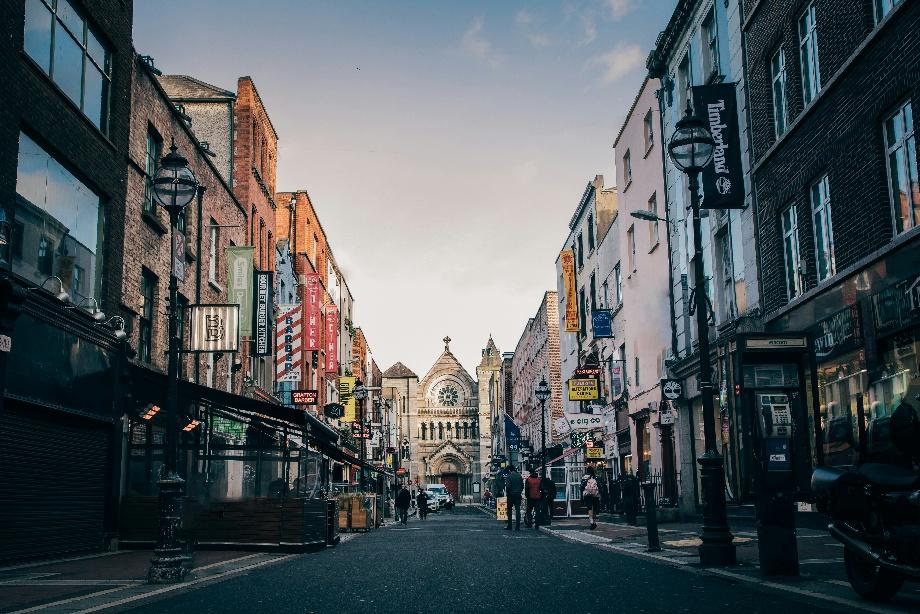
Historic Dublin street leading towards a cathedral, representing the layered history behind Irish ancestry beyond DNA testing.

Why DNA Alone Rarely Tells the Irish Story Correctly

For many abroad who are tracing Irish roots, the first step is often a DNA test. A percentage appears on a screen, counties are suggested, and a sense of belonging stirs. Yet Irish identity is not built from percentages. It is shaped by townlands, parish registers, migration routes, and lived experience. DNA may open a door, but it rarely tells the Irish story correctly on its own.

The Limits of DNA Without Context

Genetic testing can indicate regional origins, but Ireland’s history is layered and complex. Centuries of movement, from the arrival of the Celtic tribes in Ireland to plantation settlements and later emigration, mean that genetic markers overlap widely. A result suggesting Ulster ancestry does not automatically explain your family’s Donegal family history or confirm precise Tyrone genealogy.

Similarly, a broad Munster match cannot substitute for documented Clare, Ireland genealogy or detailed parish-based Wexford genealogy. DNA cannot reveal the name of a specific townland, nor can it explain why an ancestor left during the Irish potato famine immigration wave, or whether they passed through a workhouse, details often uncovered through Irish Famine workhouse facts in archival material.

Research Across Two Jurisdictions

Records differ, administrative histories diverge, and political boundaries shaped documentation practices. Proper Ireland genealogy research may require consulting a specialist such as a genealogist, particularly when tracing Armagh or County Monaghan genealogy across shifting borders.

In the Republic, exploring County Meath, Ireland genealogy often leads to medieval estates and Norman influences, while Mayo family genealogy frequently intersect with famine-era records. A family claiming roots in Cavan may require careful examination of church registers for County Cavan genealogy, not merely a DNA estimate.

Even diaspora communities, such as those seeking County Galway genealogy in Brisbane, benefit from structured Irish ancestry research rather than relying solely on testing kits.

From Archive to Ancestral Landscape

At My Ireland Family Heritage, research does not end with documents. As the only company offering both professional genealogy services in Ireland and immersive heritage travel under one roof, the journey moves from archive to ancestral soil.
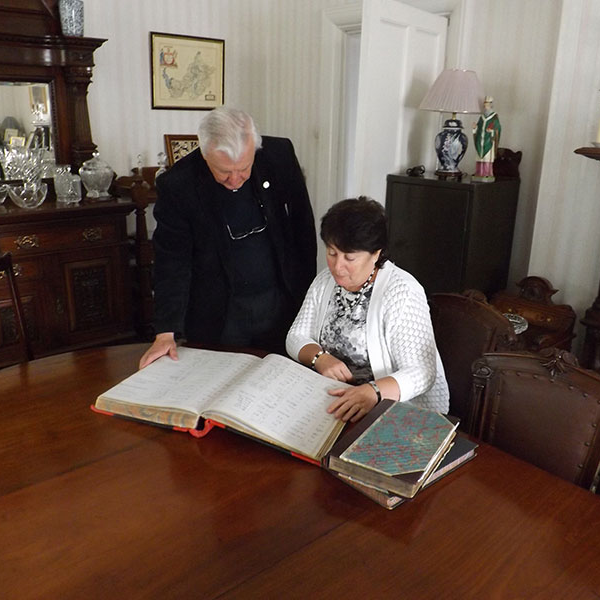
Researcher examining historical documents at a desk, symbolising detailed Irish genealogy research beyond DNA results.

Clients receive a carefully prepared keepsake manuscript that brings together parish records, land valuations, and family narratives. From there, tailored family history tours allow descendants to stand within their ancestral townland, guided by certified tour guides who understand both history and heritage.

Whether exploring Norman Trim in Meath or the coastal landscapes central to Clare, Ireland genealogy, these carefully curated history tours of Ireland transform research into lived experience.

DNA Cannot Name a Townland

Even the most sophisticated DNA results cannot identify a precise parish boundary or a single ancestral townland. Genetic markers may suggest a regional cluster, yet they do not distinguish between neighbouring communities that often shared surnames for generations. In counties such as Meath or Clare, families lived within tight-knit rural networks where baptismal sponsors, marriage witnesses, and landholders were interconnected. Only documentary research can reveal which homestead belonged to your direct line and which belonged to a cousin two fields away. DNA provides probabilities. Parish registers provide names, dates, and relationships grounded in place.

Records Reveal Social Context

Archival material also restores the social realities that shaped your ancestors’ lives. Land valuation books, estate correspondence, and church registers expose tenancy arrangements, migration patterns, and the economic pressures that led families to leave. During famine years, workhouse registers and relief lists documented hardship at community level. These records reveal whether an ancestor remained, relocated within the parish, or emigrated entirely. DNA cannot tell you whether your forebear stood in a chapel yard in County Clare or worked leased land in rural Meath. Only structured historical research can reconnect a family not just to geography, but to lived experience within a specific Irish community.

A Story Rooted in Place

DNA may suggest origin. True understanding requires geography, history, and documentary evidence. It requires recognising how migration, famine, faith, and land shaped each homestead.

For those seeking clarity beyond percentages, My Ireland Family Heritage offers comprehensive support across both Republic and Northern contexts, from Donegal, Ireland genealogy to Ulster and beyond.

Begin your journey with research grounded in place, history, and heart. Let your Irish story be told not by numbers, but by the townland that still remembers your name.

Scroll to Top

Customised Genealogy & Historical Tour

Review of My Ireland Heritage Tours Presented on Trip adviser Oct 2024 By • Family TomBarron2013 New York City, NY2

Once in a lifetime experience

Oct 2024 • Family

We highly recommend My Ireland Heritage for anyone who wants to learn and be guided to their Irish “roots” and much, much more. Sean Quinn and Ian Darragh of My Ireland Family Heritage have deep knowledge or the areas we wanted to visit in Meath, Sligo and Kilkenny. While we knew about one side of the family history back to 1690, there was nothing known about the other that arrived in the US in the 1870s.

Ian, Sean, and Nicola did thorough research on our localities and locations from which our ancestors left for America in 1849 and later. In addition, Ian and Sean did separate day-long “recons” in advance of our time with them, seeking out local people and the specific properties with maps and whatever records still available. Their results were absolutely outstanding! In both our cases, they found and took us to our still-existing cottages and shops from the early 1820s.

It was so enjoyable to be with Ian for three days and for a special day with Sean. Whether it was the Newgrange World Heritage sites 5,500 years old , the Battle of the Boyne 1690 , or the local cemeteries and churches of our ancestors. Ian was especially attentive to my wife throughout the travels after she twisted her ankle in a rain-soaked old cemetery.

Throughout the process of trip preparation over months to giving us the final, wonderful books of Meath and Sligo, Aisling was highly professional and responsive with all the many details. The bound books she prepared are treasures! Thanks to all for truly exceptional experiences.

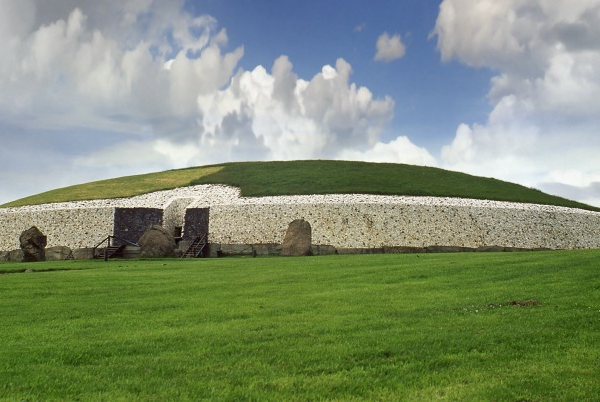
Newgrange World Unesco Site 5500 years old
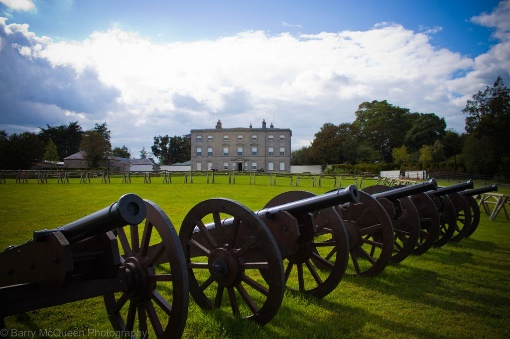
Battle of the Boyne 1690 AD
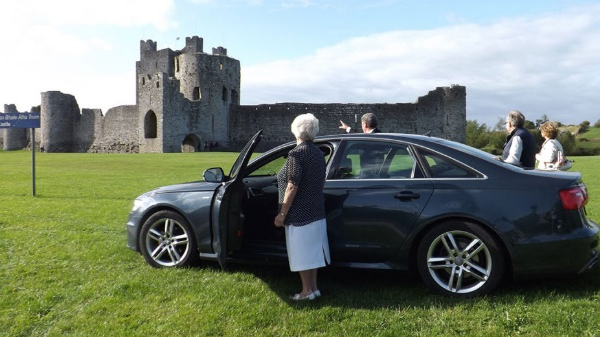
Customised Historical Tours Trim Castle
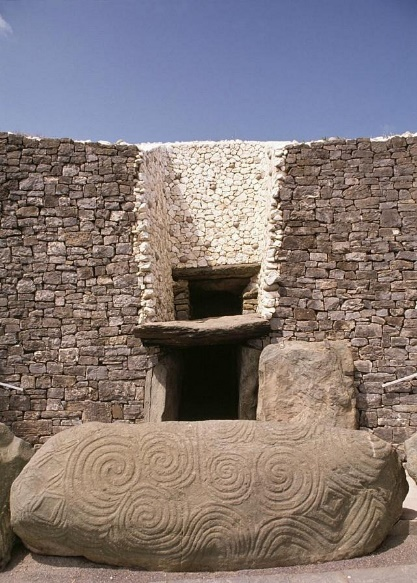
Entrance stone at Newgrange

Self Drive Product

Review of My Ireland Heritage Tours Presented on Trip adviser by Shelley L @ sjlively

Exceptional in every way!

Over the last few months of preparing for our trip, every single detail was meticulously attended, not only professionally, but helpfully, and in such a friendly manner, that I felt as if I knew Sean, Aisling and Ian before I even stepped off the plane.

The amount of work these wonderful people put into our personal history is mindboggling. My mother was an avid amateur genealogist, and had worked for decades to bring to light the trail our family took, but our resources are limited.

Sean knows exactly where to look, and was able to fill in so many gaps that had eluded us for generations. Some of the information he found, unbeknownst even to him, actually solidified the findings we had amassed over the years. Ours was a family in coal mining – I only found on our tour that they had originated from a mining area, and their arrival on the  border coincided exactly with the decline in the mining industry in County Wicklow.

I would have been overjoyed simply with the knowledge of why they left when they did, about 12 years before the famine. Breaking through our brick wall of great grandparents even farther back on the family tree was a dream come true, but to be able to set foot on not only the area they lived, and find that the house is still there was overwhelming. Seeing the family church and cemetery where our ancestors and extended family still rest is a truly moving experience.

The care taken by this company in each and every aspect of the journey cannot be overstated. Only about 2 weeks prior to my trip, Sean contacted me to let me know that he had also stumbled across some of my husband’s family name in the process and included them as well in his research. How often can anyone say that they not only got what they paid for, but more than they ever imagined? I can say that. They were even kind enough to answer a few follow-up questions after my return home, as I was so stunned on my tour with Ian that I didn’t think ask at the time.If you have the opportunity to make the trip to Ireland, contact My Ireland Family Heritage before you go.

If your family was there, Sean will go above and beyond to find them. Even without family, contact them anyway. Ian is a walking encyclopedia of history, and so fun to talk to. Aisling will make sure every “I” is dotted, and every “T” is crossed.  Thank you so much for the trip of a lifetime, and the opportunity to pass on everything we have discovered to future generations

The Consultation at Hotel / Office or by Phone opens all doors
Genealogy gets you off the Beaten Track to see the Real Ireland

Unique to Every Address with My Ireland Family Research