
It is natural to follow a single line of descent, from parent to grandparent and onwards, yet that approach leaves entire branches of the family unexplored. Sibling research in genealogy offers a powerful alternative, because the brothers and sisters of your ancestor often left records that their relatives did not.
For families shaped by Irish Potato Famine immigration, siblings were frequently scattered across counties and continents, each leaving a trail of their own. Even a single sibling’s marriage certificate may carry more detail than every record you have found for your direct ancestor. Following those trails may restore the missing pieces of your family story.
Why Siblings Hold the Missing Clues
A sibling who remained in the parish may have left a baptism, a marriage, and a burial that your emigrant ancestor never recorded in Ireland. Another may have died young, leaving a death certificate that names parents, an address and an occupation.
Each record is a fresh opportunity to confirm a name, a date or a place of origin, and to break deadlocks that direct-line searching has failed to solve. Siblings also help to separate families with identical names, since two men called John Murphy in the same parish may be distinguished only by the brothers and sisters around them.
Baptismal Sponsors and Marriage Witnesses
In Catholic registers, godparents were often aunts, uncles or elder siblings, and marriage witnesses were frequently brothers and sisters. The free digitised parish registers of the National Library of Ireland allow you to search these entries, and a single sponsor’s name can identify a relative whose line you had never considered.
Always record sponsors and witnesses, even when they appear unrelated, since the same names tend to recur across several family events.
Following Siblings Across the Atlantic
Emigration rarely happened all at once. One sibling would cross first and then send passage money for the next, so families can often be found clustered in the same city, parish or mining district abroad.
Immigration, naturalisation and census records, many of them held by the U.S. National Archives, frequently name a birthplace in Ireland for one sibling when others remain silent. Our page on the Famine offers context for why so many families were divided in this way. Obituaries and gravestone inscriptions abroad may likewise mention surviving siblings and the parish they left behind.
Naming Patterns and Overcoming Roadblocks
Sibling research is particularly effective when a surname is common or an ancestor’s baptism cannot be found. Compare birth order, forenames, and naming patterns across the family. Irish families often named the eldest son after his paternal grandfather and the eldest daughter after her maternal grandmother, and these traditions can suggest the names of earlier generations even when their records are missing.
Such details are a treasured part of your Irish family heritage, and they can guide you towards the correct line. It is wise to treat these customs as a guide rather than a rule, since families did not always follow them.
Bringing the Research to Life on Location
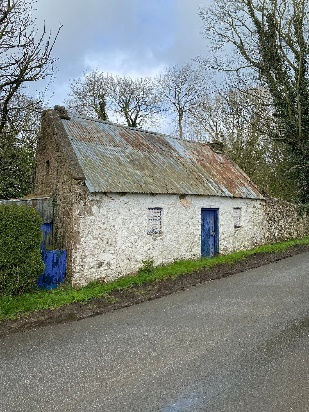
Once siblings have been identified, you can begin to understand how the wider family lived. A brother’s farm, a sister’s marriage in a neighbouring parish and a shared burial plot can all be located on the ground.
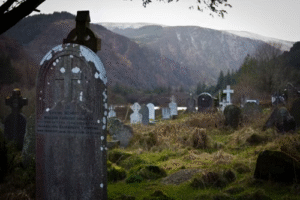
Many families find that family history tours bring these discoveries into focus, as standing in the graveyard where several brothers and sisters rest is a deeply moving experience. Local people in the parish may even recall the families who lived beside your ancestors, adding colour that no register contains.
Let Our Specialists Follow the Whole Family
Researching a family as a whole demands time, local knowledge and access to records that are not always online. Our genealogy services in Ireland extend well beyond your direct line, searching for siblings, cousins and neighbours to build a complete picture of the family. My Ireland Family Heritage is the only company to provide both genealogy research and tour packages under one roof, so every discovery can lead naturally to a visit. Each strand of the family is researched with care, and we tell you plainly at the outset if a line cannot be traced. Our genealogy services are available across the 32 counties of Ireland, and families can discuss guided heritage travel or self-drive itineraries suited to their research and preferred pace.
Through our Ireland genealogy guided research, our team examines civil, church and local records on your behalf, and clients who commission personalised genealogy research also receive a keepsake manuscript, a bound record of the family that can be handed down to children and grandchildren. We can then take you to the townland itself, as our ancestry travel tours are led by certified guides, including our Ancestral Townland Experience.
Sibling research in genealogy rarely fails to surprise, and the brother or sister you have overlooked may hold the key to your whole story. Reach out to us and let us discover which members of your family have been waiting to be found.