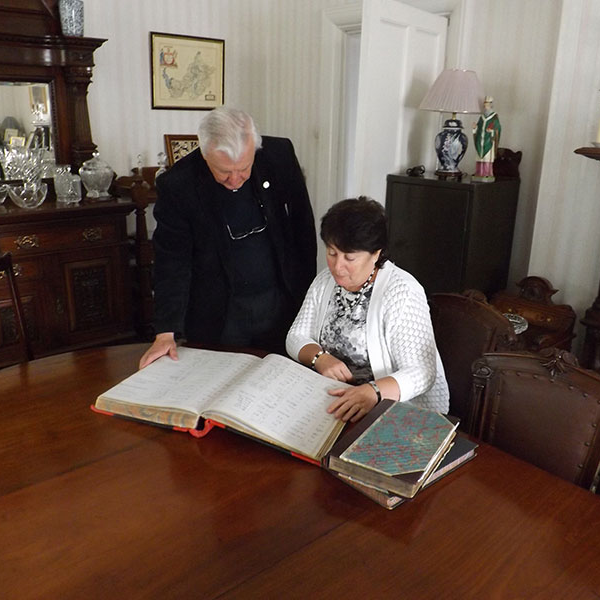



Understanding your ancestors’ lives in Ireland often begins with land. Through Irish land records, it becomes possible to uncover far more than ownership details. These records provide insight into economic standing, family roles, and the pressures that shaped everyday survival. Farm size, in particular, offers a revealing lens into how families lived, worked, and, in many cases, why they chose or were forced to leave Ireland.
The Role of Land in Irish Family Life
For centuries, land defined status and stability in Ireland. Families relied on their holdings not just for income, but for food, shelter, and generational continuity. Larger farms often indicated relative prosperity, while smaller plots reflected subsistence living.
By examining Irish land records, researchers can determine how much land a family held and how it was used. A holding of several acres might suggest livestock, crop rotation, and hired labour. In contrast, a small plot often meant reliance on a single crop, usually potatoes, leaving families vulnerable to failure.
This distinction plays a vital role in tracing your Irish roots, as it connects names and dates to lived experiences. Land was not merely property; it was survival.
Small Holdings and Survival Strategies
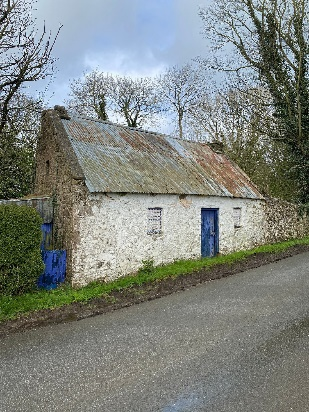
Many Irish families lived on small plots of land, often under tenancy agreements with landlords. These holdings, sometimes just a few acres, required careful management and resilience. Families maximised every inch of soil, growing high-yield crops and sharing labour among all members, including children.
Such conditions are frequently documented in County Mayo genealogy, where fragmented landholdings were common. These small farms often supported large families, leading to overcrowding and limited economic mobility.
Daily life on these farms revolved around necessity. Meals were simple, work was constant, and security was fragile. When crops failed, there were few alternatives. These realities shaped family decisions, including delayed marriages, seasonal work, and eventual emigration.

Larger Farms and Relative Stability
While less common, larger farms offered greater stability and opportunity. Families with more land could diversify crops, raise livestock, and sometimes employ labourers. This allowed for a more balanced lifestyle and reduced dependency on a single food source.
In regions associated with Donegal family history, larger holdings sometimes reflected stronger clan ties or more favourable leasing arrangements. These families often had better access to resources and could weather economic fluctuations more effectively.
However, even larger farms were not immune to external pressures. Rent increases, political instability, and market changes could still disrupt livelihoods. Yet, compared to smaller holdings, these families generally experienced a higher standard of living.
Land Fragmentation and Its Impact
Over generations, land in Ireland was frequently subdivided among heirs. This practice, while intended to provide for all children, often resulted in increasingly smaller and less viable plots.
By the early nineteenth century, this land fragmentation had created widespread economic strain. Families struggled to sustain themselves on diminishing land, leading to a cycle of poverty and dependence.
This pattern is evident in the county of Meath, Ireland, genealogy, where land records show a steady division of holdings over time. Understanding this trend helps explain why many families faced mounting pressure to leave their ancestral homes.
The Irish Famine and Emigration Pressures
The Great Famine of the 1840s marked a turning point in Irish history. Families who relied on small plots and single crops were particularly vulnerable. When the potato harvest failed, the consequences were devastating.
Insights drawn from Irish famine workhouse facts reveal how overcrowded institutions became a last resort for many. Workhouses, designed as relief centres, were often harsh and under-resourced.
For countless families, emigration became the only viable option. Land records from this period frequently show abandoned holdings or sudden changes in tenancy. These shifts reflect the profound impact of famine on rural communities.
The connection between land size and emigration is clear. Smaller holdings, already strained, could not support families during the crisis. Larger farms, while more resilient, were not always enough to prevent displacement.

Regional Variations in Landholding
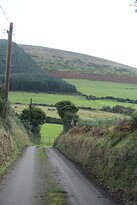
Landholding patterns varied across Ireland, influenced by geography, local economies, and historical factors. In some areas, fertile soil supported larger farms, while in others, rugged terrain limited agricultural potential.
Research in County Armagh genealogy often highlights mixed farming practices, where families balanced crops and livestock. This diversity could offer some protection against crop failure.
Understanding these regional differences is essential for interpreting Irish land records accurately. A five-acre farm in one county might sustain a family, while the same size elsewhere could struggle to do so.
What Farm Sizes Reveal About Daily Life
Ultimately, farm size provides a window into daily routines, challenges, and opportunities. Smaller farms suggest long hours of manual labour, limited diets, and economic uncertainty. Larger farms indicate a degree of comfort, though not without challenges.
Children in smaller households often contributed significantly to farm work, while those on larger farms might have had access to education or trade opportunities. Social interactions, marriage prospects, and community roles were all influenced by landholding size.
By studying these patterns, modern researchers gain a deeper understanding of genealogy in Ireland. It becomes possible to move beyond names and dates, uncovering the rhythms of everyday life that shaped family histories.
Start Tracing Your Irish Roots Through Land and Legacy
Understanding your family’s past requires more than records; it requires context, expertise, and care. At My Ireland Family Heritage, we specialise in uncovering the stories hidden within Irish land records and beyond.
Through expert Irish ancestry research, detailed genealogy services in Ireland, immersive history tours of Ireland, and personalised family history tours, we bring your heritage to life.
We proudly serve families across all 32 counties, offering both genealogy research and heritage touring experiences. Let us guide your journey into the past and help you discover the lives behind the records.