

Irish family history often begins with a surname, yet names alone rarely provide the clarity people expect. Ireland’s past was shaped by land, community, and local identity, which means ancestors were recorded by where they lived as much as by who they were. This is why Irish townland research remains essential for anyone seeking accurate genealogy results. Townlands act as precise anchors, linking families to specific places rather than broad regions. Without them, research can quickly become confusing, especially when surnames repeat across counties.
Understanding townlands helps transform scattered records into a clear and meaningful family narrative. It also allows descendants to connect emotionally with the places that shaped their ancestors’ daily lives.
Understanding Ireland’s Townland System and Its Lasting Value
Townlands are the oldest surviving land divisions in Ireland, many dating back centuries before modern boundaries were created. Each townland reflects local history, landscape features, or early settlement patterns, making them deeply personal identifiers. Across rural Ireland, people often identified themselves by townland rather than county. This local focus remains vital when working through historical records.
In areas associated with County Mayo’s genealogy, townlands frequently reveal clusters of related families living side by side. These details explain relationships that surnames alone cannot show. By understanding how townlands functioned, genealogy research becomes grounded, accurate, and easier to follow, even for those new to Irish records.

Why Relying on Surnames Alone Can Lead to Confusion
Irish surnames spread widely over generations, especially those linked to ancient Celtic tribes in Ireland, as families expanded and migrated, identical surnames appeared in many unrelated places. This is where townlands provide clarity. When studying records connected to Northern Ireland genealogy, the same surname may appear repeatedly within short distances, yet belong to different family lines.
Townlands help separate these identities clearly. They also explain why two families with the same name may have no shared ancestry. Pairing surnames with exact locations prevents incorrect assumptions and strengthens the reliability of family trees. This approach saves time and protects the integrity of research.
Records That Depend on Accurate Townland Identification
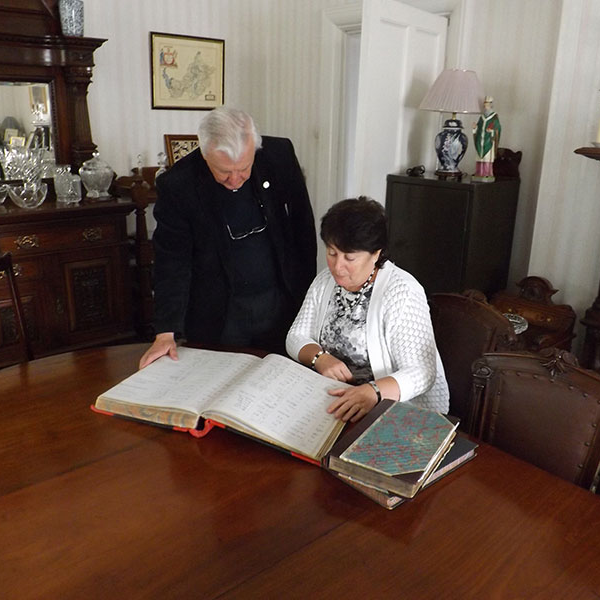
Many Irish historical records were created with townlands as their primary reference point. Those exploring Cavan genealogy resources often discover that without the correct townland, records remain hidden or incomplete. Church registers and census returns also rely heavily on these local divisions.
Townlands across all 32 counties of Ireland provide context by showing who lived nearby, who intermarried, and how families moved over time. This level of detail brings depth to research and helps explain changes that might otherwise seem sudden or unclear. Accurate townland identification turns fragmented documents into coherent family histories.
Townlands, Hardship, and the Story of Migration
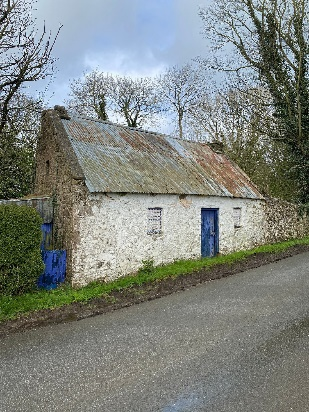
Townlands also played a critical role during periods of hardship, especially during famine years. Families were often recorded by townland when entering workhouses or receiving relief. Research into the Irish faminefrequently highlights how specific communities were affected. Understanding Irish potato famine immigration becomes more meaningful when tied to an exact place of origin.
These details help descendants trace not only when ancestors left Ireland, but why they left and what conditions they faced. Townlands preserve emotional history as well as factual records. They remind families that migration stories began in real places, among neighbours who shared the same struggles.

From Research Findings to Meaningful Travel Experiences
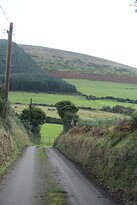
Modern genealogy often leads beyond documents toward personal journeys. Knowing a precise townland allows families to stand where ancestors once lived, worked, and worshipped. Many people choose ancestry travel tours to connect research findings with real landscapes. These journeys offer more than sightseeing; they provide understanding and closure. Townland-focused visits add depth to broader Ireland cultural tours by grounding them in personal history. Walking an ancestral road or visiting a nearby church brings records to life in a way books cannot. Accurate research ensures these experiences feel authentic and emotionally rewarding.
Taking the Next Step with Confidence
We believe every family story deserves clarity, care, and a sense of belonging, and My Ireland Family Heritage supports families seeking accurate connections to real places and real lives by using townlands to bring records into clear focus rather than relying on surnames alone. Our experience shows that understanding exact locations helps avoid confusion, strengthens family links, and makes historical records easier to interpret, which is why we offer genealogy services across the 32 counties of Ireland with patience, attention, and respect for each family’s journey.
Our work naturally connects research with thoughtful travel planning, helping families from Australia who value Irish ancestry tours from Sydney, rooted in verified townland locations. By blending reliable documentation with lived heritage experiences, we help families feel confident, informed, and emotionally connected. Reach out to our team today to explore how this meaningful journey can begin.