

Tracing Irish roots is often deeply personal, especially for overseas families whose connections to Ireland have been shaped by migration, loss, and time. For many people, family stories passed down through generations are fragmented, sometimes inconsistent, and rarely supported by clear documentation. A professional Irish genealogy research project bridges that gap—transforming partial memories into a coherent, well-evidenced family narrative. This article explains what you can realistically expect when engaging expert Irish genealogy research, focusing on outcomes, timelines, and the depth of insight provided.
Clarifying Your Irish Origins with Confidence
One of the most important outcomes of a professional research project is clarity. Many families begin with only a surname, a rough county reference, or an oral tradition. Professional researchers focus on turning those clues into confirmed ancestral origins, often identifying the exact townland, parish, and family relationships.
This work frequently involves reconciling contradictory records, understanding naming patterns, and accounting for historical disruptions such as migration and land changes. For families with roots connected to Northern Ireland genealogy, this clarity is especially valuable, as borders, jurisdictions, and record availability can complicate assumptions. However, experienced researchers look beyond any single region and approach Ireland as a whole, ensuring a balanced exploration of ancestral possibilities across all counties.
The outcome is not just a name or date, but a grounded understanding of where your family fits within Ireland’s historical and geographical landscape.
The Depth of Detail You Can Expect in Your Family History
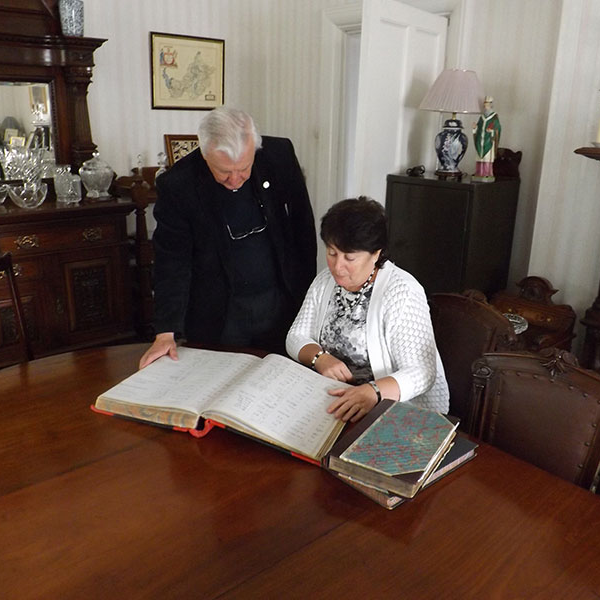
Professional Irish genealogy goes far beyond basic family trees. Clients can expect carefully verified timelines, contextual explanations, and supported documentation that adds meaning to each discovery. This may include land records, parish registers, census substitutes, and migration references that explain why families moved and how their lives evolved.
For families with western roots, researchers often explore records linked to County Mayo’s genealogy, where historical population shifts and emigration were significant. Rather than overwhelming clients with raw data, professional projects translate findings into readable narratives that explain how ancestors lived, worked, and adapted to change.
This level of detail helps families understand not only who their ancestors were, but how their experiences shaped future generations. It also provides a reliable foundation for sharing family history with children, grandchildren, or extended relatives—preserving heritage in a form that feels accessible and trustworthy.

Understanding Timelines and What Progress Looks Like
Genealogy research is not instant, and a professional project sets realistic expectations from the outset. Timelines vary depending on record survival, geographical spread, and the complexity of family lines. Most projects unfold in stages, with discoveries building logically over time.
Researchers may explore areas such as border counties, rural parishes, or regions with strong emigration histories, sometimes drawing on Cavan genealogy resources to trace families affected by economic hardship or overseas movement. Clients are typically kept informed as milestones are reached, allowing them to see steady progress without feeling overwhelmed.
Importantly, professional genealogy recognizes that pauses or dead ends are part of the journey. Rather than presenting uncertainty as failure, experienced researchers explain limitations clearly and outline what can—and cannot—be confidently proven. This transparency builds trust and ensures that final results are both accurate and credible.

Turning Research Findings into Meaningful Travel Experiences
For many overseas families, genealogy is closely tied to the desire to walk ancestral ground. A well-documented research project supports heritage travel by identifying precise locations, historical context, and family connections that make a visit meaningful rather than symbolic.
Research outcomes can inform plans for Irish ancestry tours, helping families understand which counties, parishes, or historic sites are personally significant before they travel.
Why Professional Insight Makes a Lasting Difference
What truly distinguishes a professional project is interpretation. Records alone do not tell a full story; they require historical understanding and cultural awareness to be meaningful. Skilled researchers explain how broader events—such as land reforms, religious shifts, or emigration waves—affected individual families.
Insights may include explanations linked to Celtic tribes, regional settlement patterns, or the social structures that shaped rural life. These interpretations help families see their ancestors as real people navigating specific circumstances, rather than names on a chart.

How Historical Context Adds Meaning to Family Discoveries
Professional Irish genealogy research does more than confirm names and dates—it places families within the broader sweep of Irish history. Understanding the social and economic forces that shaped everyday life helps explain why ancestors made certain choices, whether that meant remaining in rural communities or seeking opportunities abroad. For many families, learning about events such as land dispossession, religious division, or public health crises provides essential clarity and emotional resonance.
Insights connected to the Irish famine often help overseas descendants understand sudden disappearances from parish records or dramatic changes in family circumstances. Rather than presenting these moments as abstract history, professional research frames them as lived experiences that directly affected individual families. This context allows readers—particularly later-life descendants—to better appreciate the resilience and hardship their ancestors endured, creating a fuller, more compassionate understanding of the past.
Supporting Multi-Generational and Overseas Family Connections
A well-structured genealogy project is especially valuable for families spread across multiple countries and generations. Clear documentation and readable summariesmake it easier to share findings with relatives who may have varying levels of interest or familiarity with genealogy. This clarity helps prevent misunderstandings and ensures that discoveries are preserved accurately for future generations.
For families considering heritage travel, research also plays a crucial role in shaping meaningful experiences such as ancestry travel tours. Knowing exact locations, family relationships, and historical significance allows overseas descendants to engage with Ireland in a purposeful way rather than relying on general assumptions.

What Verification Means for Long-Term Family Confidence
One of the greatest values of professional genealogy is verification. Family stories are often meaningful, but they can change as they are passed down through generations. A professionally researched project distinguishes between tradition and evidence, clearly showing what can be confirmed and where reasonable interpretation is required. This approach provides families with confidence that their history is accurate, not assumed.
For those with connections to border regions or complex jurisdictions, a genealogistat My Ireland Family Heritagecan be part of a broader all-Ireland strategy rather than a narrow focus. Experienced professionals assess records from multiple counties and systems, ensuring conclusions are sound and balanced. The result is a family history that stands up to scrutiny and can be shared proudly with children, grandchildren, and extended relatives.
How Research Preserves Heritage for Future Generations
Beyond personal discovery, genealogy plays an important role in preserving cultural identity. A well-documented Irish family history becomes a lasting resource that future generations can revisit and build upon. Professional projects present findings in a clear, narrative form, making them accessible even to family members who may not consider themselves interested in genealogy.
By connecting individual stories to broader themes such as Ireland cultural tours, families gain a deeper appreciation of traditions, landscapes, and shared heritage. This perspective helps descendants understand not just where their family came from, but how Irish culture influenced values, customs, and identity over time. For many older clients, this preservation of heritage becomes one of the most meaningful aspects of the entire research journey.
How Migration Records Complete the Irish Family Story
For many overseas families, Irish genealogy only begins to make sense when emigration is fully understood. Passenger lists, overseas birth records, and settlement documents often provide the missing links that explain when and why families left Ireland. Professional research connects Irish records with international sources, allowing descendants to see their ancestors’ journeys as part of a continuous story rather than isolated events.
This is particularly meaningful when examining the lasting impact of Irish potato famine immigration, which affected families across all regions of Ireland, not just one county or province. Understanding these migration patterns helps clarify sudden relocations, name changes, or family separations. For later-life descendants, this insight often brings emotional resolution, offering a clearer explanation for how their family came to live where they do today.

Transforming Research Results into Shareable Family Narratives
A key outcome of professional genealogy is not just discovery, but communication. Families want results they can understand, share, and preserve—not dense technical reports. Professional projects, therefore, translate evidence into structured narratives that explain relationships, timelines, and historical context in clear, accessible language.
For families planning meaningful visits, these narratives also support experiences such as family tours, ensuring travel is informed by accurate locations and verified connections. Even for those who never travel, having a well-written family history allows stories to be passed on with confidence.
How Memorials and Historic Sites Deepen Personal Understanding
Professional genealogy research often brings families face-to-face with the physical places that shaped their ancestors’ lives. Beyond townlands and parishes, memorials and historic landmarks help contextualize personal stories within national experience. Understanding where ancestors lived in relation to key sites can add emotional depth and meaning to family history, particularly for those reflecting on past hardships and resilience.
Connections to places such as the Irish famine memorial can help descendants better grasp the wider forces that influenced family decisions, including migration and loss. Rather than being abstract symbols, these sites become personal reference points tied directly to a family’s documented past.

Bringing Your Irish Story to Life with Purpose
At My Ireland Family Heritage, we understand that uncovering your family’s Irish past is about far more than records—it’s about connection, identity, and peace of mind. Through a carefully guided Irish genealogy research project, we offer personalized solutions that turn uncertainty into verified insight, delivering well-documented histories with a keepsake book that supports everything from personal understanding to heritage travel. With deep experience providing genealogy services in Ireland across the 32 counties, our approach combines scholarly rigour with clear storytelling, ensuring discoveries are both accurate and accessible. If you’re ready to explore your roots with confidence and purpose, reach out today to discuss your specific needs
Frequently Asked Questions
How long does a professional Irish genealogy research project usually take?
Timelines vary depending on record availability, family complexity, and geographical spread. Most projects take several weeks to a few months, with progress shared at key stages and findings carefully verified to ensure accuracy, clarity, and meaningful historical context for families.
Will I receive copies of the original records?
Yes. Professional research usually provides references and copies when available, along with clear explanations to help you understand what each record shows, how it relates to your family history, and how it supports the overall findings, sources used, and conclusions reached throughout the research process.
Is research useful even if I don’t plan to travel?
Absolutely. Many people explore genealogy for personal understanding or to create a documented legacy for future generations. Research can clarify family connections, answer long-standing questions, preserve meaningful stories, and provide a reliable reference that supports shared heritage understanding across families and generations.
Can this research support heritage travel later on?
Yes. Verified locations and historical context are valuable for planning meaningful visits, including self-guided trips or organized experiences connected to ancestral places. Detailed research helps prioritize sites, understand local history, and create a more personal, well-informed travel experience grounded in documented family connections and timelines.