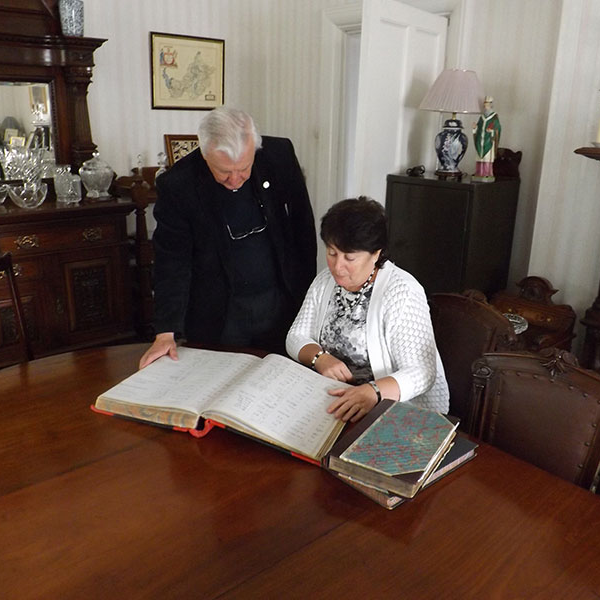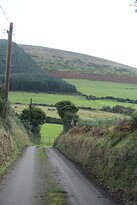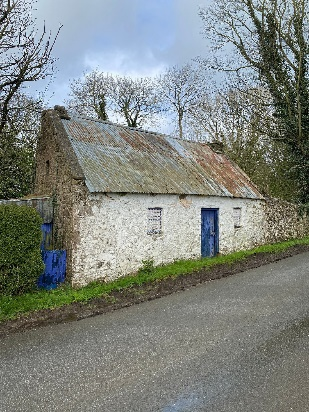


When people begin exploring Irish ancestry, they often focus on written records—birth registers, parish books, land valuations, and censuses. These sources are essential, but they are only part of the picture. Irish oral history remains one of the most powerful and underestimated tools in Irish genealogy, preserving details that were never formally recorded.
In a country shaped by migration, loss, and oral tradition, stories passed from generation to generation often hold clues that documents alone cannot provide. Understanding why oral history matters can fundamentally change how you approach Irish family research.
Ireland’s Long Tradition of Storytelling
Ireland has one of the strongest oral traditions in Europe. Long before widespread literacy, history, lineage, and identity were preserved through the spoken word. Family stories, place-names, and local memory carried information across centuries.
This tradition did not disappear with written records—it continued alongside them. As a result, Irish oral history often fills gaps created by missing, damaged, or never-created documents.
For anyone involved in genealogy in Ireland, recognising the value of oral tradition is essential to building a complete and authentic family story.
Why Written Records Alone Are Not Enough
Irish genealogical records are rich but incomplete. Fires, political upheaval, poverty, and emigration all contributed to record loss. Entire parishes may have gaps spanning decades.
Oral history can:
- Explain why records are missing
- Clarify family movements between townlands
- Distinguish between families with the same surname
- Preserve relationships that never appeared in official documents
In many cases, oral accounts guide researchers toward the right records to search rather than replacing documentation altogether.

Family Stories as Research Roadmaps
Family stories are often dismissed as unreliable, but when handled carefully, they provide valuable direction. A remembered place-name, occupation, or migration story can narrow research dramatically.
Someone tracing their Irish roots might recall that an ancestor “came from Mayo” or “left during the Famine.” While vague, these details help frame timelines and geographic focus. Research into County Mayo genealogy, for example, often begins with oral references to hardship, land loss, or assisted emigration.
The key is not to accept stories uncritically, but to use them as informed starting points for verification.
Local Knowledge That Never Reached Paper
Many details of Irish rural life were never formally recorded. House names, field nicknames, and informal boundaries often existed only in local memory.
In areas associated with Tipperary family history, researchers frequently rely on neighbours’ recollections to identify where a family actually lived within a townland. These insights are especially valuable when multiple households share similar names.
Local oral knowledge can reveal:
- Exact homestead locations
- Informal family connections
- Changes in land use over time
This type of information is rarely found in archives but remains alive in community memory.
Community Memory and Shared History
Oral history is not limited to individual families. Communities preserve collective memory through stories about events, migrations, and social change.
Church communities, for example, often remember families long after headstones fade. In places tied to County Clare genealogy, parish memory can help identify ancestral lines even when formal registers are incomplete.
Community storytelling also provides context—helping researchers understand how ancestors lived, not just when and where.

Oral History and Northern Ireland Research
Oral history plays a particularly important role in Ulster research. Due to complex political history and differing record systems, Northern Ireland genealogy research often benefits greatly from local testimony.
Families researching Ulster roots may encounter overlapping religious communities, boundary changes, and record gaps. Here, insights from local historians and long-established families can clarify distinctions that written sources obscure.
For these reasons, many experienced researchers view oral history as indispensable rather than optional.
Separating Myth From Memory
Not every family story is accurate, but even incorrect stories often contain useful clues. Exaggerations, changed names, or altered timelines usually reflect real experiences filtered through memory.
A claim of “land ownership” may reflect long-term tenancy. A story of “forced eviction” may point toward estate consolidation. When interpreted carefully, oral history reveals emotional truth even when factual details shift.
Professional Irish genealogy research involves cross-referencing stories with records to uncover what truly happened—and why the story endured.
Preserving Oral History Before It’s Lost
One of the greatest risks to Irish oral history is time. As older generations pass, unrecorded stories disappear with them.
Recording interviews, noting remembered place-names, and documenting family anecdotes preserves information that future researchers will rely on. Even small details—nicknames, repeated phrases, or remembered routes—can later prove invaluable.
Oral history is not a replacement for documentation; it is a legacy in its own right.

Let Us Help You Capture the Full Story
At My Ireland Family Heritage, we believe authentic ancestry emerges when records and Irish oral history are explored together. Our approach combines expert Irish genealogy research with local knowledge to uncover stories that documents alone cannot tell.
We offer comprehensive genealogy services in Ireland across all 32 counties, along with support in uncovering family records. We can also trace your Irish roots and connect you with community memory through ancestral townland experience tours.
Contact us and let us help you listen to the past, document what remains, and transform your family history into a living story—one that honours both evidence and memory.